
Dr Elizabeth Nance – The Role of Nanoparticles in Neuroscience

Dr Elizabeth Nance has an impressive track record. Now a Clare Boothe Luce Assistant Professor of Chemical Engineering at the University of Washington, USA, Dr Nance’s work centres around the use of nanoparticles to deliver therapeutic agents to the brain, a seemingly simple operation which is confounded by a highly regulated blood brain barrier which prevents access to the brain and a complex brain environment which prevents access to diseased cells. Her current work also investigates the potential use of nanoparticles to probe tissue environments to map tissue structure, and how tissue structure changes in the presence of a disease.
What Are Nanoparticles?
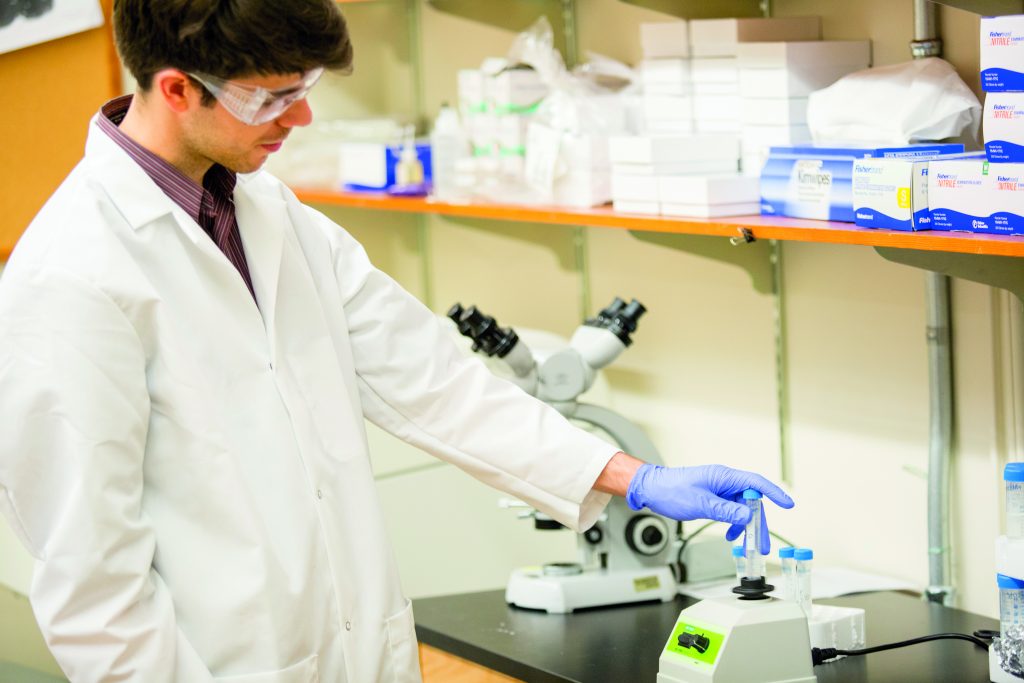
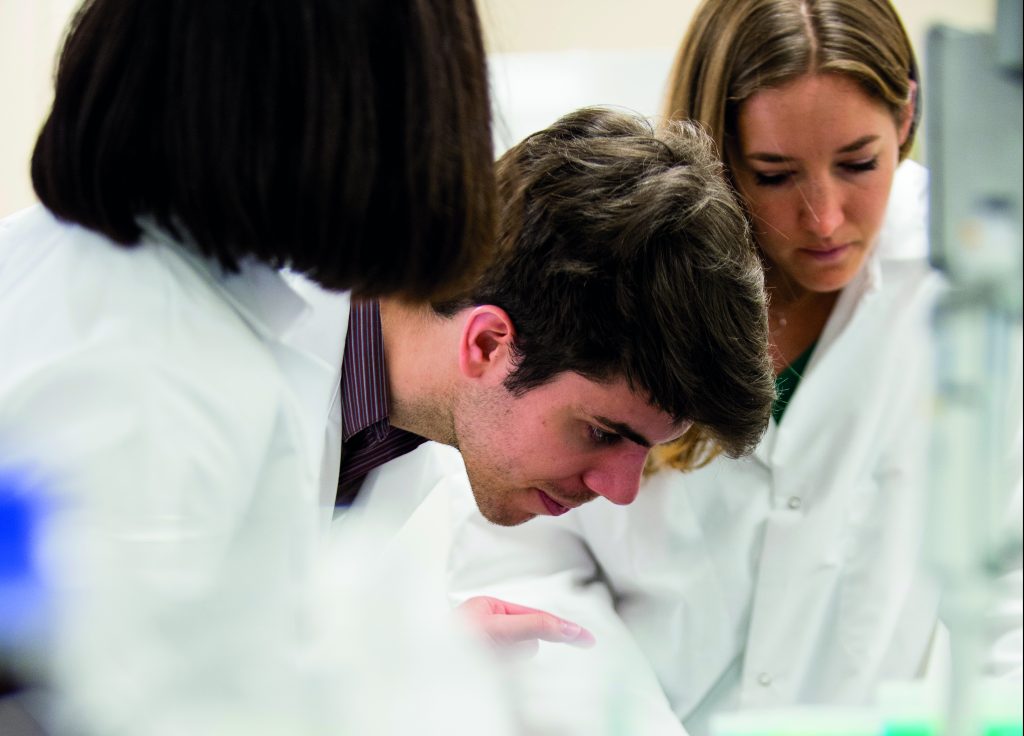
Dr Elizabeth Nance and her students in the Nance Lab at the University of Washington, USA, integrate a variety of tissue and animal models with imaging, molecular biology, and data science tools to understand changes in the brain in response to injury or disease. One of their main goals is to determine what changes in the brain might impact the ability of a drug to be effective at reaching its target site, and to use engineering to overcome the barriers which stop drugs being effectively delivered to the brain.
One way of enabling drugs to be more effective is through the use of nanotechnology, which involves objects that behave as a whole unit and have at least two dimensions less than 100 nm. The Nance Lab often works with nanoparticles that are spherical in shape and anywhere from 4 nm to 200 nm in size. To put this size scale into context, the thickness of a piece of paper is around 100,000 nm!
Given its small size, a nanoparticle has a relatively large surface area, particularly if it is porous in nature. This surface area, both on the outer surface of the particle and within the particle, provides ample space for a therapeutic agent, such as a drug, to be encapsulated or conjugated. By incorporating a drug into a nanoparticle, its solubility is increased, but it is also protected from degradation or clearance from the body. This allows the drug to circulate around the body for longer, which can improve the bioavailability and effectiveness of the drug.
A nanoparticle can also facilitate delivery into a target organ or target cell in a passive manner. For example, adjusting the size and molecular weight of the delivery system containing the drug will alter where in the body the nanoparticles accumulate, as well as the tissue that they are able access.
Nanoparticles can also act in an active manner; by putting specific molecules or surface coatings on a particle, it is more likely to interact with the corresponding receptor on the surface of a target cell or induce interactions with a specific type of cell.
Nanoparticles and Disease
So far, Dr Nance and her team have utilised a wide variety of nanoparticles, including polymer, quantum dot, and dendrimer-based platforms, and have studied their behaviour in the brain, as well as how their behaviour changes in the presence of ongoing injury or disease. However, translating nanotechnology from the laboratory stage to the point at which it can be used as a clinical treatment has proven difficult for the nanotechnology field.
Therefore, Dr Nance and colleagues suggest that a systems-level approach is essential. Dr Nance explains, ‘With a systems-level approach, there is great potential to leverage resources across the multiple fields working to understand and treat neurological diseases.’ This involves collecting information from the field which is associated with understanding brain diseases, and applying that information using technologies in a clinically relevant way. The physiological barriers to drug delivery in the brain must therefore be considered, along with the effects of disease on these barriers, and how nanoparticle technology interacts within the context of the disease in the brain.
Leading on from the hypothesis that tandem evaluation of the disease and the nanotechnology is crucial, Dr Nance’s team found that nanoparticles are very sensitive to the environment and, furthermore, that they behave differently even when small changes occur in this environment. For example, calcium, which is used in signalling pathways between nerve cells, can increase after injury when cells die and release their calcium stores, and this can cause nanoparticles to clump together and become immobilised. This clumping renders the nanoparticles incapable of delivering their therapeutic load. Alternatively, specific cells within the brain become more active due to inflammatory responses caused by disease. Due to their increased activity, these cells may respond to inflammation by readily taking up an increased number of nanoparticles, making them useful targets for drugs that could be used to treat the inflammation.
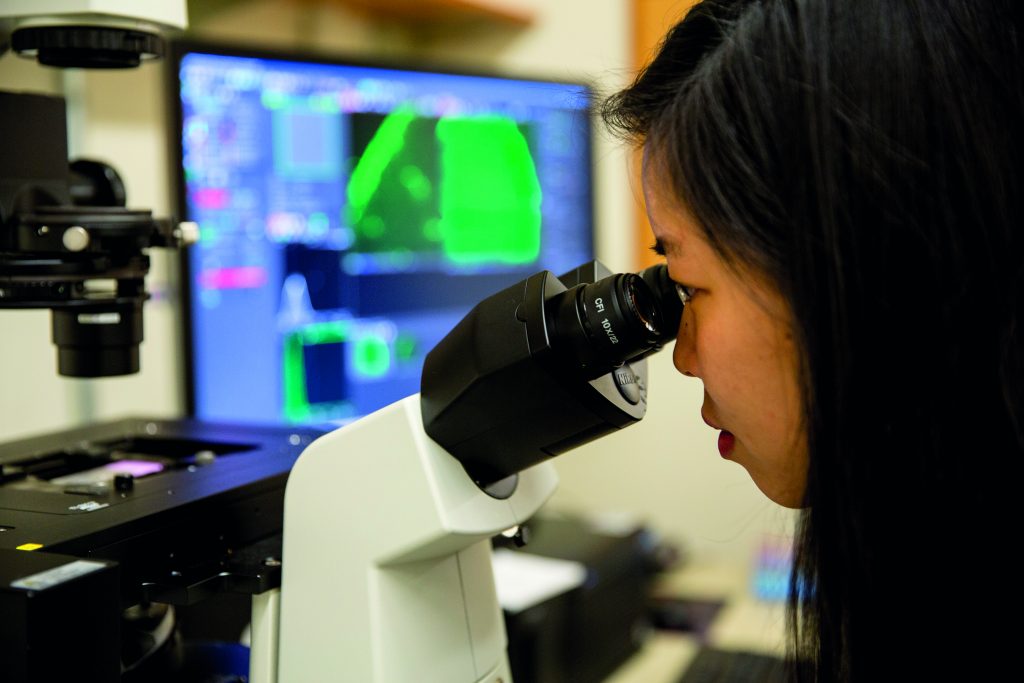
The Nance Lab has used observations such as these to design nanoparticle-based therapies that can successfully target specific regions and cells within the brain. These therapies have been tested in a variety of disease models which represent aspects of brain diseases that affect new-borns and children, including cerebral palsy, autism, Rett Syndrome, and neonatal brain injury.
Curcumin and Brain Injury in Infants
Hypoxic-ischaemic encephalopathy is a type of brain damage that occurs when an infant’s brain is starved of oxygen and blood flow around the time of birth. It causes permanent brain damage and is one of the top causes of disability-adjusted life years, but there is no known cure. Currently, therapeutic hypothermia is used to treat the disorder and has been shown to improve outcomes in infants starved of oxygen. However, there is still a high level (40–50%) risk of death or disability of those affected, and it is therefore crucial to develop more effective interventions to reduce morbidity and mortality.
One of the main contributing factors to hypoxic-ischemic encephalopathy is inflammation. Therefore, a therapeutic target aim to decrease the dangerous inflammatory responses in the brain. One example of a drug that has been studied in adults is curcumin. Curcumin is a dietary compound (the active component of turmeric) which has been suggested to have anti-inflammatory effects. Dr Nance hypothesised that packaging curcumin into nanoparticles 60 nm in diameter and made from a degradable polymer material consisting of repeat units of lactic and glycolic acid may allow effective drug delivery to the brain.
The group at the University of Washington tested this prediction using a rat model of hypoxic-ischemic encephalopathy. They discovered that the curcumin-containing nanoparticles were able to overcome the blood-brain-barrier, which is normally a significant challenge when targeting the brain as substances are unable to cross it. Nanoparticle uptake in the injured brain was observed within 24 hours of administration. They noted that the nanoparticles were localised in the regions of injury. They also reported protective effects of the therapy in the injured brain. Indeed, previous studies have shown that PEG can suppress detrimental free radical production following injury.
The next steps in using nanoparticles to treat brain injury in new-borns will be to evaluate the possible resolution of brain injury over an extended period of time, allowing the long-term impacts of the therapy to be investigated. Dr Nance has identified more promising drug candidates than curcumin, and hopes to explore the mechanism of action of these drugs in new-born brain injury, as well as optimise the dose required for neuroprotection. Her ultimate aim is to investigate the opportunities for the clinical translation of this work.
‘With a systems-level approach, there is great potential to leverage resources across the multiple fields working to understand and treat neurological diseases.’
Other Uses of Nanoparticle Technology
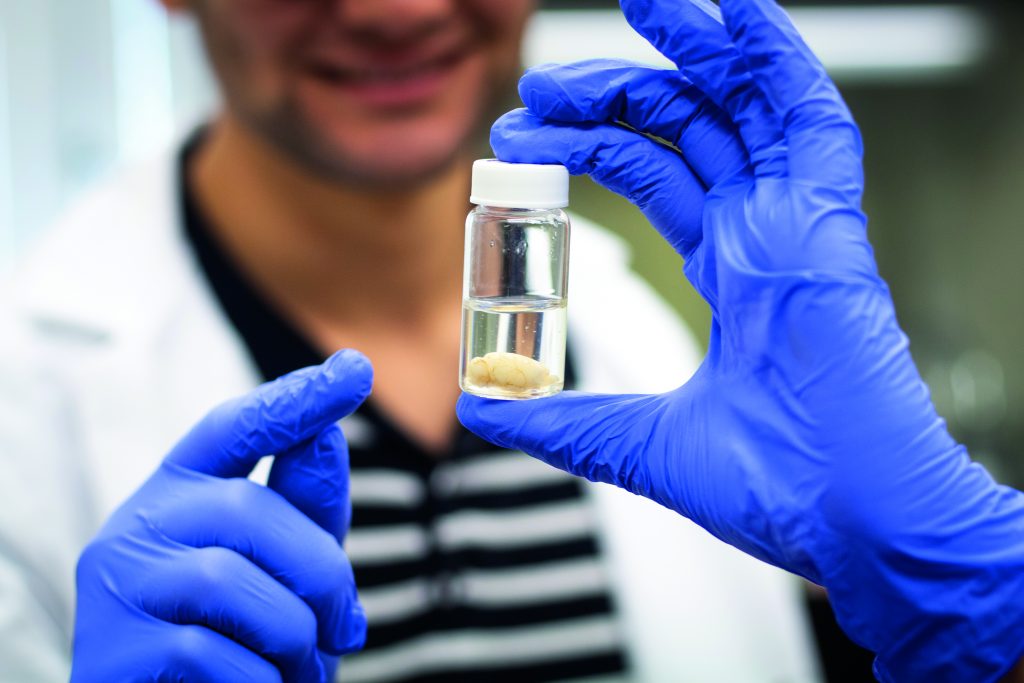
In addition to drug delivery, Dr Nance aims to harness the potential of nanoparticles in other ways. She believes that the diffusion of nanoparticles throughout the brain may present an opportunity to probe and model structural changes, which can be connected to functional aspects of the brain. The precise links between brain structure and function are still being explored, and the behaviour of nanoparticle probes, combined with biological data, could uncover important information about microscopic changes in the brain, that go awry in disease processes.
The project will use excised living brain tissue to validate the approach and to optimise computational and statistical analyses. Dr Nance will then move on to a detailed analysis of nanoparticle diffusion through different microstructures in the brain, for example by studying how nanoparticles behave in the ‘loosely’ associated proteins in the tissue space around all cells verses the ‘structured’ protein areas surrounding specific neurons that enable brain development. Eventually, nanoparticle diffusion data will be collected in diseased tissue and fed into machine learning algorithms with the goal to predict functional level outcomes based on diffusion data from different disease states.
‘One of our main goals is to determine what changes in the brain might impact the ability of a drug to be effective at reaching its target site, and engineering to overcome the barriers to effective therapeutic delivery.’
The Future of Nanoparticles
In consideration of future plans, Dr Nance notes ‘One of our main goals is to determine what changes in the brain might impact the ability of a drug to be effective at reaching its target site, and engineering to overcome the barriers to effective therapeutic delivery.’
The long-term goal of the Nance Lab is to transform the way researchers combine data from different fields, for example using machine learning and data science tools to mine advanced biological imaging data. Use of these techniques can also be extrapolated to other organs in the body, opening the door for potential novel therapeutic approaches. This systems-level approach must be dynamic and adaptable, to cope with new understanding and the evolution of the neuroscience and nanotechnology fields.
Finally, in addition to her significant research contributions to neuroscience and nanotechnology, Dr Nance has been working to improve the diversity of the scientific workforce. In 2016, she founded the organisation ‘Women in Chemical Engineering’ at the University of Washington, which now has an additional chapter at the University of Virginia, USA. This organisation wants to change the ways in which women in science, technology, engineering, and mathematics are perceived, and aims to pave the way for future generations of female scientists.
Reference
https://doi.org/10.33548/SCIENTIA383
Meet the researcher

Dr Elizabeth Nance
Department of Chemical Engineering
University of Washington
Seattle, WA
USA
Dr Elizabeth Nance obtained her PhD in Chemical and Biomolecular Engineering from John Hopkins University in 2012. She went on to complete a postdoctoral research position at John Hopkins School of Medicine before joining the University of Washington (UW) in 2015 as the Clare Boothe Luce Assistant Professor of Chemical Engineering, with an adjunct appointment in Radiology. In addition to an extensive list of publications and talks (including as a TEDx invited speaker), she was named the 2018 European Union Horizons 2020 Training Network Inspiring Young Scientist in Nanomedicine, a 2018 Young Innovator in Nanobiotechnology, and was named in the Forbes 30 under 30 in Science in 2015. Dr Nance’s research spans several disciplines including engineering, neuroscience, and translational medicine, but she is perhaps best known for her work on nanoparticle applications in the brain, and for founding the Women in Chemical Engineering organisation which aims to educate, empower, and advocate for women chemical engineers.
CONTACT
Instagram: @nance_lab
Facebook: @nancelab
KEY COLLABORATORS
Dr Sunny Juul, UW
Dr Gwenn Garden, UW
Dr Tommy Wood, UW
Dr Ariel Rokem, eScience Institute, UW
Professor David Beck, eScience Institute, UW
Professor Vince Holmberg, UW
Professor Jim Pfaendtner, UW
Dr Lucia Vojtek, UW
Dr Alessandro Grattoni, Institute for Nanomedicine, Houston Methodist
Nance Lab Members: Chad Curtis, Mike McKenna, Rick Liao, Andrea Joseph, Chris Nyambura, Mengying Zhang, Hawley Helmbrecht, Jeremy Filteau, David Shackelford
FUNDING
National Institute of General Medical Sciences (NIGMS)
National Science Foundation (NSF)
Burroughs Wellcome Fund
University of Washington
eScience Institute
Interdisciplinary Centre for Exposures, Diseases, Genomics and Environment (EDGE)
Seattle Foundation
FURTHER READING
C Curtis, D Toghani, B Wong, E Nance, Colloidal stability as a determinant of nanoparticle behavior in the brain, Colloids and Surfaces B: Biointerfaces, 2018, 170, 673–682.
A Joseph, T Wood, CC Chen, K Corry, JM Snyder, SE Juul, P Parikh, E Nance, Curcumin-loaded polymeric nanoparticles in neonatal rats with hypoxic-ischemic encephalopathy, Nano Research, 2018, 11, 5670–5688.
C Curtis, M Zhang, R Liao, T Wood, E Nance, Systems-level thinking for nanoparticle-mediated therapeutic delivery to neurological diseases, WIREs Nanomedicine and Nanobiotechnology, 2017, 9, e1422.


Creative Commons Licence
(CC BY 4.0)
This work is licensed under a Creative Commons Attribution 4.0 International License. 
What does this mean?
Share: You can copy and redistribute the material in any medium or format
Adapt: You can change, and build upon the material for any purpose, even commercially.
Credit: You must give appropriate credit, provide a link to the license, and indicate if changes were made.
More articles you may like

Dr Haydee Laza | Identifying Aphidresistance to Protect Future Crops
Insect pests, such as aphids, are capable of decimating crop yields, leading to severe economic loss. Some plants, however, have developed traits that make them resistant to such pests. Identifying these traits in plants, however, is not simple. Dr. Haydee Laza from Texas Tech University has worked with colleagues to identify several sorghum aphidresistant leaf structure traits in sorghums. These traits can be used as the basis for developing future screening methods for identifying aphid resistance in sorghums, subsequently protecting future crop yields.

Dr Rhett Martin | Governing Nature at the Edge of Collapse
For millions of men, ageing brings with it a set of frustrating and often disruptive urinary symptoms. These symptoms, caused by benign prostatic hyperplasia, or BPH, can affect sleep, confidence, and overall quality of life. Traditionally, treatment follows a familiar path. Patients begin with medications, often for years, and may eventually progress to surgery if symptoms worsen. Yet this pathway is not without its drawbacks. Medications can cause side effects, while surgery carries risks and recovery time. In recent years, a minimally invasive interventional radiology procedure called prostate artery embolisation, or PAE, has begun to challenge this traditional model. At the forefront of this shift is a collaborative research group, led by Dr. Nicholas Brown of the University of Queensland, whose series of P-EASY studies has explored whether PAE could transform how BPH is treated, particularly at earlier stages.

Assoc Prof. Nicholas Brown | Rethinking Prostate Care: A New Frontier in Treating Benign Prostatic Hyperplasia
For millions of men, ageing brings with it a set of frustrating and often disruptive urinary symptoms. These symptoms, caused by benign prostatic hyperplasia, or BPH, can affect sleep, confidence, and overall quality of life. Traditionally, treatment follows a familiar path. Patients begin with medications, often for years, and may eventually progress to surgery if symptoms worsen. Yet this pathway is not without its drawbacks. Medications can cause side effects, while surgery carries risks and recovery time. In recent years, a minimally invasive interventional radiology procedure called prostate artery embolisation, or PAE, has begun to challenge this traditional model. At the forefront of this shift is a collaborative research group, led by Dr. Nicholas Brown of the University of Queensland, whose series of P-EASY studies has explored whether PAE could transform how BPH is treated, particularly at earlier stages.

Jean Lycke | Addressing Unmet Medical Needs in Mucosal Disease: A Close-to-Market Innovation Approach
Recurrent Aphthous Stomatitis (RAS) is an oral condition characterized by one or several painful mucosal ulcers. RAS affects a large proportion of the population and has a point prevalence of approximately 2–3%, daily. The etiology remains unknown, and there is currently no curative treatment. Most patients experience recurring episodes over time, with each episode typically lasting up to a week. Here, we describe the development of a mucoadhesive patch which, when applied over a RAS ulcer, provides rapid pain relief. The patch is easy for patients to apply when symptoms begin and has the potential to be used as an over-the-counter product. The development of the Mucocort mucoadhesive patch is an example of a Close-to-Market innovation strategy that embraces simplicity within a complex healthcare system. By simplifying the product concept, the team has reduced the number of regulatory steps required before market approval. This MedTech/Pharma innovation model, known as the “4R” framework – Re-purposing, Re-formulation, Re-positioning, and Re-patenting – has guided the program from concept to commercialization. In addition to the biodegradable mucoadhesive patch developed for RAS ulcers, the team is extending the innovation concept to a mucoadhesive gel formulation for the prevention and treatment of chemotherapy-induced mucositis. This gel-based program is being commercialized separately through MucoShield.