
Medical & Health Sciences

Assoc Prof. Nicholas Brown | Rethinking Prostate Care: A New Frontier in Treating Benign Prostatic Hyperplasia
For millions of men, ageing brings with it a set of frustrating and often disruptive urinary symptoms. These symptoms, caused by benign prostatic hyperplasia, or BPH, can affect sleep, confidence, and overall quality of life. Traditionally, treatment follows a familiar path. Patients begin with medications, often for years, and may eventually progress to surgery if symptoms worsen. Yet this pathway is not without its drawbacks. Medications can cause side effects, while surgery carries risks and recovery time. In recent years, a minimally invasive interventional radiology procedure called prostate artery embolisation, or PAE, has begun to challenge this traditional model. At the forefront of this shift is a collaborative research group, led by Dr. Nicholas Brown of the University of Queensland, whose series of P-EASY studies has explored whether PAE could transform how BPH is treated, particularly at earlier stages.

Jean Lycke | Addressing Unmet Medical Needs in Mucosal Disease: A Close-to-Market Innovation Approach
Recurrent Aphthous Stomatitis (RAS) is an oral condition characterized by one or several painful mucosal ulcers. RAS affects a large proportion of the population and has a point prevalence of approximately 2–3%, daily. The etiology remains unknown, and there is currently no curative treatment. Most patients experience recurring episodes over time, with each episode typically lasting up to a week. Here, we describe the development of a mucoadhesive patch which, when applied over a RAS ulcer, provides rapid pain relief. The patch is easy for patients to apply when symptoms begin and has the potential to be used as an over-the-counter product. The development of the Mucocort mucoadhesive patch is an example of a Close-to-Market innovation strategy that embraces simplicity within a complex healthcare system. By simplifying the product concept, the team has reduced the number of regulatory steps required before market approval. This MedTech/Pharma innovation model, known as the “4R” framework – Re-purposing, Re-formulation, Re-positioning, and Re-patenting – has guided the program from concept to commercialization. In addition to the biodegradable mucoadhesive patch developed for RAS ulcers, the team is extending the innovation concept to a mucoadhesive gel formulation for the prevention and treatment of chemotherapy-induced mucositis. This gel-based program is being commercialized separately through MucoShield.
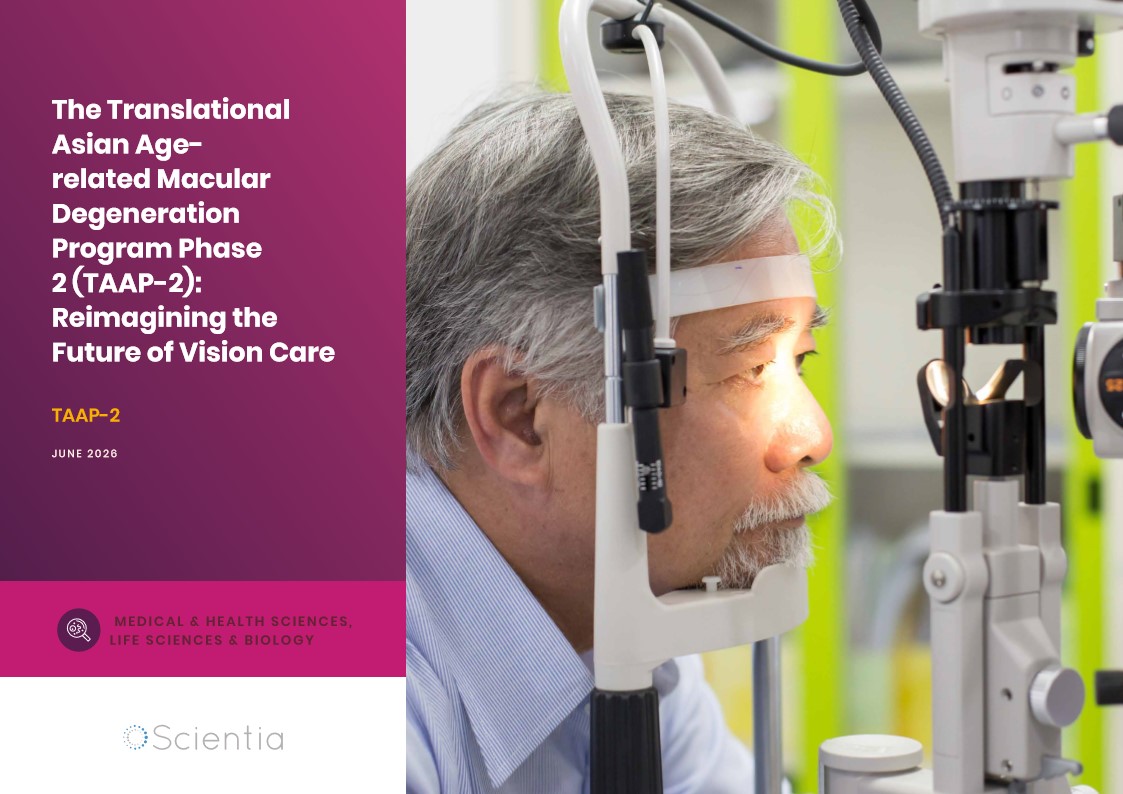
The Translational Asian Agerelated Macular Degeneration Program Phase 2 (TAAP-2): Reimagining the Future of Vision Care
Age-related macular degeneration, often abbreviated as AMD, is one of the leading causes of vision loss among older adults worldwide. In Asia, where populations are ageing rapidly, its impact is particularly profound. For many, the disease quietly erodes central vision, making everyday activities such as reading, driving, and recognising faces increasingly difficult. Against this backdrop, the Translational Asian Age-related Macular Degeneration Programme, or TAAP for short, has emerged as a bold and ambitious effort to confront the disease headon. Now in its second phase, TAAP-2 represents a significant evolution in both scientific scope and clinical ambition.
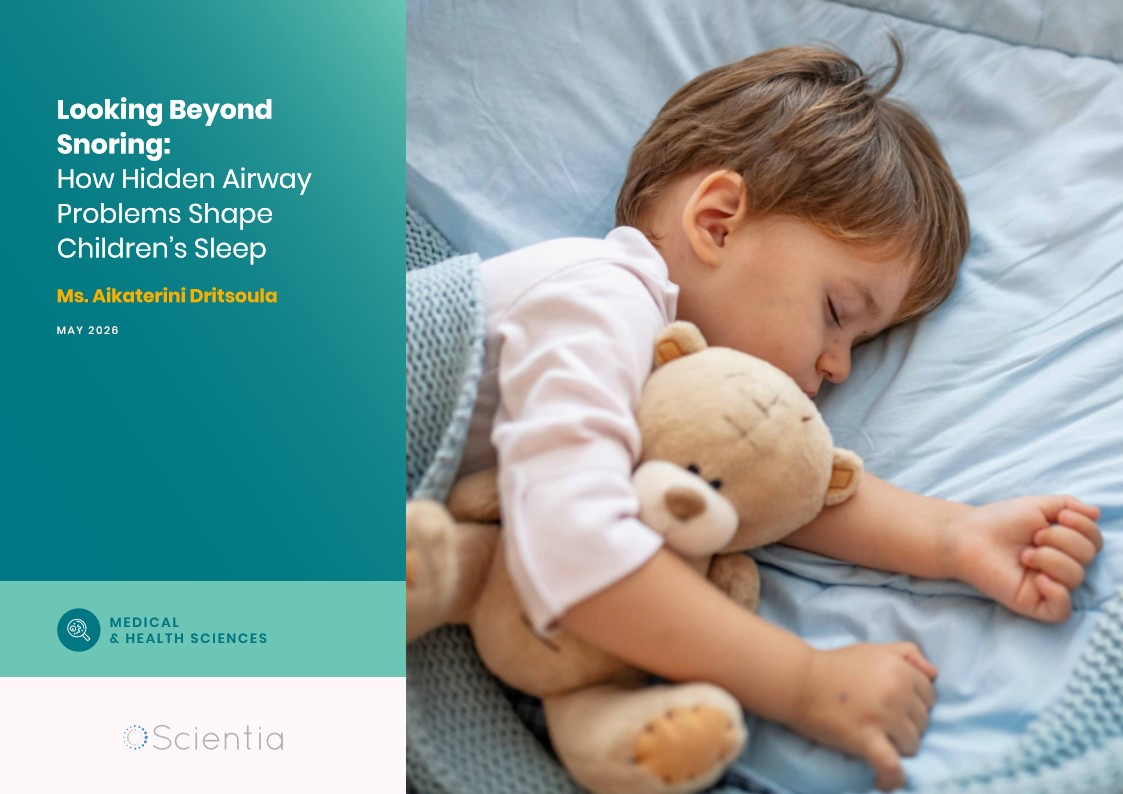
Ms. Aikaterini Dritsoula | Looking Beyond Snoring: How Hidden Airway Problems Shape Children’s Sleep
For many parents, a child’s snoring may seem harmless, even endearing. Yet in some cases, it signals something more serious. Obstructive sleep apnoea is a condition in which a child’s breathing is repeatedly disrupted during sleep. These interruptions can affect growth, behaviour, and learning. Children with this condition may toss and turn at night, struggle to concentrate during the day, or show signs of hyperactivity and fatigue. Traditionally, enlarged tonsils and adenoids have been seen as the main culprits. Surgery to remove them has long been considered the standard treatment. However, research led by Consultant ENT Surgeon Ms. Aikaterini Dritsoula of The Leeds Teaching Hospitals NHS Trust invites us to look deeper. Her work suggests that the story is often more complex, especially in very young children.
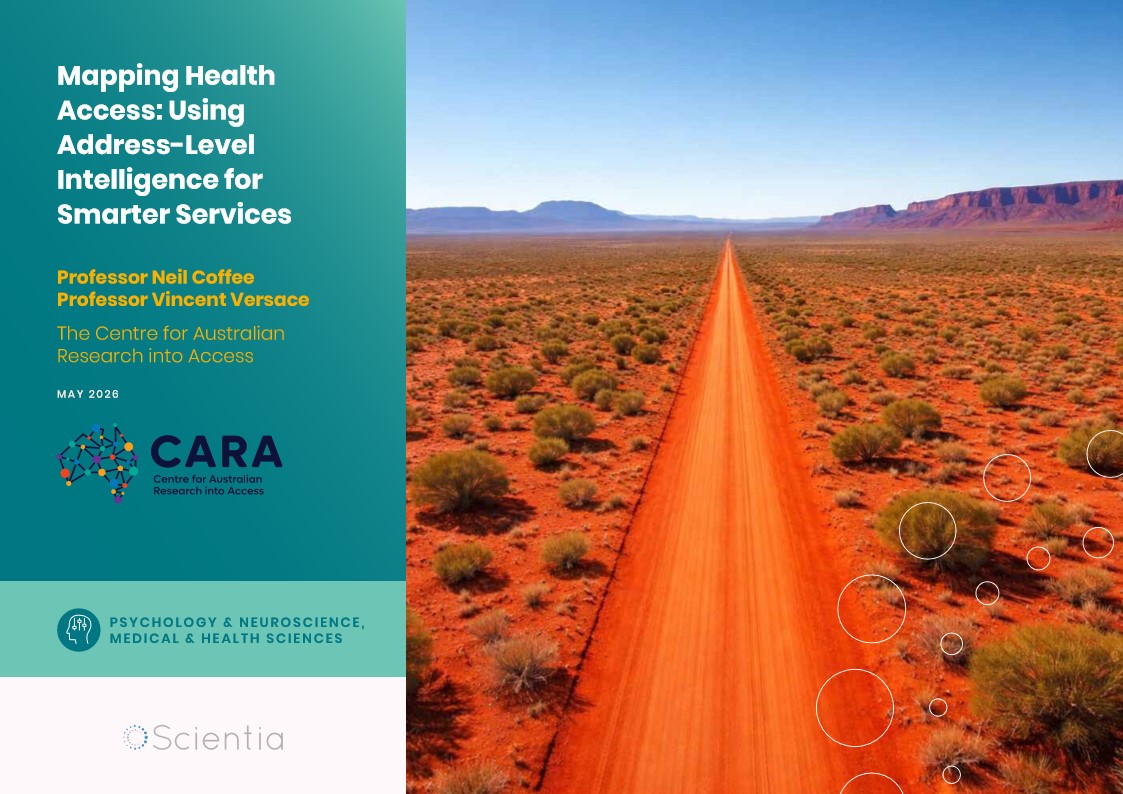
Professor Neil Coffee – Professor Vincent Versace | Mapping Health Access: Using Address-Level Intelligence for Smarter Services
Accessing healthcare is a serious challenge for people living in rural and remote Australia. Large distances, sparse populations, and limited services can prevent residents from receiving care when they need it. Professors Neil Coffee and Vincent Versace at Deakin University’s Centre for Australian Research into Access (CARA) are leading research to model healthcare service access across the country, to provide new insights that can guide health planning and policy, as well as other services such as education. This work combines the curation of detailed address level residential dwellings and road network data to calculate access to service metrics (time and distance). These metrics are applied to the simulated residential dwelling population, to quantify the population with poor access to health services.
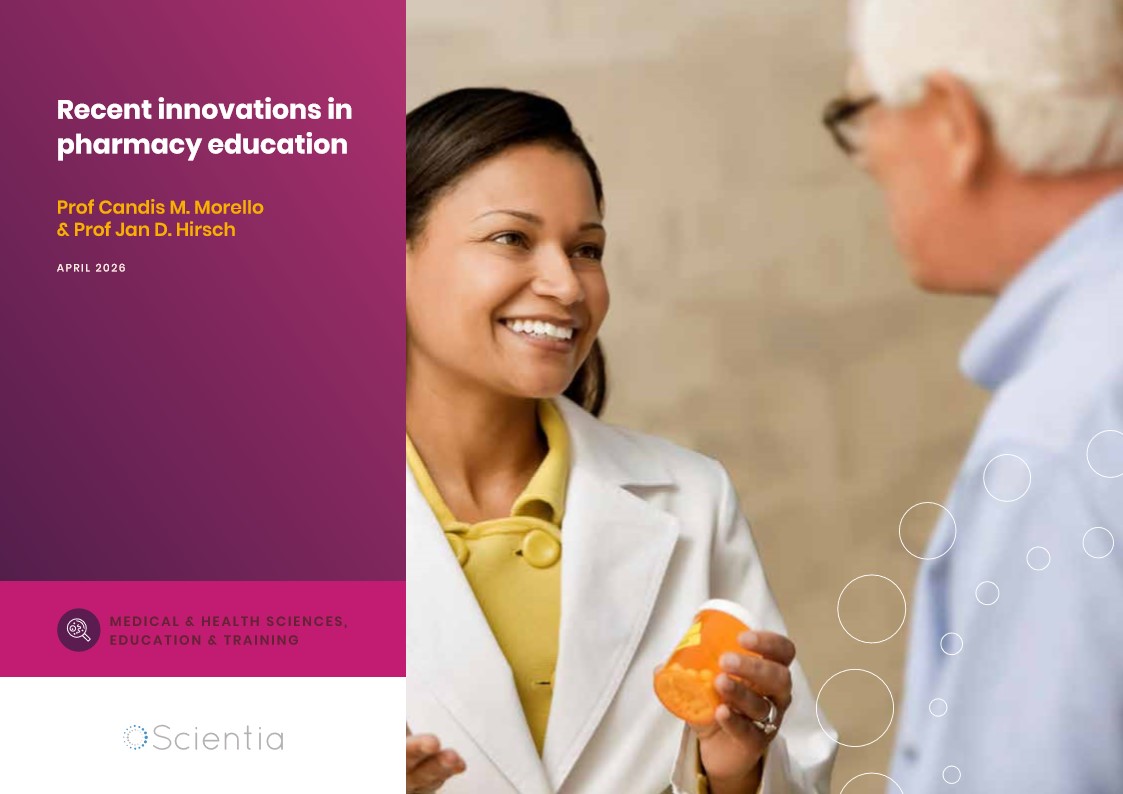
Prof Candis M. Morello – Prof Jan D. Hirsch | Recent innovations in pharmacy education
A pioneering research team from the Skaggs School of Pharmacy and Pharmaceutical Sciences, University of California, San Diego, United States, has been instrumental in developing innovative techniques for teaching pharmacy students. The Next Generation of Pharmacist Educators (NextGen-RxEd) programme is a new method of training the next generation of pharmacist educators and academics. To help pharmacists and pharmacy students visualise the complex issues experienced by their patients, the team led by Professors Candis Morello and Jan Hirsch developed an innovative educational tool, called the Medication Therapy Management (MTM) Spider Web.

Identifying Nutritional Risk in Early Childhood: Insights from NutriSTEP®
Early childhood is a critical period for growth and development, yet many young children face nutritionrelated risks that can go unnoticed. Professor Janis Randall Simpson and colleagues have developed NutriSTEP®, validated and reliable screening tools that help identify potential nutritional concerns in toddlers and preschoolers. Their large-scale analysis of Canadian data reveals patterns in diet, behaviour, and food access that could help guide early interventions and support healthy development.
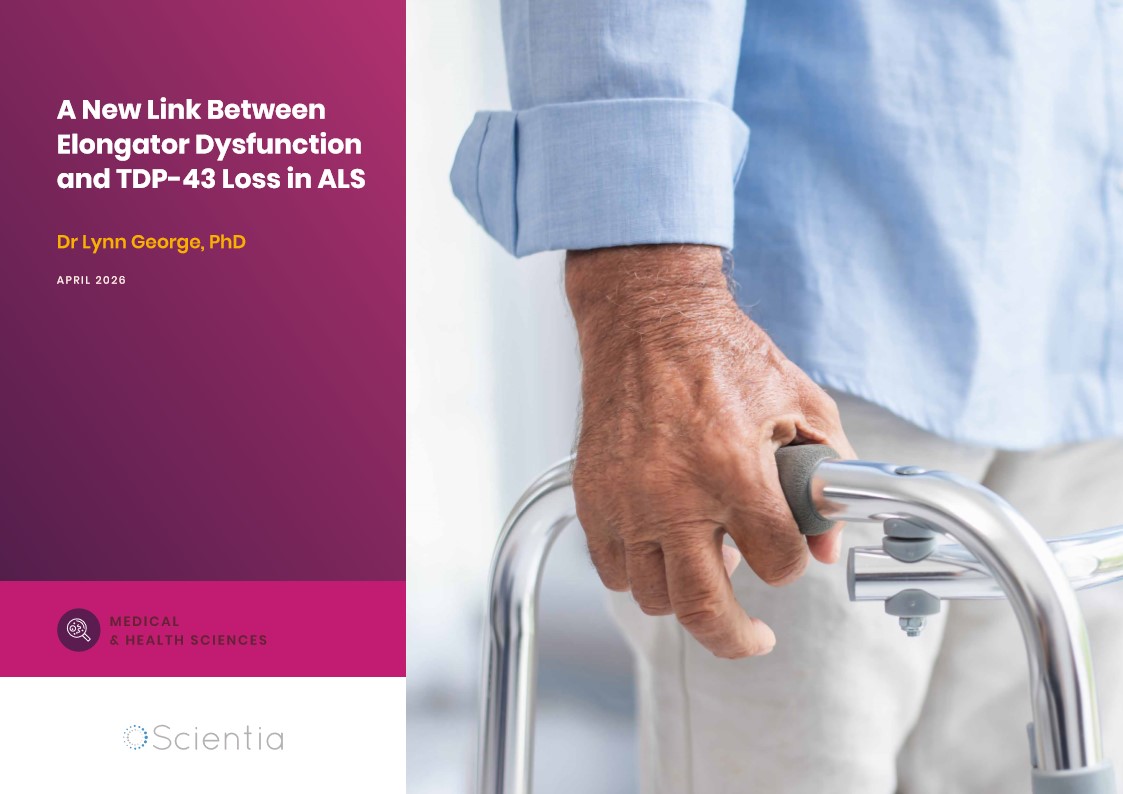
Dr Lynn George | A New Link Between Elongator Dysfunction and TDP-43 Loss in ALS
At Montana State University Billings, Dr Lynn George and her team are investigating the cellular mechanisms underlying amyotrophic lateral sclerosis (ALS). Using a new mouse model, their research reveals that disruption of the Elongator complex leads to nucleolar stress and the loss of the protein TDP-43 from motor neurons. These findings connect two major hallmarks of ALS and offer new insight into how the disease develops.

Jella van de Laak | Could Tumour- Targeting Bacteria Enhance Cancer Immunotherapy?
Cancer immunotherapy has transformed treatment outcomes, yet many patients still fail to respond. At Maastricht University, Jella van de Laak, working with Professor Ludwig Dubois and Professor Jan Theys, is exploring how tumour-targeting bacteria could improve immune responses and expand treatment success.

Dr Hatim Hassan | Proteins identified in gut bacteria that reduce oxalate levels
New research has identified proteins from gut bacteria, called Sel1-like proteins, that have the potential to help the body get rid of excess oxalate, an organic substance linked to kidney stones, kidney disease, and other health problems. Sel1-like proteins help the cell in assembling large molecular complexes important for cell function. Dr Hatim Hassan from the Division of Nephrology and Hypertension, Mayo Clinic, Rochester, Minnesota, United States, is part of a team of scientists researching whether these proteins and their derived peptides could reduce blood and urinary oxalate levels to prevent and/ or treat hyperoxalemia (high blood oxalate), hyperoxaluria (high urine oxalate) and related disorders (including kidney stones).
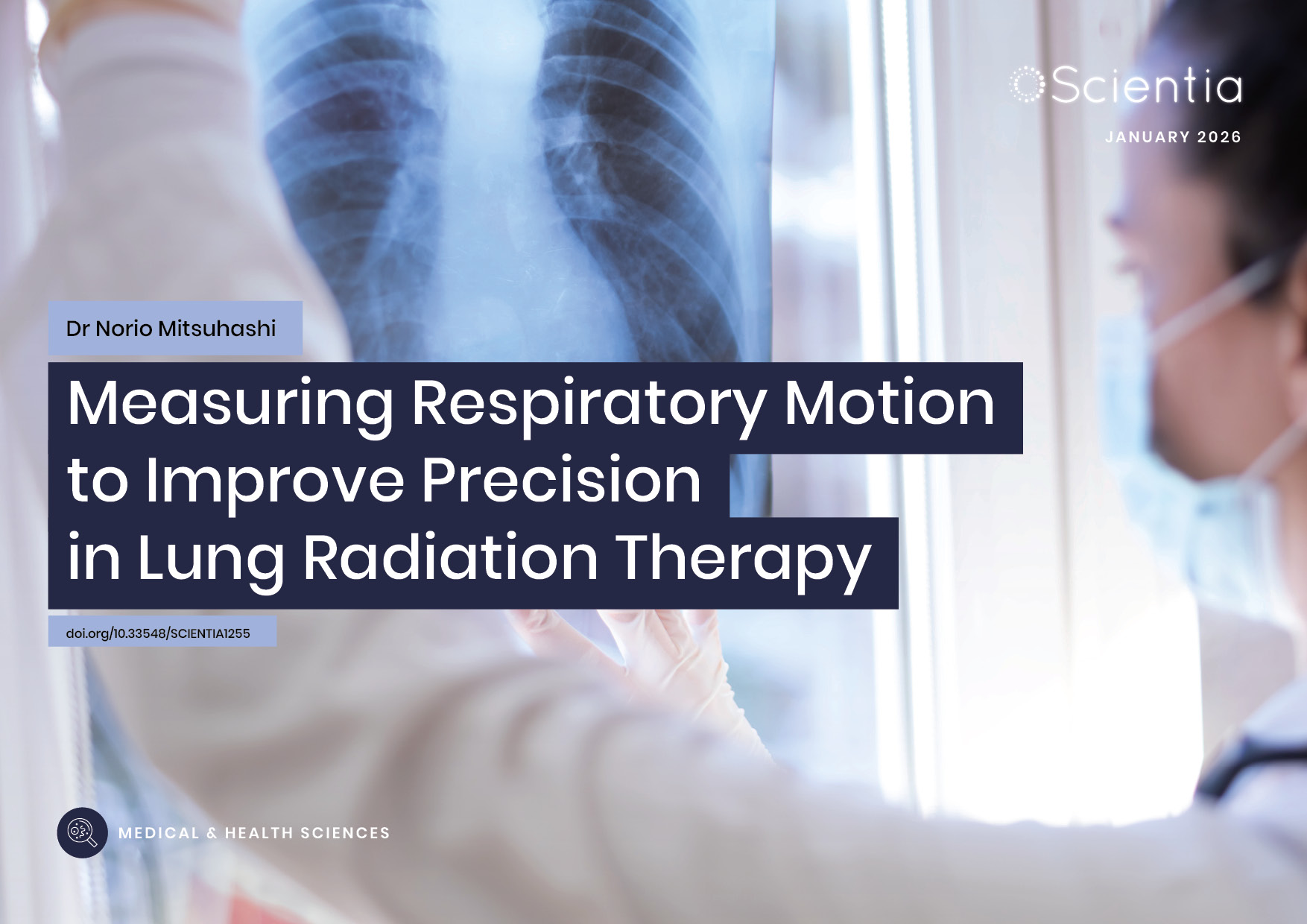
Dr Norio Mitsuhashi | Measuring Respiratory Motion to Improve Precision in Lung Radiation Therapy
Dr Norio Mitsuhashi, former Professor of the Department of Radiation Oncology at Tokyo Women’s Medical University, leads revolutionary clinical research into optimising stereotactic body radiation therapy for lung cancer. Dr Mitsuhashi and his colleagues examine whether routinely available patient and tumour characteristics can predict respiratory tumour motion, a critical source of uncertainty in high precision radiotherapy. Their findings suggest that respiratory motion cannot be reliably inferred, and must instead be measured directly in every patient.

Professor Terry C. Hrubec | Clean is good – but is too clean better?
Quaternary ammonium compounds are a large class of compounds used as disinfectants in hospitals, restaurants, healthcare and animal care facilities, and are popular as household cleaners. With disease outbreaks increasing our fears about infections, the use of disinfectants has skyrocketed in recent years. Understandably, we all want to feel safe. However, as Professor Terry Hrubec from the Department of Biomedical Sciences of E. Via College of Osteopathic Medicine discovered, such products may be causing more harm than good.
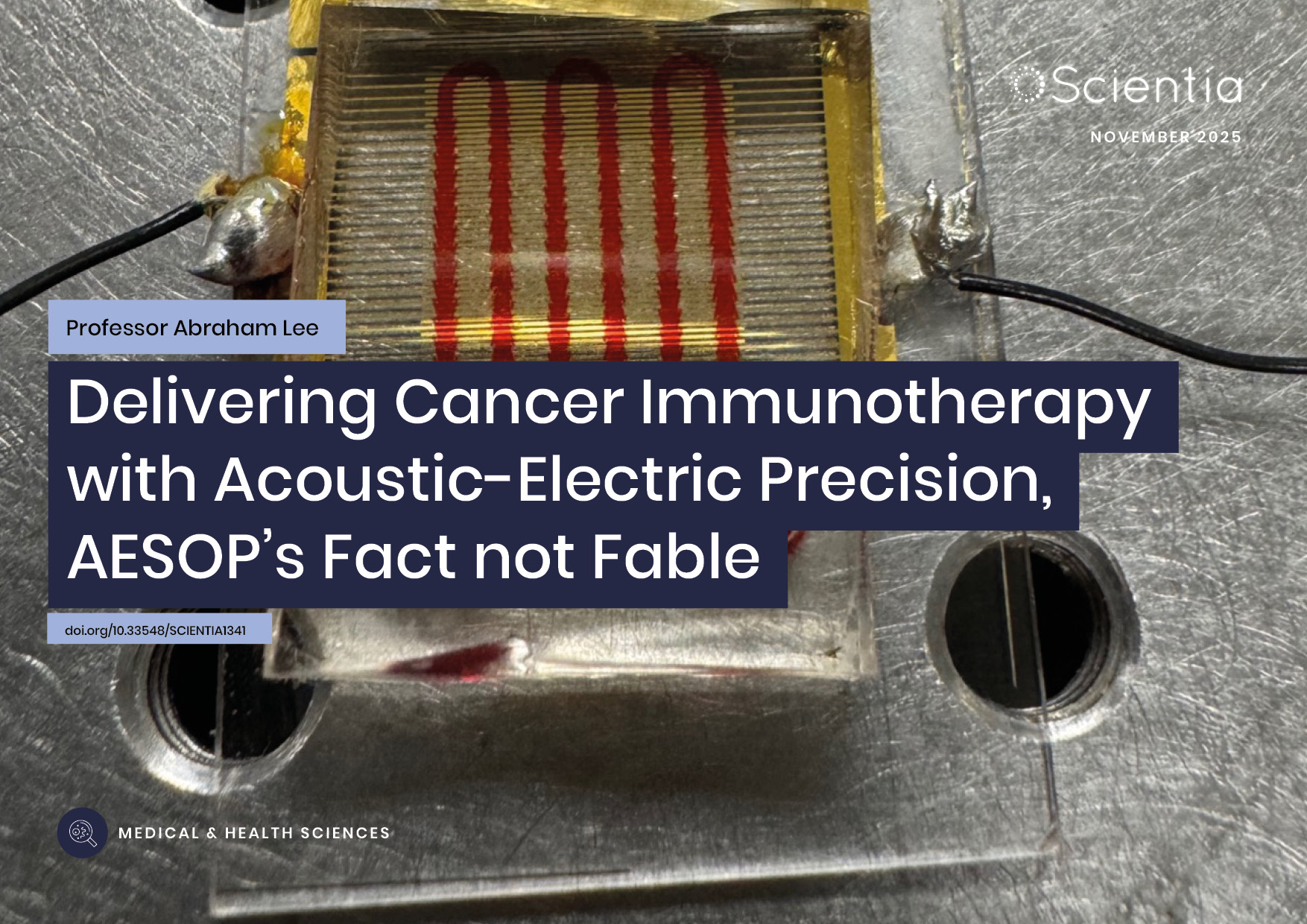
Professor Abraham P. Lee | Delivering Cancer Immunotherapy with Acoustic-Electric Precision, AESOP’s Fact not Fable
Chimeric Antigen Receptor (CAR) T-cell therapy offers life-saving potential, particularly against blood cancers, but severe side effects such as cytokine release syndrome (CRS) limit its safety. These toxicities are linked to uncontrolled CAR expression levels on the T-cell surface. Led by Professor Abraham P. Lee, researchers at the University of California, Irvine, have developed an advanced microfluidic system, called the Acoustic-Electric Shear Orbiting Poration (AESOP) platform, to precisely control the dose of genetic material delivered into primary T cells. This innovation promises safer, more homogeneous, and highly effective cellular immunotherapies.

Dr Ray Stewart | Barriers to Dental Care for People with Special Needs: A Crisis of Neglect and Inaction
For people with special healthcare needs, something as basic as visiting a dentist can be nearly impossible. A ground-breaking paper by researchers at the University of California, San Francisco (UCSF) exposes the scale of this crisis. By outlining potential paths forward, Dr Ray Stewart and Dr Ben Meisel offer hope for significant improvements in access to essential dental care.
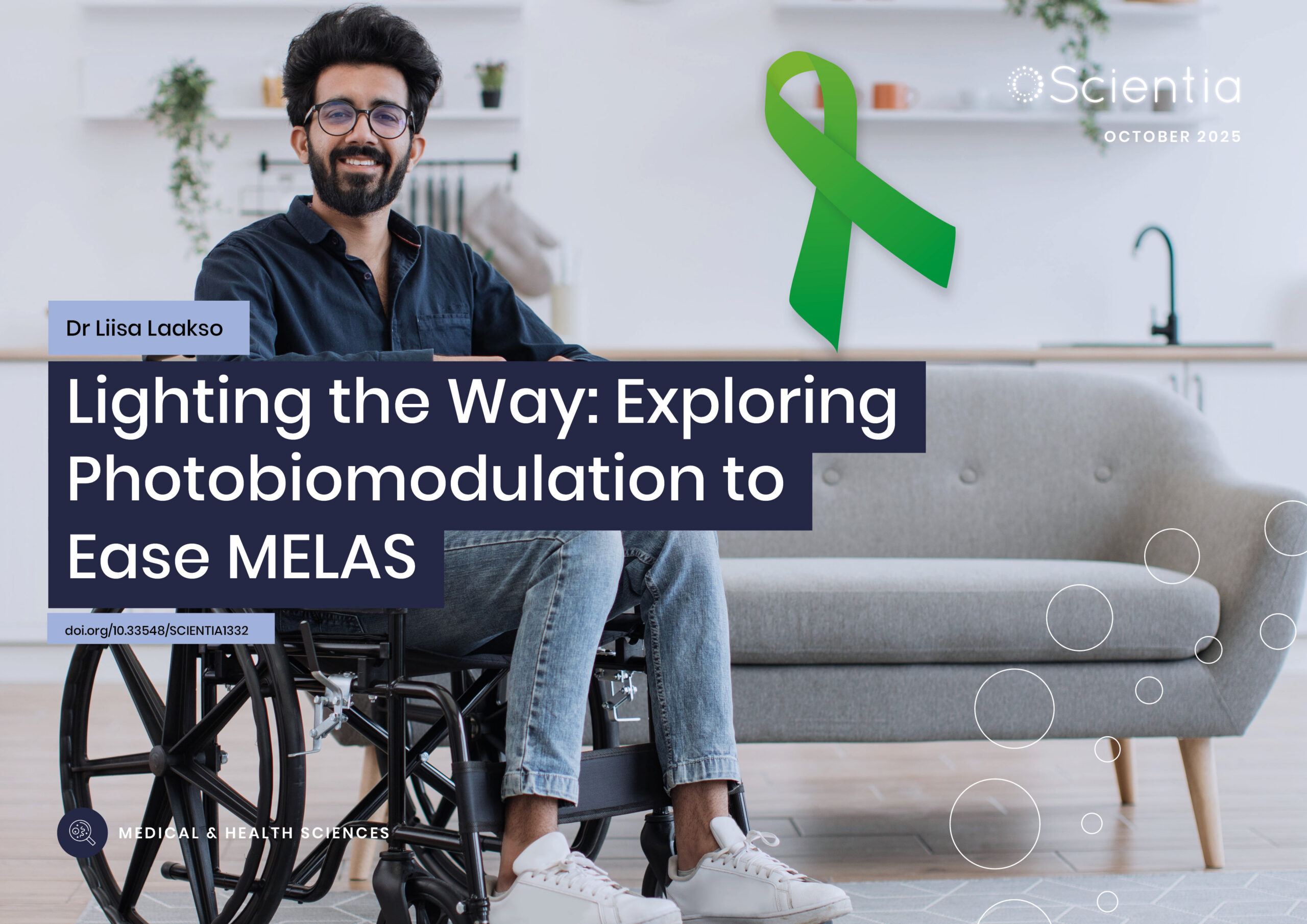
Dr Liisa Laakso | Lighting the Way: Exploring Photobiomodulation to Ease MELAS
MELAS is a rare and serious genetic condition that affects how the body’s cells produce energy, leading to extreme fatigue, muscle weakness, and a range of other symptoms. With no cure currently available, treatment focuses only on managing complications.
A team of researchers led by Dr Liisa Laakso at the Mater Research Institute-University of Queensland, Australia, is exploring an innovative, non-drug therapy called photobiomodulation, which uses light to stimulate mitochondria to work more efficiently. This pioneering study will provide intial evidence on whether PBM can safely reduce fatigue and improve quality of life for people living with MELAS, paving the way for future clinical trials.

Professor John Paul Pezacki, PhD, FRSC (UK) | Engineering Proteins for the Prevention of Disease Progression
The way in which viruses invade and replicate within their hosts involves a multilayered system of protein-based interactions, and understanding the mechanisms at play is crucial when developing potential treatments. Utilising new techniques such as genetic code expansion, Professor John Paul Pezacki and his team of researchers at the University of Ottawa in Canada have designed a novel, highly specific artificial protein complex which can halt the progression of viral infections in human cells. They have identified and described a novel approach to wider preventative and restorative therapeutics in human disease.
Professor Rebecca States | Better Balance with Exercise: Choices for Parkinson’s
Parkinson’s disease is the most rapidly growing neurological disease worldwide. At present, there are no treatments that can prevent or reverse the damage caused by this disease. Therefore, there is a demand for therapies that ease and manage symptoms. Professor Rebecca States of Hofstra University collaborated with colleagues from Long Island University to evaluate the effects of exercise on the balance and postural control of individuals with Parkinson’s disease. The outcomes shed light on how exercise should be used for healthcare practitioners and researchers working with Parkinson’s disease.

Dr Peter Kim | Can collagen production be re-programmed in ageing skin?
Scientists have a growing body of data that could bring them a step closer to being able to ‘instruct’ skin collagen to resist the effects of ageing, according to a review of the latest research undertaken by Dr Peter Kim, biochemist and founder of private tuition company Veribera.

Forkfuls of Clarity: The Lean Protein Prescription
New research led by Dr Nathaniel R. Johnson of UND and his mentors at NDSU, Drs Julie Garden-Robinson and Sherri Stastny, reveals a strong link between protein type and mental health in older adults. Analysing data from 637 North Dakotans aged 50+, the study found that self-reported average meal patterns that included lean proteins, like chicken, fish, eggs, and legumes, were associated with fewer days of depression and anxiety. In contrast, processed meats such as bacon and deli slices correlated with increased mental distress, especially in rural communities. These findings suggest that protein quality may significantly influence emotional well-being in later life, offering a simple, everyday strategy to support mental health, one nourishing meal at a time.
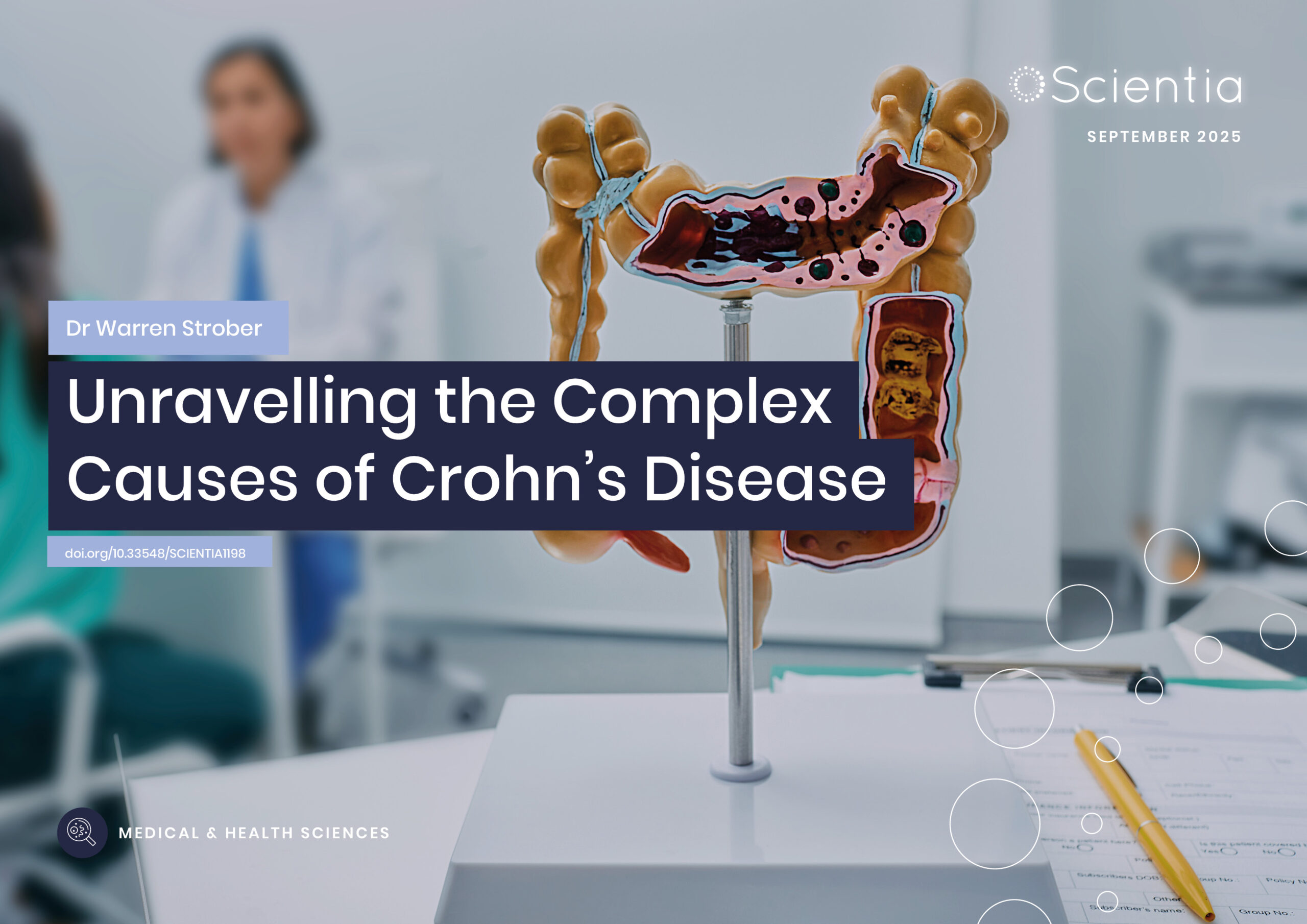
Dr Warren Strober | Unravelling the Complex Causes of Crohn’s Disease
Crohn’s Disease (CD) is a type of inflammatory bowel disease that is due to abnormalities of the gastrointestinal (GI) immune system that result in immunologic hyper-responsiveness to normal GI constituents. It causes severe and recurrent GI symptoms that can be managed but not cured, except in rare cases where histocompatible bone marrow transplantation can be applied to replace the errant immune system.
Dr Warren Strober from the National Institutes of Health (NIH) in the USA, specialises in the study of the GI immune system, both when it operates normally to maintain homeostasis, as well as when it operates abnormally causing health issues such as CD.

Professor Antonio Bertoletti | The Perfect Storm: How Breakthrough virus Infections Create Superior Nasal Immunity
The nasal cavity serves as the primary entry point for SARS-CoV-2 and other respiratoy viruses, making it a critical frontline for immune defence. Professor Antonio Bertoletti from Duke-NUS Medical School in Singapore has been investigating how our immune systems respond to SARS-CoV-2 infection and vaccination. His groundbreaking research reveals that individuals who experience breakthrough SARS-CoV-2 infections after vaccination develop a uniquely robust ‘hybrid immunity’ in their nasal passages. This work provides crucial insights into developing more effective vaccines and enhances our understanding of why some people may be better protected against future infections than others.
Developments in the mathematics of fractional calculus and special functions then helped to facilitate extensive studies of space and our solar system. Over the last 30 years, under the umbrella of the United Nations, space science has boomed, with 7 new centres set up across the globe and over 20 dedicated workshops arranged. A new generation is being trained to tackle the mysteries and challenges presented to us by outer space.

Elevating Histology: Rethinking Clinical Laboratory Regulations for Modern Diagnostic Demands
Histology is the science dealing with the structure and analysis of cells and their formation into tissues and organs. The profession is responsible for the preparation of all pathological tissue samples removed and collected from the human body for the microscopic detection of tissue abnormalities for disease diagnosis and treatment. Despite advances in immunohistochemistry, molecular diagnostics, and digital pathology, the US Clinical Laboratory Improvements Amendments (CLIA) regulations from 1988 have not evolved to reflect histology’s scientific demands, including performing complex diagnostic tasks essential to patient care. Elizabeth Chlipala from Premier Laboratory (LLC), Longmont, Colorado and colleagues argue for a national certification requirement and regulatory oversight for histologists. Citing current problems including quality issues, workforce shortages, and the need for standardized practices, these experts argue that recognizing histologists under CLIA would elevate the profession, ensure competency, and improve patient outcomes, challenging the current position of the College of American Pathologists.

Dr Masumi Kamiyama | Using Natural Compounds from Soy to Protect Kidneys from Damage in Diabetes
Dr Masumi Kamiyama, Associate Professor at Jumonji University, Saitama, Japan, leads research into the early detection and prevention of diabetic nephropathy, which is kidney damage caused from long-term high blood sugar that makes it harder for the kidneys to filter waste, and can potentially lead to kidney failure. Dr Kamiyama and colleagues are exploring the role of a protein called angiotensinogen (AGT) as an early biomarker of kidney damage. The team studies the potential of plant-based antioxidants, called isoflavones, to slow or halt kidney damage from highly reactive molecules, such as oxygen free radicals. Ongoing research by Professor Han Lamers (University of Oslo) and Professor Bettina Reitz-Joosse (University of Groningen) reveals how Fascist Italy weaponized ancient Rome’s language to legitimise its power and connect Mussolini’s regime to Italy’s imperial past. Their projects involve collaboration with an international team of mostly junior researchers based in Norway, the Netherlands, Austria, and Italy.

Dr JoLee Sasakamoose – Dr Mamata Pandey | Empowering Indigenous Health: The Indigenous Wellness Research Collaborative in Saskatchewan
The Indigenous Wellness Research Collaborative is a transformative alliance dedicated to advancing health systems and service delivery for Indigenous communities across Saskatchewan. Founded a decade ago and co-led by Dr Mamata Pandey, a research scientist at the Saskatchewan Health Authority, and Dr JoLee Sasakamoose (M’Chigeeng First Nation), Canadian Institute of Health Research Chair in Indigenous Wellness and Health Equity at the University of Regina, their team’s work is rooted in a commitment to Indigenous leadership and community-defined wellness goals. Guided by the Cultural Responsiveness Framework, the Collaborative prioritises creating ethical spaces that serve as a middle ground for respect, reciprocity, and authentic partnerships. The team employs a strengths-based approach to health research, centering Indigenous methodologies that respect the interconnectedness of spiritual, mental, emotional, and physical well-being.

Professor Jaya Krishnan | Revolutionary Gene Therapy Helps Hearts Regenerate After Heart Attacks
Myocardial infarction, commonly termed as a heart attack, is a major cause of death and poor health worldwide. Regenerating heart tissue is an exciting and promising concept that can have significant benefits in myocardial infarctions and related diseases, but this has not yet been achieved in real-life clinical treatments. In a collaboration between Goethe University Frankfurt and Goethe University Hospital, Professor Jaya Krishnan and colleagues address this by controlling pathologic genes involved in the development of heart failure that develops after heart attacks. The researchers demonstrate a new way of treating heart disease by aiding in the division and regrowth of heart cells after a heart attack.

James J. Driscoll, MD, PhD | Immunoproteasome Activation Enhances the Recognition of Tumour Cells and Boosts Anticancer Immune Responses
The correct functioning of the human immune system depends on its ability to recognise danger, such as tumour cells, viruses, and bacteria. Scientists are learning how immunoproteasome activation can overcome the mechanisms by which cancer cells escape immune responses. Immunoproteasomes are small high molecular weight protein-degrading machines that signpost abnormal proteins made by cancer cells, directing the immune system against them. Dr James Driscoll at University Hospitals Cleveland Medical Center is using novel proprietary small molecules to selectively boost the catalytic activity of immunoproteasomes, which increases the tumour killing (or cytotoxic) effect of a group of white cells called T-cells. These findings provide a strong rationale for developing personalised therapeutics that target immunoproteasomes, for cancer and other immune-mediated conditions.
New Approaches to Treating Alzheimer’s Disease
Alzheimer’s disease is a devastating condition that strips away people’s memory, thinking, and independence. By 2050, it is expected to affect over 100 million people around the world, making it a high priority for scientific and medical research. Researchers are now exploring the potential for mechanical and light-based stimulation of the brain and nervous system to treat Alzheimer’s disease symptoms. At the University of Minho in Portugal, Francisca Monteiro is developing a PhD project supervised by a multidisciplinary set of experienced researchers, who have reviewed the evidence behind these approaches, including whole-body vibration, auditory stimulation, transcranial ultrasound stimulation, and photobiomodulation. The team aims to synthesize the evidence to support these treatments and understand what further work is needed.
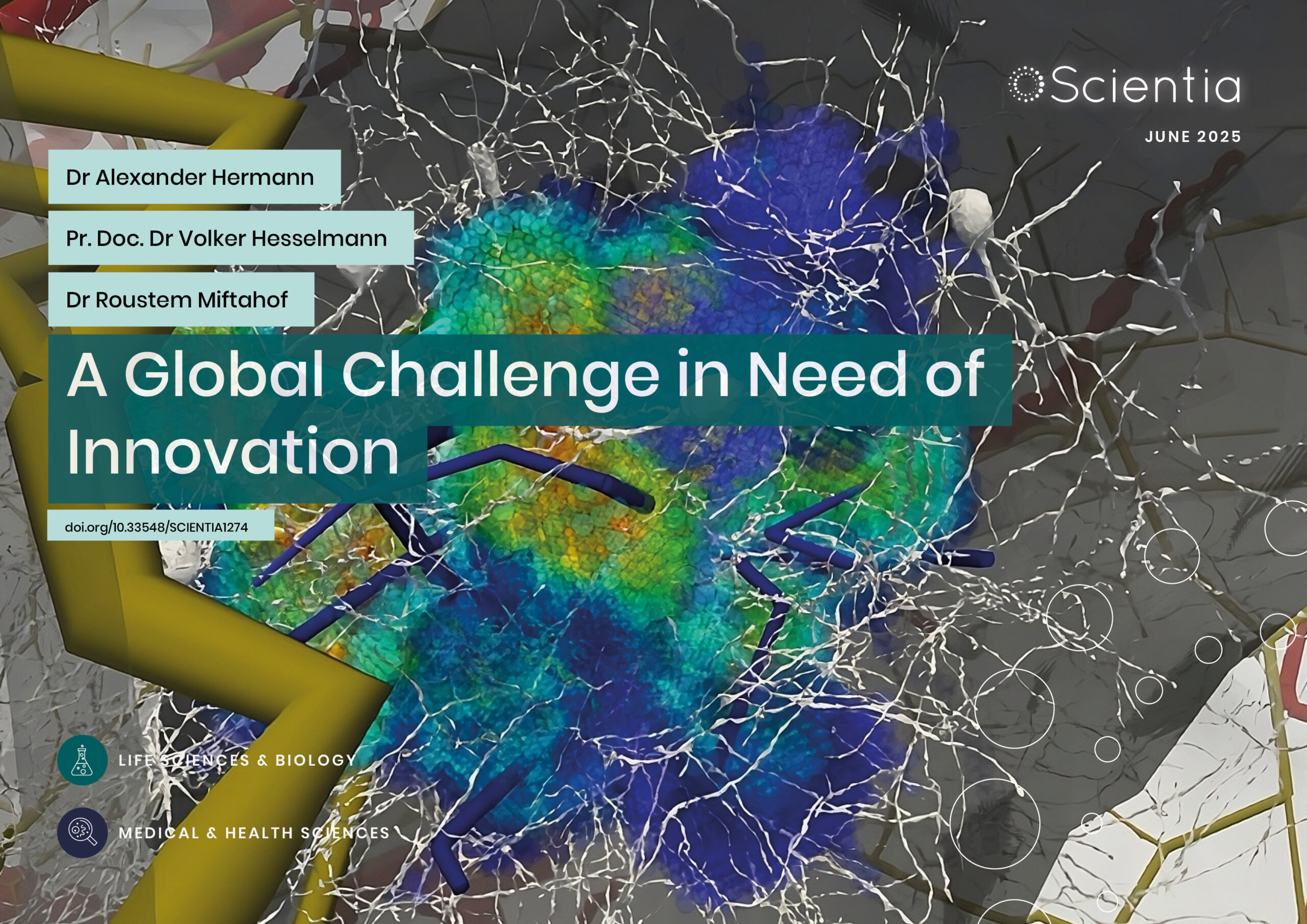
Stroke: A Global Challenge in Need of Innovation
Stroke is the third leading cause of both death and disability worldwide, but unfortunately, current diagnostic tools are unsatisfactory. Dr Roustem Miftahof and Dr Alexander Hermann at Advanced Biosimulation Technologies LLC, USA, are overcoming the limitations of existing diagnostic tools with the development of the Neuro-Glia-Vascular Unit Engine. This transformative tool for clinicians and biomedical researchers provides patient-specific health insights with the potential to improve care not only in stroke but across a range of neurological disorders.
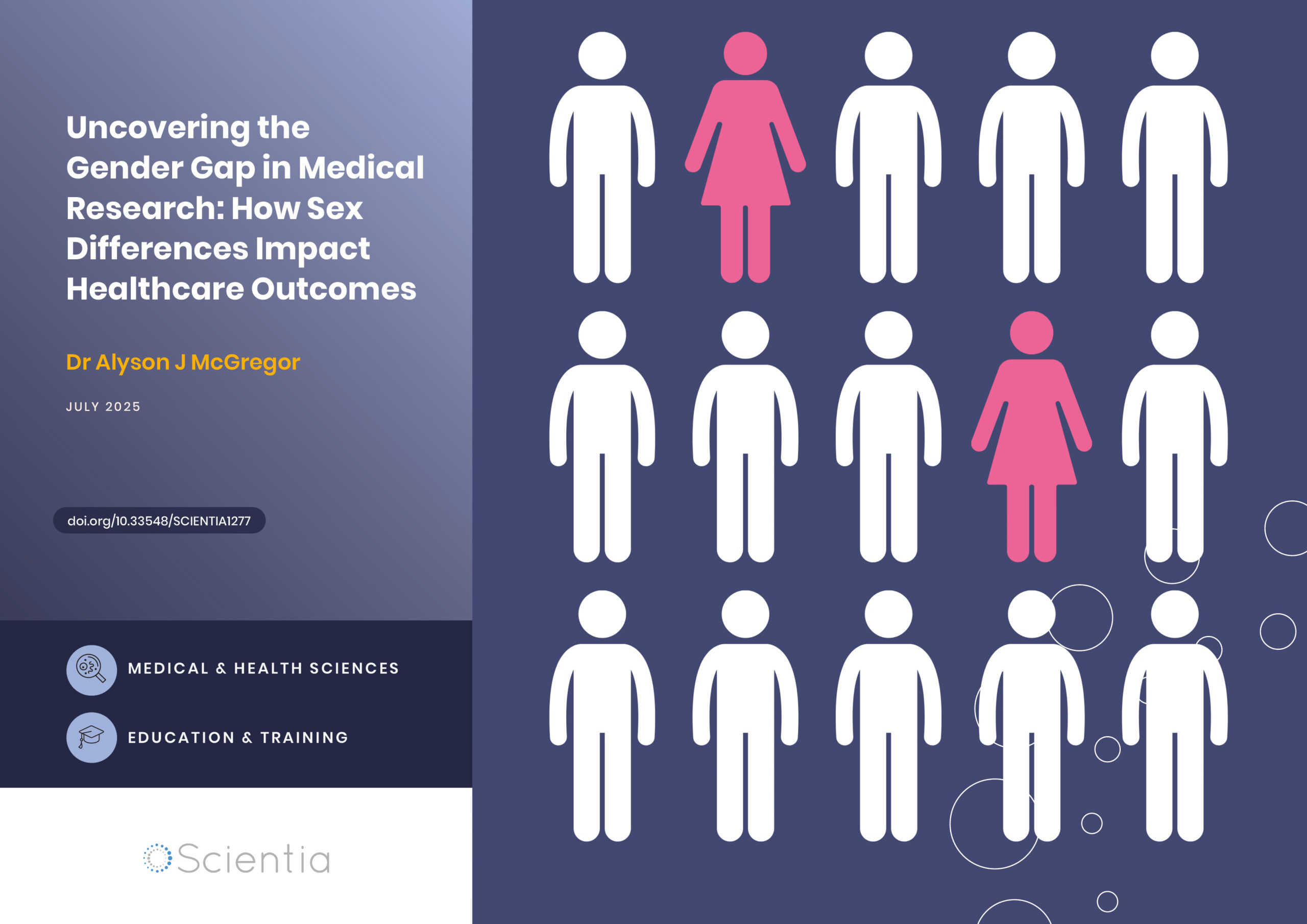
Dr Alyson J McGregor | Uncovering the Gender Gap in Medical Research: How Sex Differences Impact Healthcare Outcomes
Medical research has historically focused predominantly on male subjects, leading to dangerous gaps in our understanding of how diseases and treatments affect women. Dr Alyson McGregor from University of South Carolina School of Medicine Greenville has devoted her career to addressing this critical issue, highlighting how biological sex differences impact health outcomes. Her work demonstrates that ignoring these differences can have life-threatening consequences and advocates for more inclusive research practices to ensure safe and effective healthcare for everyone.

How Food Environments Shape Our Eating Habits
How we eat dramatically impacts our health, yet millions of Americans live in ‘food deserts’ – areas with limited access to fresh, nutritious food. Recent research reveals that solving this crisis requires looking beyond just physical access to food to understand how our entire community environment shapes our dietary choices. Through a series of pioneering studies, Dr Terrence Thomas and colleagues at North Carolina A&T State University have been investigating how different aspects of our food environment influence what we put on our plates. Their findings suggest that creating lasting change requires reimagining how communities engage with food at every level.
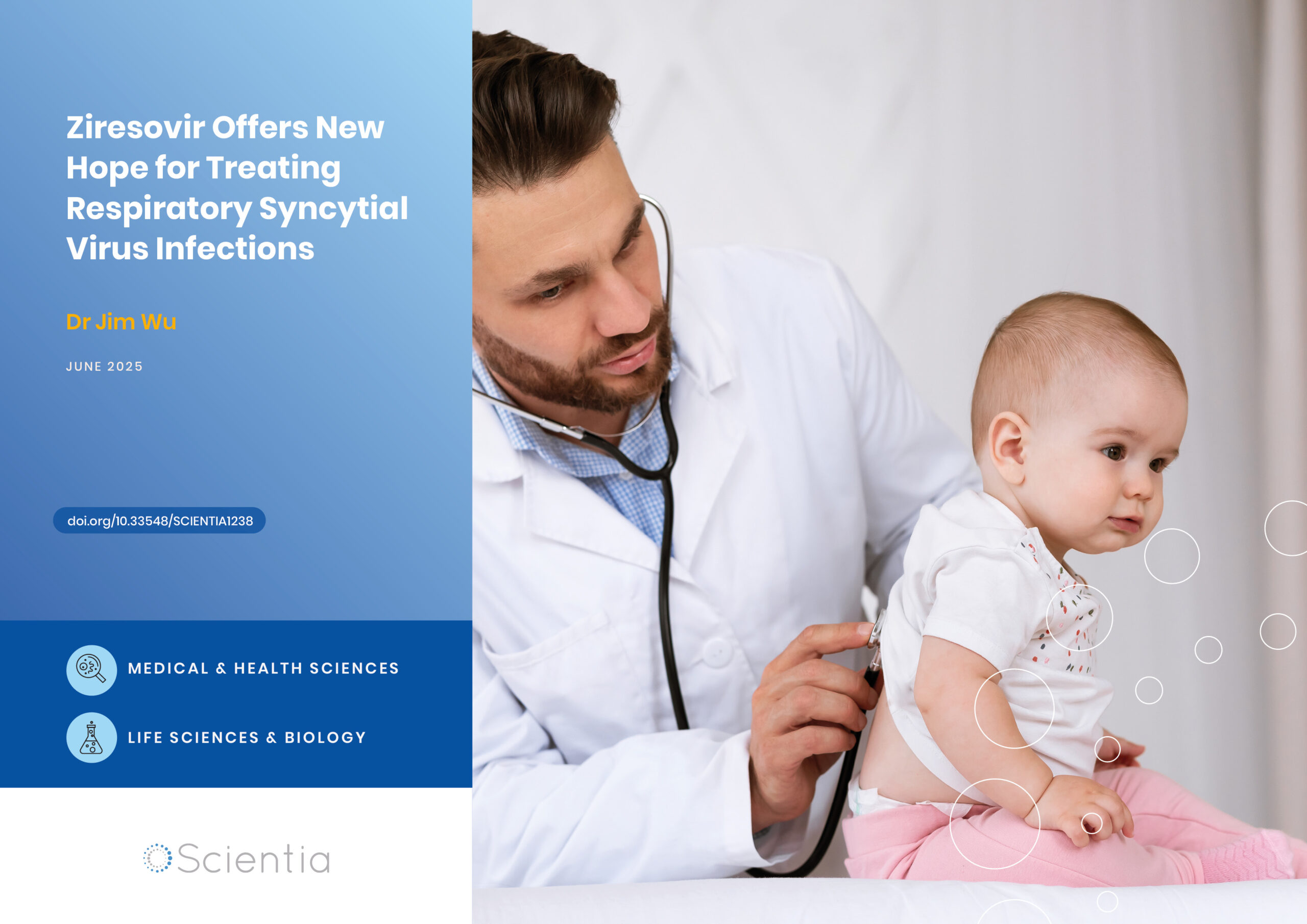
Dr Jim Wu | Ziresovir Offers New Hope for Treating Respiratory Syncytial Virus Infections
Respiratory syncytial virus (RSV) causes respiratory tract infections in children and adults. While for many patients the outcomes of infection are mild, for others, infection can prove fatal, and there is a lack of effective treatments. Dr Jim Wu from the Shanghai Ark Biopharmaceutical Company in China carries out his vital research to develop new, safe, and effective treatments to tackle this killer.

Dr Sandra Grumelli | The Importance of the Choline in Chronic Lung Infections
People with chronic lung conditions like COPD and cystic fibrosis are vulnerable to lung infections caused by the bacterium Pseudomonas aeruginosa. These infections are often difficult to treat and can cause sudden worsening of symptoms, known as flare-ups or acute exacerbations. While we know P. aeruginosa triggers inflammation and damage in the lungs, much less is understood about how exactly it causes these flare-ups, or how it survives in such a harsh environment. Dr Sandra Grumelli from the Center of Investigations of Respiratory Diseases in Argentina, has explored the role of a common molecule called choline which is released during infection. Using a combination of mouse models and laboratory experiments, she has discovered that choline not only makes breathing harder, it also helps P. aeruginosa adapt to and persist in the lungs. Her research opens up new possibilities for tackling chronic infections by targeting the bacteria’s energy use and the way it responds to its environment.