
Stroke: A Global Challenge in Need of Innovation
Stroke is the third leading cause of both death and disability worldwide, but unfortunately, current diagnostic tools are unsatisfactory. Dr Roustem Miftahof and Dr Alexander Hermann at Advanced Biosimulation Technologies LLC, USA, are overcoming the limitations of existing diagnostic tools with the development of the Neuro-Glia-Vascular Unit Engine. This transformative tool for clinicians and biomedical researchers provides patient-specific health insights with the potential to improve care not only in stroke but across a range of neurological disorders.
Stroke: Incidence, Impact, and Care
Stroke is the third leading cause of both death and disability worldwide. Globally, over 100 million people live with its debilitating sequelae, including direct physical effects such as paralysis, speech impairments, and difficulty swallowing, and physical and indirect effects such as mental fatigue, anxiety, and depression. While patient care is underpinned by the use of diagnostic tools that inform medical decision-making, patient-centred diagnosis is best practised through shared decision-making; an iterative dialogue between doctor and patient, which respects a patient’s needs, values, preferences, and circumstances.
Limitations of Conventional Neuroimaging in Stroke: The Need for Dynamic, Patient-Specific Insights
Conventional medical imaging techniques, such as computed tomography (CT), magnetic resonance imaging (MRI), CT perfusion, hybrid ultrasound computed tomography (US/CT), and positron emission tomography (PET/CT and PET/MRI), provide static high-resolution visualisation of brain anatomy and detect structural changes caused by strokes, however, they don’t answer questions of the tissue viability, recoverability, and how the brain is actually functioning in real time. Although these modalities offer some physiological and potentially prognostication information, this information is often too coarse and inadequate for a specific stroke patient.
To address these limitations, scientists and computer engineers, led by Dr Roustem Miftahof and Dr Alexander Hermann at Advanced Biosimulation Technologies (ABS-Technologies), have developed a groundbreaking solution: the Neuro-Glia-Vascular Unit Engine (NG-VU Engine) computational platform. Based on the contemporary physiological concept of the neuro-glia-vascular unit, it replicates in silico the fundamental structural and functional elements of various regions of the human brain. By integrating a comprehensive map of neuronal connections (the connectome) and individual physiological information, the NGVU-Engine creates a digital analogue of the brain.
This engine delivers patient-specific health insights rather than typical generalised AI-generated assessments, enabling precise, individualised healthcare solutions and offering real-time, dynamic insights into brain tissue viability, functionality, and cognition across macro-, meso-, and microscale levels. Linked to available Internet of Things devices, the platform is capable to simulate physiological processes that are often inaccessible by other diagnostic tools. These include volumetric cerebral blood flow, oxygen and glucose consumption, and brain cell metabolism. Seamlessly integrating into existing hospital workflows, the platform can function as both a clinical decision-support tool for doctors and an invaluable information source for patients.

Established at birth, the large intracerebral vascular network grows postnatally, through the process of capillary angiogenesis. The “NGVU-E” capillary angiogenesis algorithm accurately extends the vascular network from 1.0 mm to 2-5 micrometer scale. The image above is adapted from: Ii S, Kitade H, Ishida S, Imai Y, Watanabe Y, Wada S (2020). Multiscale modeling of human cerebrovasculature: A hybrid approach using image-based geometry and a mathematical algorithm. PLoS Comput Biol 16(6): e1007943; https://doiorg/10.1371/journal.pcbi.1007943
This precision helps doctors choose treatment strategies with laser precision. The platform offers the potential of lower radiation exposure for patients with stroke and shortens the time needed for diagnostic investigations by eliminating the need for scientifically imprecise studies, thus reducing healthcare costs.
Clinical Validation and Future Directions
Following the successful completion of a retrospective cohort study on validating the NG VU Engine’s accuracy in identifying salvageable brain tissue in patients with stroke, Dr Volker Hesselmann, Head of Interventional Neuroradiology at Asklepios Clinic North, Hamburg, Germany, explained, ‘The future we’ve been dreaming of is now within reach. With its ability to simulate the brain’s dynamic processes and integrate real-time data, the NG-VU Engine represents a transformative leap forward in stroke care and personalised medicine.’ The platform will be imminently tested in real-time emergency settings. ABS Technologies is about to start another retrospective cohort study in collaboration with a prestigious US-based academic medical centre. This marks a paradigm shift in how doctors perceive and manage strokes.
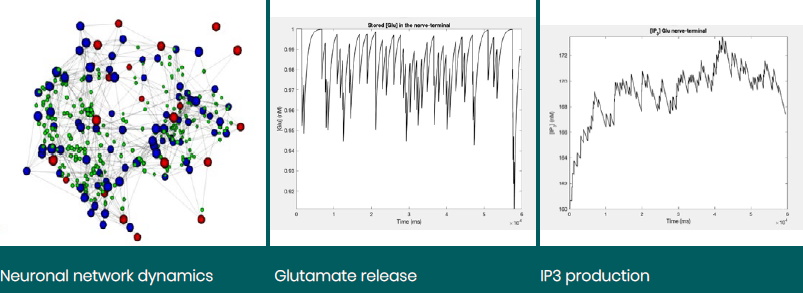
The “NGVU-E” platform adds the 4th dimension (time) by providing insights to the dynamics of internal physiological processes underlining the vast repertoire of biological phenomena.
Transforming Neurodegenerative Brain Disorder Management
Beyond stroke care, the NG-VUE holds immense potential in addressing critical challenges associated with neurodegenerative brain disorders, including Alzheimer’s, Parkinson’s, and Huntington’s diseases, as well as small vessel and frontotemporal dementia. These conditions present notable societal and economic challenges due to their increasing prevalence, complex permutations, and paucity of effective treatments. Patients with neurodegenerative disorders often experience progressive cognitive and motor disabilities, resulting in substantial dependence on caregivers, leading to profound emotional, physical, and financial strain on families and society.
The NGVU-E addresses these challenges by enabling accurate diagnoses of neurodegenerative disorders. It guides the selection of tailored treatment strategies while predicting disease trajectories for each patient. By offering clinicians advanced tools to forecast disease outcomes, the platform provides a quantitative, objective surrogate of cognitive function based on brain activity itself rather than relying on patient task performance and subjective external testing. Additionally, the NG VUE serves as a virtual environment for designing and testing pharmaceuticals, allowing researchers to evaluate their efficacy and safety in highly specific simulations. This allows more efficient ligand assessments and has the potential to shorten preclinical evaluations and especially tailor trials. All of these, especially the latter, will allow faster, more efficient, less expensive trials that will be more likely to reach successful endpoints.

Real-time information about cell metabolism and bioenergetics, oxygen, glucose and fatty acids delivery are essential for accurate assessment of the viability of brain tissue. The “NGVU-E” allows doctors to follow real-time changes of blood and nutrient supply, brain cellular activity during and after intervention/treatment.
With its ability to simulate and analyse patient-specific brain dynamics, the NGVU-E stands as a transformative tool for clinicians and biomedical researchers. By tackling the diagnostic, treatment, and prognostic challenges of brain pathologies, it plays a role in significantly improving patient outcomes and reducing the burden on families and healthcare systems worldwide.
SHARE

DOWNLOAD E-BOOK
REFERENCE
https://doi.org/10.33548/SCIENTIA1274
MEET THE RESEARCHERS

Dr Alexander Hermann
Advanced Biosimulation Technologies LLC, IA, USA
Dr Alexander Hermann holds a PhD in engineering and continuum mechanics. He specialises in computer simulations, heat and mass transfer modelling, and numerical investigations into human body-implant interactions. Dr Hermann also holds an MBA degree from the Northern Institute of Technology Management, Hamburg, Germany. He has coordinated and led various training sessions and workshops focused on Innovation and Design Thinking, fostering the development of innovative thought processes for both graduate and undergraduate students.
CONTACT
E: alexander.hermann@ai-biosim.com
W: www.advancedbiosimulation.com
Pr. Doc. Dr Volker Hesselmann
Asklepios Clinic North – Heidberg, Tangstedter Landstraße, Germany
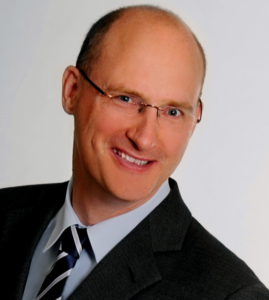
Since 2006, Dr Volker Hesselmann has worked in the field of radiology and neuroradiology, focusing on interventional neuroradiology, at the University Hospital of Cologne, Münster. He currently works at the Asklepios Clinic North as Chief Physician for Diagnostic and Interventional Neuroradiology. This includes the interventional treatment of strokes, aneurysms, and arteriovenous malformations.
CONTACT
W: Radiologie / Neuroradiologie – Asklepios Klinik Nord Heidberg
(20) Volker Hesselmann | LinkedIn

Dr Roustem Miftahof
Advanced Biosimulation Technologies LLC, IA, USA
Dr Roustem Miftahof, an emeritus Professor, Doctor of Medicine, Applied Mathematics and Technical Sciences. Internationally acclaimed as a leading scientist in the field of systems computational biology and medicine, he has authored eight books, 16 book chapters, and over 150 scientific publications. His research expertise lies in pathophysiology of psychosomatic disorders, mathematical modelling of the brain and drug discovery.
CONTACT
E: roustem.miftahof@ai-biosim.com
W: www.advancedbiosimulation.com

REPUBLISH OUR ARTICLES
We encourage all formats of sharing and republishing of our articles. Whether you want to host on your website, publication or blog, we welcome this. Find out more
Creative Commons Licence (CC BY 4.0)
This work is licensed under a Creative Commons Attribution 4.0 International License. 
What does this mean?
Share: You can copy and redistribute the material in any medium or format
Adapt: You can change, and build upon the material for any purpose, even commercially.
Credit: You must give appropriate credit, provide a link to the license, and indicate if changes were made.
SUBSCRIBE NOW
Follow Us
MORE ARTICLES YOU MAY LIKE

Assoc Prof. Nicholas Brown | Rethinking Prostate Care: A New Frontier in Treating Benign Prostatic Hyperplasia
For millions of men, ageing brings with it a set of frustrating and often disruptive urinary symptoms. These symptoms, caused by benign prostatic hyperplasia, or BPH, can affect sleep, confidence, and overall quality of life. Traditionally, treatment follows a familiar path. Patients begin with medications, often for years, and may eventually progress to surgery if symptoms worsen. Yet this pathway is not without its drawbacks. Medications can cause side effects, while surgery carries risks and recovery time. In recent years, a minimally invasive interventional radiology procedure called prostate artery embolisation, or PAE, has begun to challenge this traditional model. At the forefront of this shift is a collaborative research group, led by Dr. Nicholas Brown of the University of Queensland, whose series of P-EASY studies has explored whether PAE could transform how BPH is treated, particularly at earlier stages.

Jean Lycke | Addressing Unmet Medical Needs in Mucosal Disease: A Close-to-Market Innovation Approach
Recurrent Aphthous Stomatitis (RAS) is an oral condition characterized by one or several painful mucosal ulcers. RAS affects a large proportion of the population and has a point prevalence of approximately 2–3%, daily. The etiology remains unknown, and there is currently no curative treatment. Most patients experience recurring episodes over time, with each episode typically lasting up to a week. Here, we describe the development of a mucoadhesive patch which, when applied over a RAS ulcer, provides rapid pain relief. The patch is easy for patients to apply when symptoms begin and has the potential to be used as an over-the-counter product. The development of the Mucocort mucoadhesive patch is an example of a Close-to-Market innovation strategy that embraces simplicity within a complex healthcare system. By simplifying the product concept, the team has reduced the number of regulatory steps required before market approval. This MedTech/Pharma innovation model, known as the “4R” framework – Re-purposing, Re-formulation, Re-positioning, and Re-patenting – has guided the program from concept to commercialization. In addition to the biodegradable mucoadhesive patch developed for RAS ulcers, the team is extending the innovation concept to a mucoadhesive gel formulation for the prevention and treatment of chemotherapy-induced mucositis. This gel-based program is being commercialized separately through MucoShield.
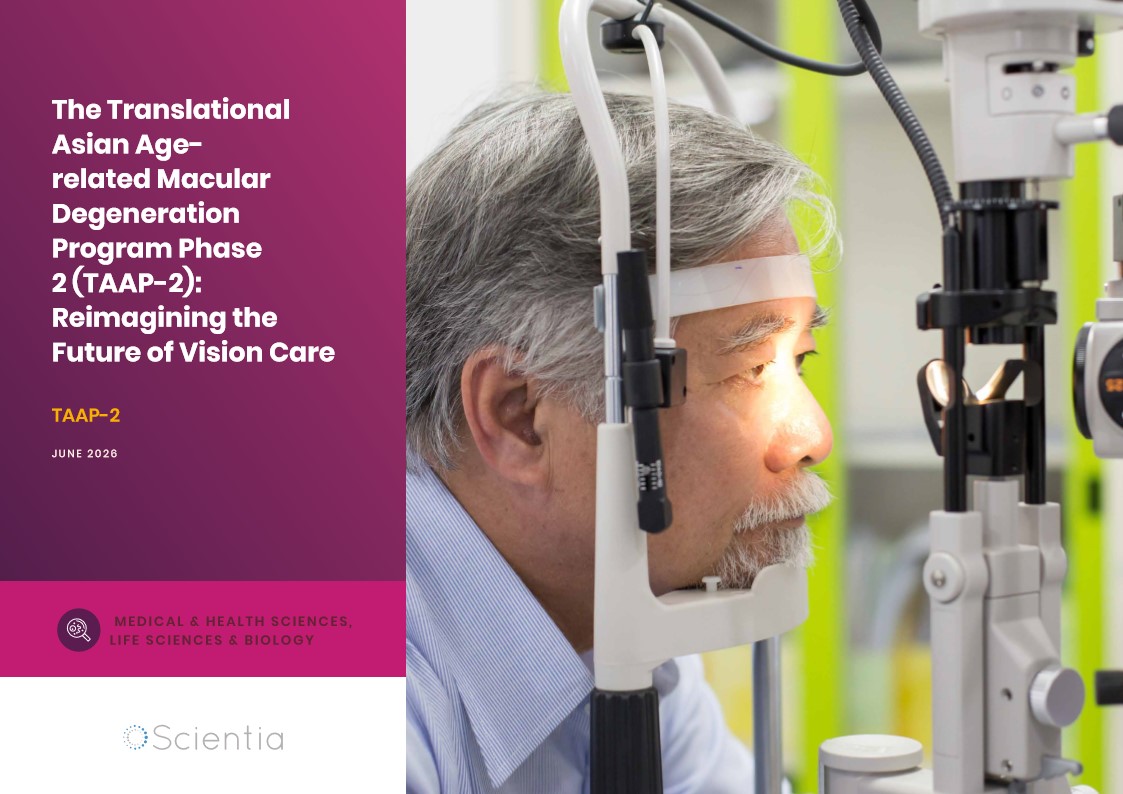
The Translational Asian Agerelated Macular Degeneration Program Phase 2 (TAAP-2): Reimagining the Future of Vision Care
Age-related macular degeneration, often abbreviated as AMD, is one of the leading causes of vision loss among older adults worldwide. In Asia, where populations are ageing rapidly, its impact is particularly profound. For many, the disease quietly erodes central vision, making everyday activities such as reading, driving, and recognising faces increasingly difficult. Against this backdrop, the Translational Asian Age-related Macular Degeneration Programme, or TAAP for short, has emerged as a bold and ambitious effort to confront the disease headon. Now in its second phase, TAAP-2 represents a significant evolution in both scientific scope and clinical ambition.
Ms. Aikaterini Dritsoula | Looking Beyond Snoring: How Hidden Airway Problems Shape Children’s Sleep
For many parents, a child’s snoring may seem harmless, even endearing. Yet in some cases, it signals something more serious. Obstructive sleep apnoea is a condition in which a child’s breathing is repeatedly disrupted during sleep. These interruptions can affect growth, behaviour, and learning. Children with this condition may toss and turn at night, struggle to concentrate during the day, or show signs of hyperactivity and fatigue. Traditionally, enlarged tonsils and adenoids have been seen as the main culprits. Surgery to remove them has long been considered the standard treatment. However, research led by Consultant ENT Surgeon Ms. Aikaterini Dritsoula of The Leeds Teaching Hospitals NHS Trust invites us to look deeper. Her work suggests that the story is often more complex, especially in very young children.