
Dr Jim Wu | Ziresovir Offers New Hope for Treating Respiratory Syncytial Virus Infections
Article written by Luisa Postlethwaite, MPharm
Respiratory syncytial virus (RSV) causes respiratory tract infections in children and adults. While for many patients the outcomes of infection are mild, for others, infection can prove fatal, and there is a lack of effective treatments. Dr Jim Wu from the Shanghai Ark Biopharmaceutical Company in China carries out his vital research to develop new, safe, and effective treatments to tackle this killer.
More Than Just a Common Cold
Respiratory syncytial virus (RSV) causes cold-like symptoms such as a runny nose, cough, sneezing, and a fever, and like the common cold, it spreads in the sneeze and cough droplets from an infected person. RSV usually causes mild symptoms in healthy children and adults, and infections generally clear up on their own. However, it can lead to serious problems in certain high-risk groups of people. These include premature babies, young infants, Down’s Syndrome or children with congenital heart or lung conditions. In all ages, immunocompromised patients such as those undergoing cancer treatment, and adults with existing respiratory diseases like chronic obstructive pulmonary disease, as well as those with cardiac conditions such as congestive heart failure are also at increased risk. Severe RSV infections in the high-risk groups can require hospitalisation, and result in bronchiolitis in infants and pneumonia in adults, which can be fatal.
Dr Jim Wu, the Founder and CEO of the Shanghai Ark Biopharmaceutical Company (also known as ArkBio) works tirelessly to develop effective new treatments for a variety of respiratory and lung diseases. ArkBio currently has several novel therapies being developed for viral respiratory infections, pulmonary fibrosis and paediatric diseases. Their recent research has led them to a ground-breaking discovery which shows great promise in treating RSV, a viral infection which has significant morbidity and mortality in certain groups of people.
Urgent Need for Safe and Effective Therapy
Dr Wu highlights that globally, severe RSV infections cause around 3.6 million hospitalisations and around 101,400 deaths in children under 5 years old each year. Additionally, it also results in recurrent wheezing and asthma in some children, impacting their long-term health. He stresses that there is an urgent need for a safe and effective treatment for RSV. Most hospital therapies, such as the administration of intravenous fluids and oxygen only serve as supportive care, and treatments that actively fight the viral infection are lacking. He adds that there is currently only one approved anti-RSV therapy, called ribavirin. However, it has limited effectiveness and toxicity issues.
Once a virus enters the body, it invades cells, hijacking the inner workings to make copies of itself. This eventually results in the cell bursting and releasing all the new viral particles which then go on to invade more healthy cells, a process that continues until the immune system steps in to fight the virus. Dr Wu and his team at Roche Shanghai decided to investigate a special protein found on the surface of RSV. The RSV fusion protein or RSV F protein, a type of glycoprotein, plays a crucial role in the process of the virus entering cells and it also promotes the formation of syncytia. This is when infected cells begin to fuse with neighbouring healthy cells, worsening the infection. Being able to target the fusion protein, especially the pre-fusion conformation of F protein, offers up a potential new way to combat viral infections.
Opening a Doorway to Effective Treatment
Dr Wu explains that if the RSV F protein can be prevented from infecting human respiratory epithelial cells, then a doorway to effective RSV treatment opens up. He adds that small molecule F protein inhibitors have been shown to decrease the severity and duration of viral respiratory infections, minimising the risk of long hospital stays and the development of complications, highlighting that over the last twenty years, several different RSV F protein inhibitors have been discovered, several of which have made it to the clinical study stage of drug development.
Dr Wu and his team decided to further investigate RSV F protein inhibition, using a method called high-throughput screening with a phenotypical cellular assay of RSV viral infection. This uses technology to enable millions of pharmacological tests to be conducted in a short space of time, allowing active compounds to be identified quickly which can then be used as a starting point for drug design and optimization. The team were able to identify a promising substance called benzoazepinequinoline (BAQ).
Discovering Ziresovir
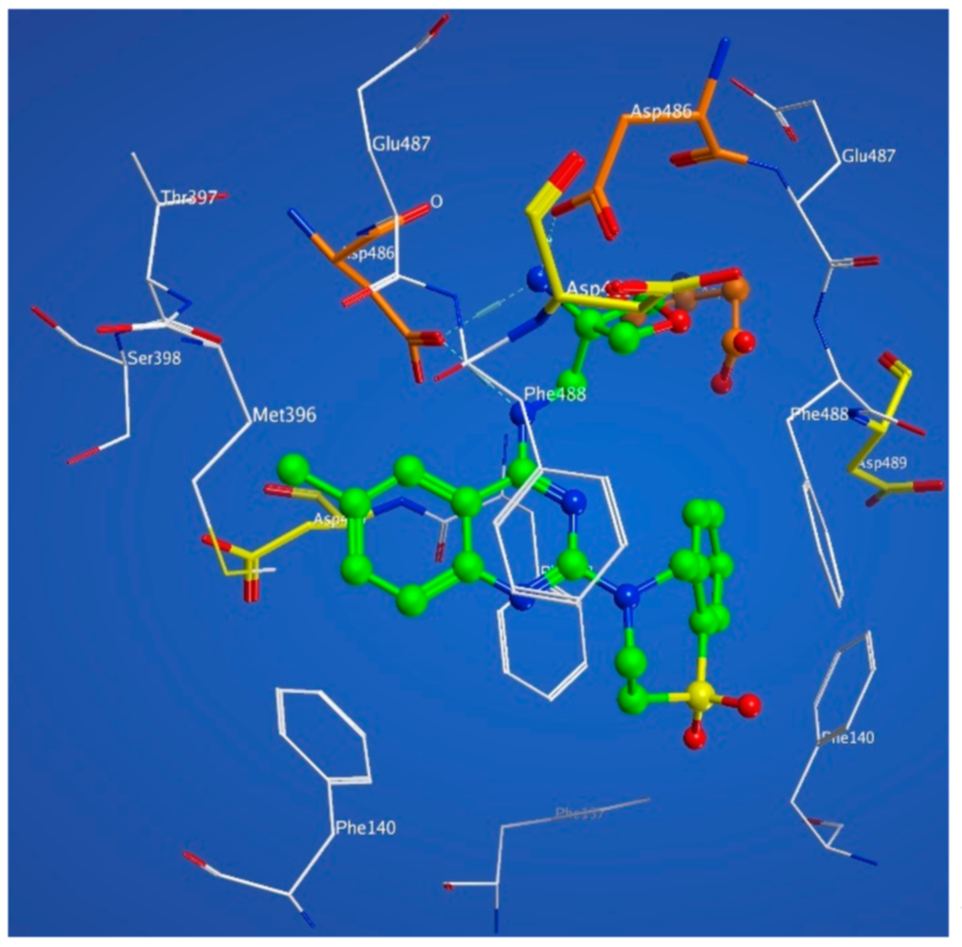
Using BAQ as a starting point, the team carried out a drug development process called lead identification, which resulted in the discovery of a substance they named compound 1. After further adjustments to the structure of compound 1, they eventually found the compound RO-0529. This was later re-assigned as AK0529 after various investigations and finally named ziresovir. Dr Wu notes that although the differences in structure between ziresovir and compound 1 were quite minor, with only the replacement of a small part of the molecule, their properties were found to be quite different. Compared to compound 1, ziresovir is metabolized and distributed differently within the body, demonstrating a larger safety window with regards to antiviral activity and cytotoxicity.
After a series of rigorous investigations, Dr Wu explains that ziresovir showed excellent anti-RSV activities both in vitro and in vivo animal viral challenge studies. Ziresovir is very potent and selective, specifically targeting the pre-fusion conformation of RSV F protein, and could be taken by mouth. They were also able to generate pharmacokinetic data from animal models, providing an understanding of how the molecule is processed in a living organism. As young children are most vulnerable to RSV infection, the toxicity tests also included juvenile animals, where the dosing started 4 days after the birth until the animals were fully developed. Ziresovir passed these extensive toxicity studies with very good safety. The drug progressed to phase 1 studies, where it was tested in healthy adult volunteers — it behaved just as expected, with good tolerability, safety, and predictable pharmacokinetic profile. Armed with strong data supporting ziresovir as an anti-RSV compound, it was now ready for the next step in its pathway to becoming a real-world RSV treatment.
The Next Step: A Phase 2 Study
The team at ArkBio moved on to the phase 2 proof-of-concept trial to explore the safety and efficacy of ziresovir in RSV-infected patients. Infants aged between 1 to 24 months old with confirmed RSV infection requiring hospitalisation were enrolled on the trial between May 2016 and April 2019 in five countries globally.
Dr Wu explains that the trial was split into two parts, during which the infants were randomly assigned to receive active treatment with ziresovir or a placebo, both given by mouth. For part one, 24 patients were given a single dose of ziresovir of up to 4 mg per kg of body weight or a placebo and monitored for 7 days. For part two, 48 patients received ziresovir doses of up to 2 mg per kg twice a day or a placebo over 5 days and were monitored until day 14 after the initial dose. Various parameters were closely monitored on a daily basis including safety, tolerability, viral load, and respiratory signs and symptoms, so the different dosing regimens could be evaluated.
Very Promising Results
The team reported that their new drug was very well tolerated by the RSV-infected infants, with no safety issues detected. Adverse events were reported in only 4.1% of patients receiving the drug and 4.2% of patients receiving the placebo. Dr Wu describes how part 2 of the trial allowed them to discover the optimal dose to be 2 mg per kg given twice a day. The Wang Bronchiolitis Clinical Score allows a numerical value to be assigned to the severity of respiratory illnesses. After 96 hours, this dose showed the greatest reduction in viral load and Wang Bronchiolitis Clinical Score compared to the placebo.
With such excellent data from their phase 2 trial, ziresovir was ready for a much larger and more in-depth study and as the next development step a phase 3 trial was carried out in China. The ArkBio team enrolled a similar patient demographic as the phase 2 trial, hospitalised infants aged 1 to 24 months old. The infants were randomly assigned to receive ziresovir at a dose of 10 to 40 mg, according to their body weight, or a placebo given twice daily for 5 days. The change in Wang Bronchiolitis Clinical Score from the start to day 3 of treatment or placebo administration was recorded and reviewed. During this study 244 infants had confirmed RSV infection and received at least one dose of ziresovir or placebo. A total of 302 infants were included in the safety population; these had all received at least one dose of ziresovir or the placebo.
The team’s studies have found that ziresovir treatment in young children hospitalised with RSV infection resulted in a significantly greater resolution of signs and symptoms associated with RSV infection, as well as a greater decrease in the viral load when compared to the placebo. Additionally, no safety concerns were identified – only 16% of patients given the drug experienced an adverse effect compared to 13% in the placebo group. The most common side effect was diarrhoea in 4% of the patients receiving the drug and 2% receiving placebo. Mutations in RSV associated with the development of resistance to the drug were identified in only 9% of the infants receiving ziresovir.
Long-Term Protection Against Wheeze
To assess the drug’s long-term benefits to infant patients, the ArkBio team followed up the 188 infants aged 6 months or younger after the phase 3 clinical trial for additional two years following discharge from hospital. Most notably, the team discovered that treatment with ziresovir was associated with reduced occurrence of wheezing. The data showed that infants who received ziresovir had 3.6 times fewer episodes of parent-reported wheeze compared to those who received placebo. The incidence rate of asthma was also numerically reduced in the active drug treated patients. This finding is particularly important, as RSV infection in early life is linked to an increased risk of recurring wheeze and potential asthma development in later childhood.
A Bright Future with Ziresovir
Dr Wu notes that the team’s findings warrant further evaluation in an international trial using ziresovir treatment for RSV infection. The future for new, safe, and effective RSV treatments looks very bright. With no currently effective therapy available for RSV, the ground-breaking work of Dr Wu and his colleagues offers fresh hopes for combating this potentially devastating viral infection, which impacts so many young children around the world.
SHARE

DOWNLOAD E-BOOK
REFERENCE
https://doi.org/10.33548/SCIENTIA1238
MEET THE RESEARCHER

Dr Jim Wu
Shanghai Ark Biopharmaceutical, Shanghai, China
Dr Jim Wu obtained his PhD at Brown University and conducted postdoctoral research at Harvard Medical School, in the USA. He has worked for Schering-Plough, Valeant Pharmaceuticals, and Roche in various research and development management and leadership roles. He has also co-authored more than seventy scientific papers and served as a member of the editorial advisory board of the journal Antimicrobial Agents and Chemotherapy. He is a co-inventor of ziresovir, a potentially first-in-disease antiviral drug for treatment of respiratory syncytial virus infection. Additionally, he was an adjunct professor at the Fudan University School of Pharmacy and Shanghai Medical College. Dr Wu is the Founder, Chairman, and CEO of Shanghai Ark Biopharmaceutical Company, also known as ArkBio. It is a clinical-stage biopharmaceutical company focusing on the discovery and development of innovative drugs for the treatment of respiratory and lung diseases. Its research and development pipeline includes seven drug candidates for acute, chronic and end-stage respiratory and lung diseases, with a focus on respiratory viral infections and pulmonary fibrosis.
CONTACT
E: jim.wu@arkbiosciences.com
W: https://arkbiosciences.com/en/
LinkedIn: https://www.linkedin.com/in/jim-wu-53815510/
KEY COLLABORATORS
We acknowledge the virologist and medicinal chemist team led by Drs. Lu Gao and Hongyin Yun at Roche R&D Center, Shanghai, for the original discovery of AK0529, and other Roche colleagues for completion of preclinical development work, as well as ArkBio scientist team, especially Drs. Stephen Toovey, Haiqing Yuan, Jimmy Gu, Joe Zou, and Jenny Zhu, for carrying out preclinical and clinical research. For the effort to lead and manage the clinical studies from phases I to III, we thank all the clinical investigators of Victor and Airflo clinical studies, especially Professors Xin Ni, Shunying Zhao, Hanmin Liu, Li-Min Huang, and Andreas Schibler alongside their collaborators. We are also grateful to Drs. John Devincenzo, Jason Chien, and Richard Whitley for advice, and CROs, especially Tigermed and Wuxi AppTec, for their contributions.
FURTHER READING
S Zhao, Y Shang, Y Yin, et al., Ziresovir in Hospitalized Infants with Respiratory Syncytial Virus Infection, The New England Journal of Medicine, 2024, 391, 1096–107. DOI: https://doi.org/10.1056/NEJMoa2313551
L Huang, A Schibler, Y Huang, et al., Safety and efficacy of AK0529 in respiratory syncytial virus-infected infant patients: A phase 2 proof-of-concept trial, Influenza and Other Respiratory Viruses, 2023, 17, e13176. DOI: https://doi.org/10.1111/irv.13176
X Zheng, L Gao, L Wang, et al., Discovery of Ziresovir as a Potent, Selective, and Orally Bioavailable Respiratory Syncytial Virus Fusion Protein Inhibitor, Journal of Medicinal Chemistry, 2019, 62, 6003−6014, DOI: 10.1021/acs.jmedchem.9b00654
G Zou, S Cao, Z Gao, et al., Current state and challenges in respiratory syncytial virus drug discovery and development, Antiviral Research, 2024, 221, e105791. DOI: https://doi.org/10.1016/j.antiviral.2023.105791
Zhang H, Zhao W, Zhang X, et al. Efficacy and safety of ziresovir in hospitalised infants aged 6 months or younger with respiratory syncytial virus infection in China: findings from a phase 3 randomised trial with 24-month follow-up. Lancet Child Adolesc Health, 2025, 9, 325-336. DOI: 10.1016/S2352-4642(25)00067-7

REPUBLISH OUR ARTICLES
We encourage all formats of sharing and republishing of our articles. Whether you want to host on your website, publication or blog, we welcome this. Find out more
Creative Commons Licence (CC BY 4.0)
This work is licensed under a Creative Commons Attribution 4.0 International License. 
What does this mean?
Share: You can copy and redistribute the material in any medium or format
Adapt: You can change, and build upon the material for any purpose, even commercially.
Credit: You must give appropriate credit, provide a link to the license, and indicate if changes were made.
SUBSCRIBE NOW
Follow Us
MORE ARTICLES YOU MAY LIKE

Assoc Prof. Nicholas Brown | Rethinking Prostate Care: A New Frontier in Treating Benign Prostatic Hyperplasia
For millions of men, ageing brings with it a set of frustrating and often disruptive urinary symptoms. These symptoms, caused by benign prostatic hyperplasia, or BPH, can affect sleep, confidence, and overall quality of life. Traditionally, treatment follows a familiar path. Patients begin with medications, often for years, and may eventually progress to surgery if symptoms worsen. Yet this pathway is not without its drawbacks. Medications can cause side effects, while surgery carries risks and recovery time. In recent years, a minimally invasive interventional radiology procedure called prostate artery embolisation, or PAE, has begun to challenge this traditional model. At the forefront of this shift is a collaborative research group, led by Dr. Nicholas Brown of the University of Queensland, whose series of P-EASY studies has explored whether PAE could transform how BPH is treated, particularly at earlier stages.

Jean Lycke | Addressing Unmet Medical Needs in Mucosal Disease: A Close-to-Market Innovation Approach
Recurrent Aphthous Stomatitis (RAS) is an oral condition characterized by one or several painful mucosal ulcers. RAS affects a large proportion of the population and has a point prevalence of approximately 2–3%, daily. The etiology remains unknown, and there is currently no curative treatment. Most patients experience recurring episodes over time, with each episode typically lasting up to a week. Here, we describe the development of a mucoadhesive patch which, when applied over a RAS ulcer, provides rapid pain relief. The patch is easy for patients to apply when symptoms begin and has the potential to be used as an over-the-counter product. The development of the Mucocort mucoadhesive patch is an example of a Close-to-Market innovation strategy that embraces simplicity within a complex healthcare system. By simplifying the product concept, the team has reduced the number of regulatory steps required before market approval. This MedTech/Pharma innovation model, known as the “4R” framework – Re-purposing, Re-formulation, Re-positioning, and Re-patenting – has guided the program from concept to commercialization. In addition to the biodegradable mucoadhesive patch developed for RAS ulcers, the team is extending the innovation concept to a mucoadhesive gel formulation for the prevention and treatment of chemotherapy-induced mucositis. This gel-based program is being commercialized separately through MucoShield.
The Translational Asian Agerelated Macular Degeneration Program Phase 2 (TAAP-2): Reimagining the Future of Vision Care
Age-related macular degeneration, often abbreviated as AMD, is one of the leading causes of vision loss among older adults worldwide. In Asia, where populations are ageing rapidly, its impact is particularly profound. For many, the disease quietly erodes central vision, making everyday activities such as reading, driving, and recognising faces increasingly difficult. Against this backdrop, the Translational Asian Age-related Macular Degeneration Programme, or TAAP for short, has emerged as a bold and ambitious effort to confront the disease headon. Now in its second phase, TAAP-2 represents a significant evolution in both scientific scope and clinical ambition.
Ms. Aikaterini Dritsoula | Looking Beyond Snoring: How Hidden Airway Problems Shape Children’s Sleep
For many parents, a child’s snoring may seem harmless, even endearing. Yet in some cases, it signals something more serious. Obstructive sleep apnoea is a condition in which a child’s breathing is repeatedly disrupted during sleep. These interruptions can affect growth, behaviour, and learning. Children with this condition may toss and turn at night, struggle to concentrate during the day, or show signs of hyperactivity and fatigue. Traditionally, enlarged tonsils and adenoids have been seen as the main culprits. Surgery to remove them has long been considered the standard treatment. However, research led by Consultant ENT Surgeon Ms. Aikaterini Dritsoula of The Leeds Teaching Hospitals NHS Trust invites us to look deeper. Her work suggests that the story is often more complex, especially in very young children.