
Dr Masumi Kamiyama | Using Natural Compounds from Soy to Protect Kidneys from Damage in Diabetes
Article written by Chris Barton, BSc (Hons), MBChB (Hons), MSc
Dr Masumi Kamiyama, Associate Professor at Jumonji University, Saitama, Japan, leads research into the early detection and prevention of diabetic nephropathy, which is kidney damage caused from long-term high blood sugar that makes it harder for the kidneys to filter waste, and can potentially lead to kidney failure. Dr Kamiyama and colleagues are exploring the role of a protein called angiotensinogen (AGT) as an early biomarker of kidney damage. The team studies the potential of plant-based antioxidants, called isoflavones, to slow or halt kidney damage from highly reactive molecules, such as oxygen free radicals.
Understanding Diabetic Kidney Disease
Diabetic nephropathy —kidney damage linked to diabetes— is one of the leading causes of end-stage kidney disease (ESKD) worldwide, and its impact continues to rise with the global increase in type 2 diabetes. Once ESKD sets in, patients often need dialysis several times a week or a kidney transplant, both of which can be life-changing, and place a huge strain on healthcare systems. Dr Kamiyama and her team at Jumonji University are dedicated to uncovering what actually happens in the kidneys long before symptoms appear.
Inside the kidneys is a localised version of the renin–angiotensin system (RAS) —a finely tuned hormonal network that can promote minute-by-minute adjustment in blood flow, filtration, and salt levels. This local system is separate from the body’s main RAS, and allows the kidneys to respond quickly to changes without waiting for instructions from the brain or other organs. One important component is angiotensinogen (AGT), a protein made in the liver that acts as the starting material for several chemical reaction which influence kidney function. Historically, doctors have relied on microalbuminuria (the presence of small amounts of albumin in urine) as an early warning sign for kidney damage. While this test remains useful, researchers now know it misses a significant number of cases, as some people develop kidney damage without any albumin changes at all, while others progress to advanced disease despite normal readings.
Dr Kamiyama’s work reveals that urinary AGT levels climb much earlier, providing an earlier alert system. One of the main reasons AGT rises is due to oxidative stress —damage caused by reactive oxygen species (ROS). This is important because oxidative stress also fuels inflammation, damages blood vessels, and accelerates scarring. Research from her team focuses on whether isoflavones —antioxidant-rich polyphenols found in soybeans and other legumes— can help reduce these harmful effects. The implications reach beyond kidney health. People with diabetic nephropathy face a far higher risk of cardiovascular disease, including heart attacks, and strokes. The disease is driven by prolonged high blood sugar, increased internal kidney pressure, and excessive activation of hormonal systems like RAS. Together, these processes trigger oxidative stress, inflammation, and fibrosis (thickening and stiffening of kidney tissue). Detecting changes early gives patients and doctors a valuable head start in stopping the damage.
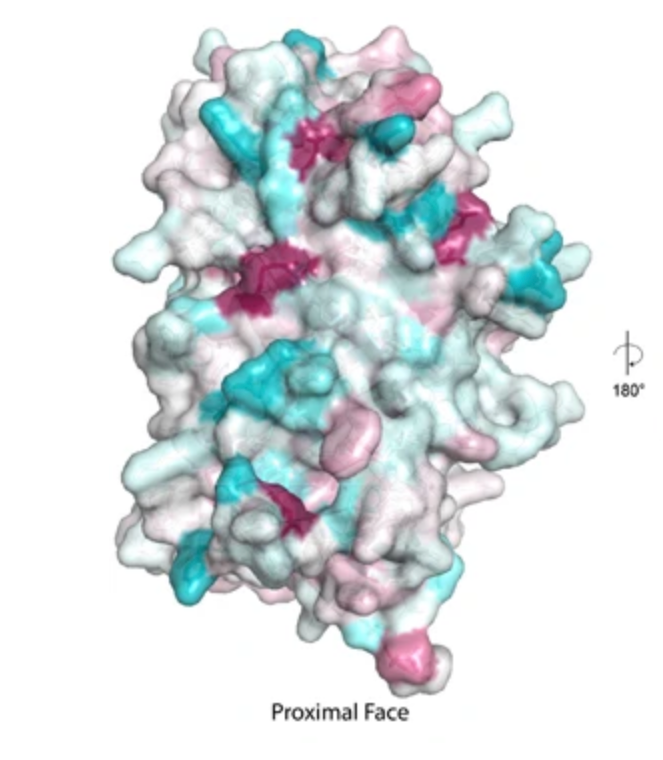
The Renin–Angiotensin System and the Kidneys
RAS is essential for controlling blood pressure, balancing fluids, and keeping electrolytes in check. Everything starts when specialised kidney cells release an enzyme called renin. Renin acts on AGT from the liver, producing angiotensin I, which is then transformed into angiotensin II by the angiotensin-converting enzyme (ACE). Angiotensin II is a potent vasoconstrictor —meaning it narrows blood vessels— and prompts the adrenal glands located atop the kidneys to release aldosterone, which signals the kidneys to retain sodium and water. These effects are vital in situations like dehydration or blood loss, but become harmful when the RAS is overactive, as is often the case in diabetes.
The kidneys’ own intrarenal RAS can function independently of the body’s main system. This local version regulates blood flow inside the kidney, influences how cells grow, and controls inflammatory responses. When overactivated, it accelerates tissue damage and scarring, a problem seen in many chronic kidney conditions. AGT sits at the very beginning of this process, making it a valuable biomarker for monitoring and target for intervention.

Urinary AGT – A Sensitive Early Warning Signal
One of the most exciting aspects of Dr Kamiyama’s research is the potential for urinary AGT to act as an early and sensitive biomarker. Unlike albumin, which often appears later, AGT rises at the earliest stages of damage, reflecting when the kidney’s own RAS starts working overtime. Laboratory experiments show that AGT levels go up soon after diabetes develops. Fortunately, when insulin therapy is introduced, those AGT levels drop. This suggests AGT could be used not only to spot early disease, but also to track how well treatments are working. Because AGT is linked to oxidative stress and overactive RAS, it might also help predict which patients will respond best to drugs like ACE inhibitors or angiotensin receptor blockers (ARBs). In the future, a quick urine test for AGT could help doctors tailor treatment plans more precisely, matching the right therapy to the right patient.

Isoflavones – Plant Compounds with Kidney-Protective Potential
Isoflavones are naturally occurring plant polyphenols found in soybeans, chickpeas, lentils, and other legumes. They are well-known for their antioxidant and anti-inflammatory properties; their potential health benefits have been studied in areas ranging from bone health to cardiovascular protection. In the context of kidney disease, they may offer a low-cost, accessible tool to protect against damage. In the gut, certain bacteria can convert isoflavones into equol —a compound with strong antioxidant properties and mild oestrogen-like effects. However, not everyone can produce equol, and researchers are investigating how gut microbiome composition affects its production.
Dr Kamiyama’s group has shown that isoflavones can reduce AGT production in kidney cells under oxidative stress. They also appear to inhibit inflammatory pathways, like nuclear factor kappa B (NF-κB), and decrease fibrosis-promoting signals, such as transforming growth factor-beta (TGF-β). In diabetic animal models, isoflavone supplements lowered protein leakage in urine, improved antioxidant enzyme activity, and preserved kidney structure. These findings suggest that isoflavones could be especially beneficial if introduced early in at-risk individuals, forming part of a prevention strategy alongside lifestyle changes and conventional therapies.

Dr Kamiyama’s work points towards a future where early diagnostics and nutritional strategies are combined to fight diabetic kidney disease. Urinary AGT could alert doctors to the first signs of stress, while isoflavones could help counteract the harmful biological processes behind that stress. The challenge now is to confirm these results in large human studies. This will involve refining AGT testing for everyday clinical use, understanding how personal factors like gut bacteria affect isoflavone benefits, and testing whether combining isoflavones with other nutrients or drugs offers extra protection.
If this approach works, diabetic nephropathy could shift from being an unavoidable, silent complication to a condition that can be prevented and managed effectively. That could mean fewer people on dialysis, lower transplant waiting lists, reduced healthcare costs, and —most importantly— better quality of life for millions of people.
SHARE

DOWNLOAD E-BOOK

REFERENCE
https://doi.org/10.33548/SCIENTIA1176
MEET THE RESEARCHER

Masumi Kamiyama
Jumonji University, Niiza-shi, Japan
Dr Masumi Kamiyama is Associate Professor Food and Nutrition at Jumonji University, with a research focus on diabetes, kidney disease, hypertension, nutrition, polyphenols, and biochemistry. She earned her PhD in Bioscience from Ochanomizu University, Tokyo, in 2003, following a BSc and Master’s in Food Science, Nutrition, and Health Sciences from Jissen Women’s University.
Her academic career includes extensive research into the renin–angiotensin system, angiotensinogen biology, and the role of polyphenols, particularly isoflavones, in diabetic nephropathy. She has held postdoctoral positions at Tulane University (USA) and RIKEN’s Laboratory for Diabetic Nephropathy.
Dr Kamiyama has authored peer-reviewed publications, including recent work on urinary angiotensinogen as an early biomarker of diabetic nephropathy, and the suppression of oxidative stress pathways by dietary isoflavones. Her research bridges molecular biology, nutritional science, and dietary strategies to prevent kidney disease in diabetes.
CONTACT
E: masumi-k@jumonji-u.ac.jp
W: https://www.acoffice.jp/jmuhp/KgApp?resId=S000131
FURTHER READING
Kamiyama, M., Iijima, K., Okuzawa, R., Kawata, R., Kimura, A., Shinohara, Y., Shimada, A., Yamanaka, M., Youda, A. and Iwamoto, T., 2025. Augmented intrarenal and urinary angiotensinogen in diabetic nephropathy: The role of isoflavones. International Journal of Molecular Sciences, 26(4), p.1443. https://doi.org/10.3390/ijms26041443
REPUBLISH OUR ARTICLES
We encourage all formats of sharing and republishing of our articles. Whether you want to host on your website, publication or blog, we welcome this. Find out more
Creative Commons Licence (CC BY 4.0)
This work is licensed under a Creative Commons Attribution 4.0 International License. 
What does this mean?
Share: You can copy and redistribute the material in any medium or format
Adapt: You can change, and build upon the material for any purpose, even commercially.
Credit: You must give appropriate credit, provide a link to the license, and indicate if changes were made.
SUBSCRIBE NOW
Follow Us
MORE ARTICLES YOU MAY LIKE

Assoc Prof. Nicholas Brown | Rethinking Prostate Care: A New Frontier in Treating Benign Prostatic Hyperplasia
For millions of men, ageing brings with it a set of frustrating and often disruptive urinary symptoms. These symptoms, caused by benign prostatic hyperplasia, or BPH, can affect sleep, confidence, and overall quality of life. Traditionally, treatment follows a familiar path. Patients begin with medications, often for years, and may eventually progress to surgery if symptoms worsen. Yet this pathway is not without its drawbacks. Medications can cause side effects, while surgery carries risks and recovery time. In recent years, a minimally invasive interventional radiology procedure called prostate artery embolisation, or PAE, has begun to challenge this traditional model. At the forefront of this shift is a collaborative research group, led by Dr. Nicholas Brown of the University of Queensland, whose series of P-EASY studies has explored whether PAE could transform how BPH is treated, particularly at earlier stages.

Jean Lycke | Addressing Unmet Medical Needs in Mucosal Disease: A Close-to-Market Innovation Approach
Recurrent Aphthous Stomatitis (RAS) is an oral condition characterized by one or several painful mucosal ulcers. RAS affects a large proportion of the population and has a point prevalence of approximately 2–3%, daily. The etiology remains unknown, and there is currently no curative treatment. Most patients experience recurring episodes over time, with each episode typically lasting up to a week. Here, we describe the development of a mucoadhesive patch which, when applied over a RAS ulcer, provides rapid pain relief. The patch is easy for patients to apply when symptoms begin and has the potential to be used as an over-the-counter product. The development of the Mucocort mucoadhesive patch is an example of a Close-to-Market innovation strategy that embraces simplicity within a complex healthcare system. By simplifying the product concept, the team has reduced the number of regulatory steps required before market approval. This MedTech/Pharma innovation model, known as the “4R” framework – Re-purposing, Re-formulation, Re-positioning, and Re-patenting – has guided the program from concept to commercialization. In addition to the biodegradable mucoadhesive patch developed for RAS ulcers, the team is extending the innovation concept to a mucoadhesive gel formulation for the prevention and treatment of chemotherapy-induced mucositis. This gel-based program is being commercialized separately through MucoShield.
The Translational Asian Agerelated Macular Degeneration Program Phase 2 (TAAP-2): Reimagining the Future of Vision Care
Age-related macular degeneration, often abbreviated as AMD, is one of the leading causes of vision loss among older adults worldwide. In Asia, where populations are ageing rapidly, its impact is particularly profound. For many, the disease quietly erodes central vision, making everyday activities such as reading, driving, and recognising faces increasingly difficult. Against this backdrop, the Translational Asian Age-related Macular Degeneration Programme, or TAAP for short, has emerged as a bold and ambitious effort to confront the disease headon. Now in its second phase, TAAP-2 represents a significant evolution in both scientific scope and clinical ambition.

Ms. Aikaterini Dritsoula | Looking Beyond Snoring: How Hidden Airway Problems Shape Children’s Sleep
For many parents, a child’s snoring may seem harmless, even endearing. Yet in some cases, it signals something more serious. Obstructive sleep apnoea is a condition in which a child’s breathing is repeatedly disrupted during sleep. These interruptions can affect growth, behaviour, and learning. Children with this condition may toss and turn at night, struggle to concentrate during the day, or show signs of hyperactivity and fatigue. Traditionally, enlarged tonsils and adenoids have been seen as the main culprits. Surgery to remove them has long been considered the standard treatment. However, research led by Consultant ENT Surgeon Ms. Aikaterini Dritsoula of The Leeds Teaching Hospitals NHS Trust invites us to look deeper. Her work suggests that the story is often more complex, especially in very young children.