
Dr Maka Tsulukidze – Dr David Reardon | After the Loss: Exploring Cardiovascular Risks Linked to Pregnancy Loss
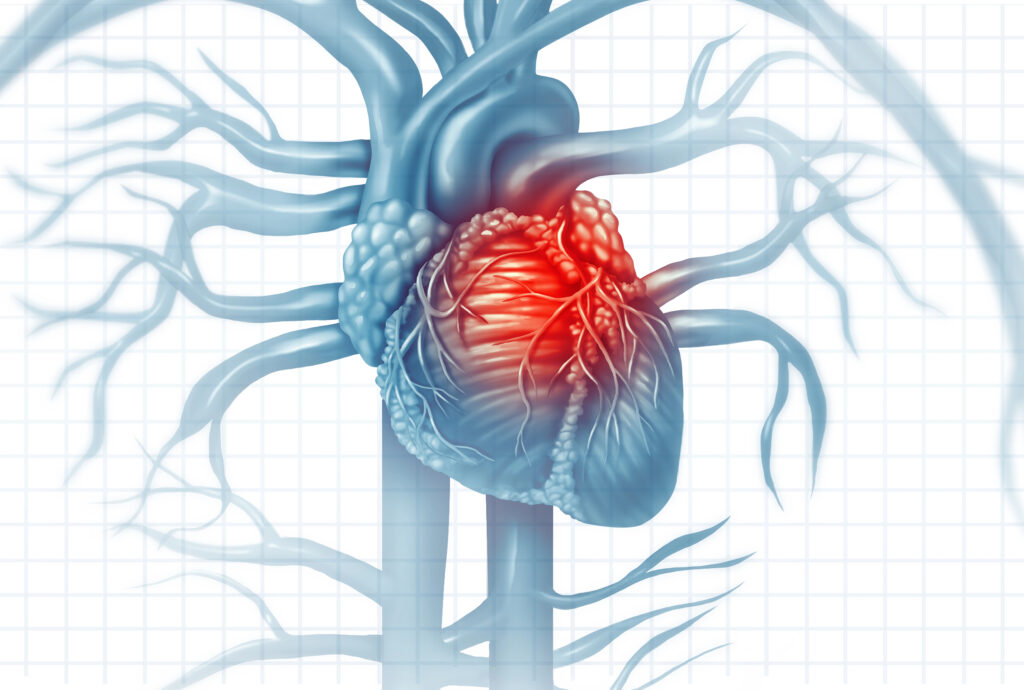
Carrying a pregnancy is associated with numerous health problems, but little is known about the impact of pregnancy loss on heart health. Dr Maka Tsulukidze from the Florida Gulf Coast University, Dr David Reardon, based at the Elliot Institute, and Dr Christopher Craver at the Charlotte Lozier Institute in Arlington, conducted research into the adverse effects of pregnancy loss on heart function and health. In particular, their research focused on the impact of pregnancy loss on the risk of cardiovascular diseases.
Health Risks of Pregnancy
While the health risks of pregnancy are well-documented, we often forget that pregnancy loss can also negatively impact health. Dr Maka Tsulukidze at the Department of Health Sciences at the Florida Gulf Coast University, Dr David Reardon at the Elliot Institute in Florida, and Dr Christopher Craver at the Charlotte Lozier Institute in Arlington, have advanced understanding of the links between pregnancy and cardiovascular diseases (CVD), with a specific focus on pregnancy loss.
Unknown Risks
The researchers observed that pregnancy is associated with a higher risk of CVD. Profound changes to the body during pregnancy impact the heart, blood vessels and circulation, and the lungs. Previous research had found that women who have been pregnant at any point have a higher long-term risk of numerous cardiovascular conditions. These include cardiovascular diseases such as high blood pressure, heart attack, stroke, brain haemorrhage, and arterial blood clots.
The researchers highlighted that while much is known about the association between pregnancy and CVD, there has been very little research into specific types of pregnancy losses and their links to CVD. The research so far had also focused only on particular kinds of CVD, such as heart attack or coronary heart disease. Indeed, these data have suggested an increased risk of these conditions in women with a history of miscarriage and stillbirth. There was minimal evidence regarding any link between the risk of CVD in the future and induced abortion, the intentional termination of a pregnancy.
Answers Needed
The researchers agreed that there was a critical need for more research to work out the frequency and type of cardiovascular complications which are linked to pregnancy losses, including induced abortions. The team wanted to find clear answers, hypothesising that pregnancy loss of any type is a risk factor for CVD.
They obtained data from the US Centres for Medicare & Medicaid Services (CMS), which held information submitted to them from 16 US states between 1999 and 2014. They selected states fulfilling two key criteria – that they provided funding for all reproductive healthcare services, including induced abortion, during the years 1999 through to at least 2012, and they also reported all their reproductive health services to the CMS. These data allowed the research team to include in the analysis medical records of young, low-income women born in 1983 or later who had at least one pregnancy before 2013, and who had been eligible for Medicaid for at least a year between 1999 and 2015.

Higher Risk Confirmed
The team performed a complex set of statistical analyses of the CMS health record data. They extracted information about unique pregnancy outcomes, history of diabetes and hyperlipidaemia (also known as high cholesterol) since they both impact CVD risk, CVD, number of pregnancies, live births and losses, amongst numerous other health data. They then calculated the incident rates of CVD diagnosis following the first pregnancy. They also compared subsets of data for women who experienced CVD to those who did not.
A history of pregnancy loss was associated with a 38% higher risk of a CVD diagnosis from 2 years through to 12 years after their first pregnancy. After they factored in numerous controls for a fairer comparison, they found that any pregnancy loss was associated with an 18% increased risk of CVD.
Further, the researchers found that the increased immediate and short-term CVD risk is more characteristic for women whose first pregnancy resulted in a live birth, whilst a delayed, more prolonged increase in CVD risk is linked with women having lost the first pregnancy, whether by a natural loss or an induced abortion.
Important Temporal Relationship Revealed
This analysis revealed an important temporal relationship between pregnancy loss and CVD. The increased immediate and short-term CVD risk was more characteristic for women whose first pregnancy resulted in a live birth, whilst a delayed, more prolonged increase in CVD risk was linked with women having lost the first pregnancy. The colleagues highlighted how this study provides a better understanding of the links between the outcome of a woman’s first pregnancy and the risk of CVD over a longer period.
The team’s findings bring a new consideration to light for clinicians evaluating and advising patients. Pregnancy history should be considered as part of the process when reviewing CVD risk. Since their research considers a full range of pregnancy-related cardiovascular diagnoses, it highlights opportunities for the development of more specific cardiovascular health monitoring during pregnancy, which should be based on the patient’s complete pregnancy history, including any losses.
Impact of Prior Pregnancy Losses
The colleagues continued their noteworthy research into CVD risk by investigating the effects of previous pregnancy losses on the CVD risk during the initial six months after the birth of a woman’s first baby. They found that with the mounting evidence suggesting that both natural and induced pregnancy loss were associated with an increased risk of CVD, and further research was needed to clarify the risk and better understand the impact.
They used the CMS again and gathered data about Medicaid claims from low-income women between 1999 and 2014. Like in their earlier study, they used data from US states which provide all reproductive health care options and report all Medicaid-paid treatments to the CMS. They found data on 1,002,556 women and carefully examined their records to identify a history of pregnancy loss, diabetes, hyperlipidemia, and CVD occurring before the birth of their first baby.
Vast Quantities of Data
With over a million records to sift through, the team eventually managed to split the study population up into five different categories, creating groups A through to E. Group A contained women with no pregnancy loss or CVD history prior to their first live birth (the birth of their first child, alive and well), Group B contained women with pregnancy loss and no CVD prior to their first live birth, Group C contained women with their first CVD diagnosis after their first pregnancy ending in a loss and before their first live birth, Group D contained women with CVD prior to their first live birth and no history of pregnancy loss, and lastly Group E which included women with both CVD and pregnancy loss prior to their first live birth.
The analysis factored in variables such as age, ethnic background, state of residence, and various conditions that could boost CVD risk, such as high cholesterol and diabetes.
After taking these into account, the researchers performed further statistical analysis and discovered the risk of CVD in the six months after the first live birth was elevated for all groups who had a history of pregnancy loss compared to the control, Group A, which included women with no pregnancy losses or CVD prior to their first live births. Specifically, compared to Group A, CVD risks were 15%, 214%, 79%, and 129% for Groups B, C, D and E, respectively. Notably, a dose effect was also observed, with histories of multiple prior pregnancy losses associated with higher rates of CVD in the postpartum period following a first live birth.
A New Independent Risk Factor
The researchers noted that there were some limitations to the study, mainly due to the CMS data not being complete. They explained that Medicaid coverage is generally more available for pregnant women, so the population they sampled may not have been covered for the entire time of the investigation, particularly in the years leading up to the first live birth. Likely, many previous pregnancy losses and occurrences of CVD were not recorded by Medicaid.
However, the team’s findings supported their previous research and the other limited studies on the topic. Their data confirmed that pregnancy loss is an independent risk factor for CVD after the birth of a woman’s first child for both women with and without a previous history of CVD. They reported the risk to be highest in their Group B, which featured women who had been diagnosed with CVD after a pregnancy loss but before the birth of their first live child. The colleagues added that although they found some variation in the strength of the relationships between different types of pregnancy losses, in general, the links became stronger with recurrent pregnancy losses. Incidentally, their research also discovered that there was a 55% greater risk of a diabetes diagnosis amongst women whose first pregnancy ended in loss, opening up the doors to further avenues of study in the future.
While prior studies had revealed that natural losses are a risk factor for elevated risks of CVD, these research findings indicate that induced abortions are also an independent risk factor for CVD.
SHARE

DOWNLOAD E-BOOK
REFERENCE
https://doi.org/10.33548/SCIENTIA1169
MEET THE RESEARCHERS

Dr Maka Tsulukidze
Florida Gulf Coast University, Fort Myers, FL, USA
Maka Tsulukidze is an Associate Professor at Florida Gulf Coast University, Marieb College of Health and Human Services. Dr Tsulukidze earned a PhD in Health Sciences Research from the University of North Carolina at Charlotte, MD, from Tbilisi Medical Academy and completed a Postdoctoral Fellowship at Dartmouth Center for Health Care Delivery Science. She has served as a PAHO/WHO consultant (Washington, DC) and UNICEF National Consultant to the Parliament of Georgia (Tbilisi, Georgia) to implement strategic partnerships, initiatives and program development. Dr Tsulukidze has authored studies published in the Archives of Surgery, Patient Education and Counseling, PLOS One, American Journal of Alzheimer’s Disease and Other Dementias, Educational Gerontology, and other peer-reviewed journals.
CONTACT
E: mtsulukidze@fgcu.edu
W: https://www.fgcu.edu/directory/mtsulukidze

Dr David Reardon
Elliot Institute, Gulf Breeze, FL, USA
Dr David Reardon is a prominent researcher on the effects of abortion and a leader in promoting post-abortion healing programmes, based at the Elliot Institute in Florida. His research focuses on the impact of abortion. His work showing elevated rates of suicide, psychiatric hospitalisation, substance abuse, and other health problems associated with the procedure, has been published in the British Medical Journal, the American Journal of Obstetrics and Gynecology, and other leading medical journals. Dr Reardon has also authored five books, including The Jericho Plan: Breaking Down the Walls Which Prevent Post-Abortion Healing and Making Abortion Rare: A Healing Strategy for a Divided Nation.
CONTACT
E: DReardon@ElliotInstitute.org
KEY COLLABORATORS
Christopher Craver
Charlotte Lozier Institute, Arlington, VA, USA
FUNDING
Charlotte Lozier Institute, Arlington, VA, USA
FURTHER READING
M Tsulukidze, D Reardon, C Craver, Effects of prior reproductive losses on risk of cardiovascular diseases within six months of a first live birth, International Journal of Cardiology Cardiovascular Risk and Prevention, 2024, 21, 200260. DOI: https://doi.org/10.1016/j.ijcrp.2024.200260
M Tsulukidze, D Reardon, C Craver, Elevated cardiovascular disease risk in low-income women with a history of pregnancy loss, Open Heart, 2022, 9, e002035. DOI: https://doi.org/10.1136/openhrt-2022-002035
REPUBLISH OUR ARTICLES
We encourage all formats of sharing and republishing of our articles. Whether you want to host on your website, publication or blog, we welcome this. Find out more
Creative Commons Licence (CC BY 4.0)
This work is licensed under a Creative Commons Attribution 4.0 International License. 
What does this mean?
Share: You can copy and redistribute the material in any medium or format
Adapt: You can change, and build upon the material for any purpose, even commercially.
Credit: You must give appropriate credit, provide a link to the license, and indicate if changes were made.
SUBSCRIBE NOW
Follow Us
MORE ARTICLES YOU MAY LIKE

Assoc Prof. Nicholas Brown | Rethinking Prostate Care: A New Frontier in Treating Benign Prostatic Hyperplasia
For millions of men, ageing brings with it a set of frustrating and often disruptive urinary symptoms. These symptoms, caused by benign prostatic hyperplasia, or BPH, can affect sleep, confidence, and overall quality of life. Traditionally, treatment follows a familiar path. Patients begin with medications, often for years, and may eventually progress to surgery if symptoms worsen. Yet this pathway is not without its drawbacks. Medications can cause side effects, while surgery carries risks and recovery time. In recent years, a minimally invasive interventional radiology procedure called prostate artery embolisation, or PAE, has begun to challenge this traditional model. At the forefront of this shift is a collaborative research group, led by Dr. Nicholas Brown of the University of Queensland, whose series of P-EASY studies has explored whether PAE could transform how BPH is treated, particularly at earlier stages.

Jean Lycke | Addressing Unmet Medical Needs in Mucosal Disease: A Close-to-Market Innovation Approach
Recurrent Aphthous Stomatitis (RAS) is an oral condition characterized by one or several painful mucosal ulcers. RAS affects a large proportion of the population and has a point prevalence of approximately 2–3%, daily. The etiology remains unknown, and there is currently no curative treatment. Most patients experience recurring episodes over time, with each episode typically lasting up to a week. Here, we describe the development of a mucoadhesive patch which, when applied over a RAS ulcer, provides rapid pain relief. The patch is easy for patients to apply when symptoms begin and has the potential to be used as an over-the-counter product. The development of the Mucocort mucoadhesive patch is an example of a Close-to-Market innovation strategy that embraces simplicity within a complex healthcare system. By simplifying the product concept, the team has reduced the number of regulatory steps required before market approval. This MedTech/Pharma innovation model, known as the “4R” framework – Re-purposing, Re-formulation, Re-positioning, and Re-patenting – has guided the program from concept to commercialization. In addition to the biodegradable mucoadhesive patch developed for RAS ulcers, the team is extending the innovation concept to a mucoadhesive gel formulation for the prevention and treatment of chemotherapy-induced mucositis. This gel-based program is being commercialized separately through MucoShield.
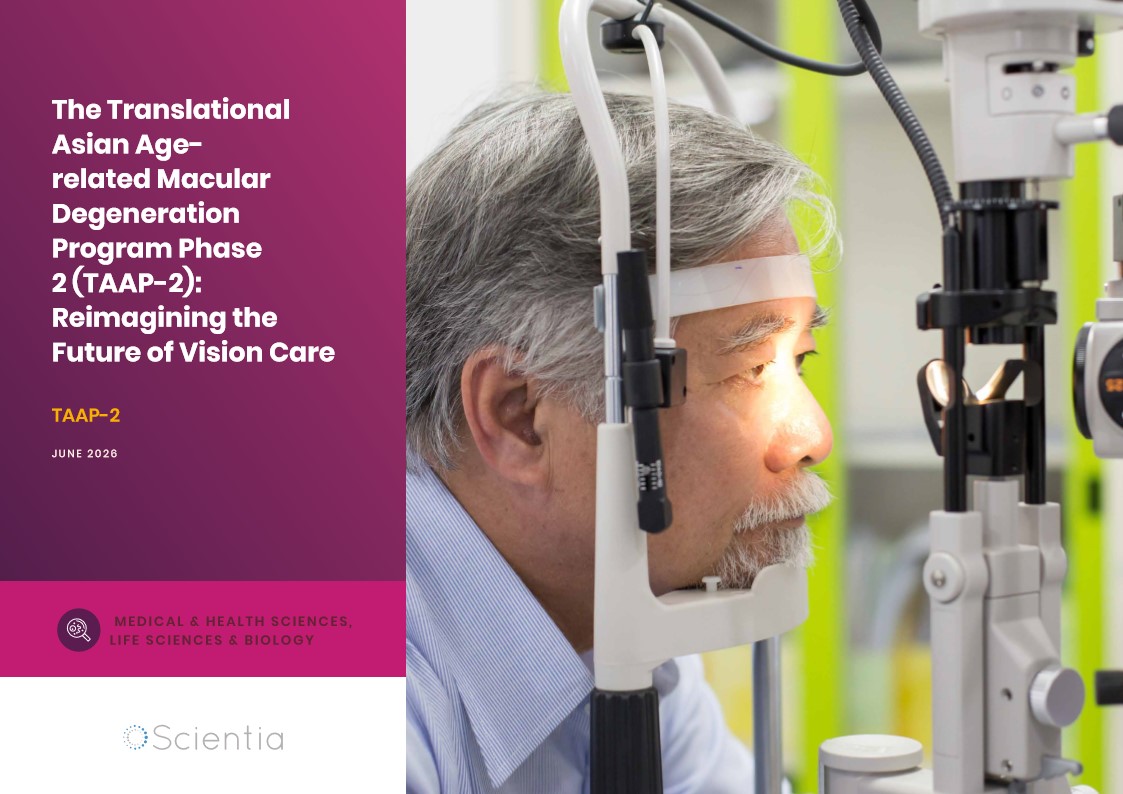
The Translational Asian Agerelated Macular Degeneration Program Phase 2 (TAAP-2): Reimagining the Future of Vision Care
Age-related macular degeneration, often abbreviated as AMD, is one of the leading causes of vision loss among older adults worldwide. In Asia, where populations are ageing rapidly, its impact is particularly profound. For many, the disease quietly erodes central vision, making everyday activities such as reading, driving, and recognising faces increasingly difficult. Against this backdrop, the Translational Asian Age-related Macular Degeneration Programme, or TAAP for short, has emerged as a bold and ambitious effort to confront the disease headon. Now in its second phase, TAAP-2 represents a significant evolution in both scientific scope and clinical ambition.
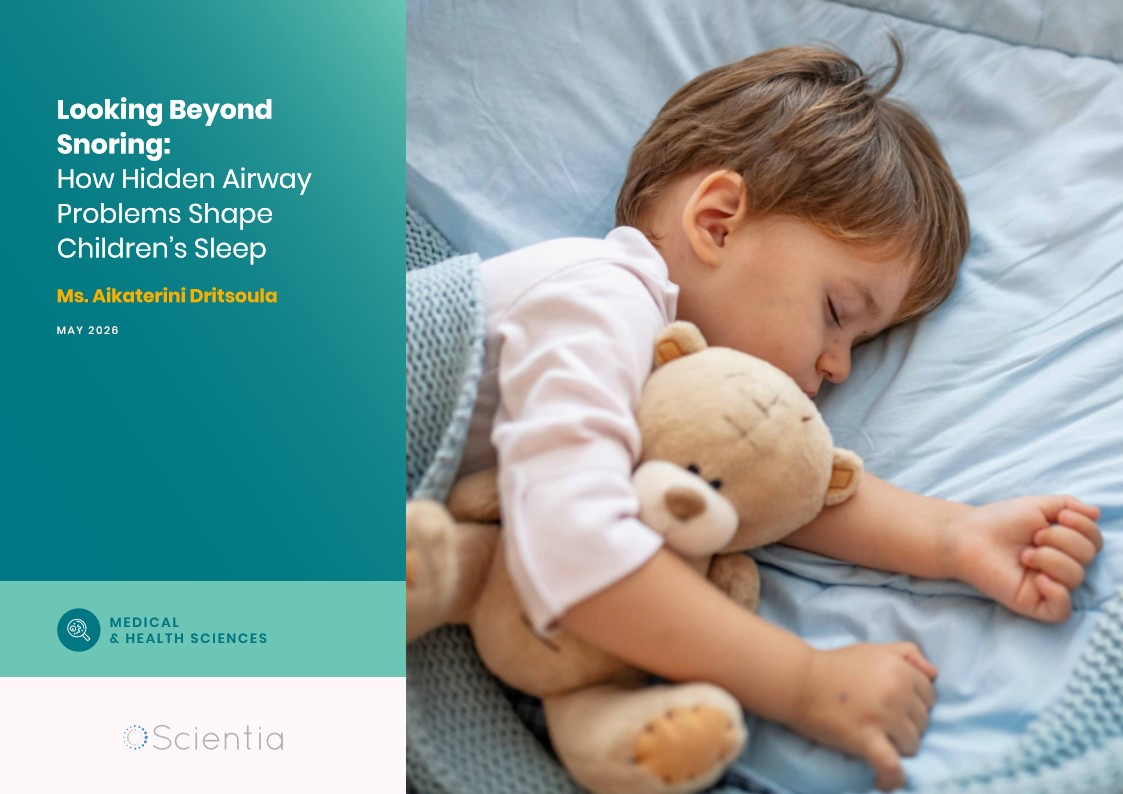
Ms. Aikaterini Dritsoula | Looking Beyond Snoring: How Hidden Airway Problems Shape Children’s Sleep
For many parents, a child’s snoring may seem harmless, even endearing. Yet in some cases, it signals something more serious. Obstructive sleep apnoea is a condition in which a child’s breathing is repeatedly disrupted during sleep. These interruptions can affect growth, behaviour, and learning. Children with this condition may toss and turn at night, struggle to concentrate during the day, or show signs of hyperactivity and fatigue. Traditionally, enlarged tonsils and adenoids have been seen as the main culprits. Surgery to remove them has long been considered the standard treatment. However, research led by Consultant ENT Surgeon Ms. Aikaterini Dritsoula of The Leeds Teaching Hospitals NHS Trust invites us to look deeper. Her work suggests that the story is often more complex, especially in very young children.