
Dr Wilber Sabiiti | Battling Tuberculosis whilst Maintaining the Respiratory Microbiome
In the world of respiratory health, treating tuberculosis infections is an ongoing challenge. Dr Wilber Sabiiti from the University of St Andrews in the UK, delves into the impact of various tuberculosis treatments on the intricate community of microorganisms residing in the respiratory tract. He explores the impact of seven different treatment regimens and their effects on the microbiome, which is crucial for maintaining respiratory health and well-being.
Tackling a Killer Infection
Tuberculosis (TB) is an infectious disease primarily impacting the lungs, caused by the bacteria, Mycobacterium tuberculosis. It is transmitted through the air when individuals with the infection cough or sneeze. Fortunately, TB can be cured with a cocktail of antibiotics – but without treatment, it can be fatal. According to the World Health Organization (WHO), in 2022, 1.3 million people sadly succumbed to the infection. WHO highlights that TB is the second leading killer infection after COVID-19, and ending the TB pandemic is amongst the targets of the United Nations Sustainable Development Goals.
One significant issue with TB is the development of multidrug-resistant strains of the bacteria, where our current antibiotics are no longer effective in treating the infection. WHO describes this as a public health crisis and health security threat. Research into novel antibiotic combinations is ongoing, but unfortunately, these treatments also impact the ‘good’ bacteria that reside in the respiratory tract, which could have critical health consequences further down the line.
Dr Wilber Sabiiti carries out his research in the Division of Infection and Global Health at the School of Medicine in the University of St Andrews, where he investigates new antibiotic combinations and their impact on the respiratory microbiome as well as TB infection.
The Respiratory Microbiome
The respiratory microbiota (the different microorganisms found in the airways) act as a defender of respiratory health by influencing the body’s immune system and providing resistance to harmful microbes that might try to colonise the respiratory tract. Imbalances in the microbiome (the community of microorganisms), known as dysbiosis, can occur due to various diseases and antibiotic use.
Dr Sabiiti explains that the lungs are a non-sterile environment, even for people in good health. The typical diversity in the microbiota of the human lung differs in abundance and prevalence among individuals. Factors such as age, diet, and disease contribute to variations in the microbiome. Conditions like lung cancer and TB are linked to alterations in the microbiome, marked by shifts in certain microbial groups. He adds that a standard first-line treatment for TB, HRZE (a combination of the antibiotics isoniazid, rifampicin, pyrazinamide, and ethambutol) for 2 months followed by 4 months of isoniazid and rifampicin does not seem to affect the overall microbiome diversity but certainly leads to a decrease in the numbers of some immunologically important ‘good’ bacteria.
Dr Sabiiti highlights that this effect on the microbiome could have long-term consequences on the patient’s health. He adds that using shorter courses of antibiotics would lessen the length of time the microbiome is exposed, therefore helping to minimise the damage. As such, TB research is starting to focus on developing new short-term antibiotic regimens.
Exploring Treatment Regimens
In order to gain a deeper understanding of the impact of antibiotic combinations on the respiratory microbiome, Dr Sabiiti and his colleagues investigated seven anti-tuberculosis treatment regimens. He explains that they analysed the sputum of the patients to find out about their microbiome. The team analysed the sputum microbiome of patients with TB who had been treated with six experimental regimens and compared them against that of patients who received standard treatments as part of two clinical trials: HIGHRIF study 2 and PanACEA MAMS-TB trial.
Dr Sabiiti says the experimental antibiotic regimens consisted of different combinations of rifampicin (R), isoniazid (H), pyrazinamide (Z), ethambutol (E), moxifloxacin (M), and a new drug, SQ109 (Q). He adds that they used genetic material (RNA) found in the sputum and a particular method called the Illumina metagenomics technique to identify the genomes and, in turn, the microbes present in the samples. This was followed by further analysis to uncover the differences in the microbiomes, pre and post-treatment with each regimen.

Sparing the Microbiota
Dr Sabiiti explains that 397 pre- and post-treatment sputum samples were taken from seven treatment regimes in total. The team reported that pre-treatment microbiomes were dominated by the bacterial groups, Firmicutes and Streptococcus. Dr Sabiiti highlights that two regimens (HR20mg/kgZM and HR35mg/kgZE), in particular, showed a significant depressing effect on the microbiome following two weeks of treatment. He adds that certain types of bacteria, gram-negative bacteria, were the most sensitive to the killing effects of the antibiotics, with the highest number of species suppressed being in the regimen containing the antibiotic known as moxifloxacin.
The team also found that by the twelfth week after treatment was started, the microbiomes had returned to the pre-treatment levels apart from one regimen (HR35mg/kgZE), and for the Mycobacterium species which did not recover in any regimen used (this was bacteria the treatments were targeting). Dr Sabiiti and his colleagues concluded that out of all the combinations they reviewed, the HR20mg/kgZM regimen was effective in treating TB but without limiting the recovery of the microbiome. He says these data imply that a shorter antibiotic regimen with better outcomes could be achieved without harming the ‘good’ bacteria, the microbiota.
The Future of the Microbiome
Dr Sabiiti notes that whilst the microbiome can recover after exposure to antibiotics, the speed of recovery varies with different treatment plans. Broad-spectrum antibiotics (targeting a wide range of different bacteria) have a significant negative impact on the microbial community, but adjusting the dosage can minimise this effect. He stresses that it is essential to include microbiome analysis when evaluating and approving new antibiotics or treatment combinations.
Their report highlighted that future research, incorporating a large sample size and examining long-term clinical outcomes, is critical to establishing microbiome analysis as a parameter for drug safety in clinical trials. Further exploration is required to determine whether microbiome recovery during antibiotic treatment is due to replenishment from the diet, for example, and not due to the development of antibiotic-resistant genes.
Dr Sabiiti also explains their research has highlighted the importance of utilising RNA instead of DNA to examine the microbiome and its response to antibiotic treatment. RNA reflects cell viability, so it is essential for studying the impact of antibiotics on the microbiota. He adds that these insights enhance our understanding of how novel anti-tuberculosis treatments influence the microbiome, opening up the door for the development of new and improved regimens.
SHARE

DOWNLOAD E-BOOK

REFERENCE
https://doi.org/10.33548/SCIENTIA1181
MEET THE RESEARCHER

Dr Wilber Sabiiti
Division of Infection and Global Health
School of Medicine
University of St Andrews
St Andrews
KY16 9TF
UK
Dr Wilber Sabiiti obtained his BSc in Biochemistry and Zoology from Makerere University, Uganda, and his MSc in Molecular Biology at Vrije Universiteit Brussels, Belgium, in 2008. In 2012, he completed his PhD in Bioscience and Infectious Diseases at the University of Birmingham in the UK. He is currently a Principal Research Fellow in Medicine (Associate Professor) at the University of St Andrews, where he specialises in diagnostic and treatment response biomarkers, antimicrobial resistance, and translating research into policy and practice. He is a member of several colleges of experts and panels, including the National Institute for Health and Care Research College of Experts for the Global Effort on COVID-19, UKRI MRC Applied Global Health Board, Africa Research Excellency Fund, and Commonwealth Scholarship Commission Academic Advisors’ panel. He chairs the St Andrews Africa Health Research (StAAHR) network and co-chairs the Immunology and Diagnostics Expert Working Group of the Coalition for Equitable Research in Low Resource Settings (CERCLE), Geneva, Switzerland, as well as being the academic editor of the East Africa Science and PLoS Global Public Health Journals.
CONTACT
E: ws31@st-andrews.ac.uk
W: https://www.st-andrews.ac.uk/medicine/people/ws31/
X: @SabiitiwWilber, @Infection_StAn
LinkedIn: https://www.linkedin.com/in/dr-wilber-sabiiti-2b8020137/
KEY COLLABORATORS
Professor Stephen H Gillespie, University of St Andrews, UK
Professor Martin Boeree, Radboud University Netherlands & Co-ordinator PanACEA II
Professor Norbert Heinrich, University of Munich, Germany
Professor Gibson Sammy Kibiki, Kilimanjaro Clinical Research Institute, Tanzania/East African Health Research Commission, Burundi/Africa Research Excellency Fund, UK
Dr Nyanda Elias Ntinginya, National Institute for Medical Research, Tanzania
FUNDING
European and Developing Countries Clinical Trials Partnership (EDCTP)
FURTHER READING
E Musisi, A Wyness, S Eldirdiri, et al., Effect of seven anti-tuberculosis treatment regimens on sputum microbiome: a retrospective analysis of the HIGHRIF study 2 and PanACEA MAMS-TB clinical trials, Lancet Microbe, 2023, 4(11), e913–e922. DOI: https://doi.org/10.1016/S2666-5247(23)00191-X

REPUBLISH OUR ARTICLES
We encourage all formats of sharing and republishing of our articles. Whether you want to host on your website, publication or blog, we welcome this. Find out more
Creative Commons Licence (CC BY 4.0)
This work is licensed under a Creative Commons Attribution 4.0 International License. 
What does this mean?
Share: You can copy and redistribute the material in any medium or format
Adapt: You can change, and build upon the material for any purpose, even commercially.
Credit: You must give appropriate credit, provide a link to the license, and indicate if changes were made.
SUBSCRIBE NOW
Follow Us
MORE ARTICLES YOU MAY LIKE

Assoc Prof. Nicholas Brown | Rethinking Prostate Care: A New Frontier in Treating Benign Prostatic Hyperplasia
For millions of men, ageing brings with it a set of frustrating and often disruptive urinary symptoms. These symptoms, caused by benign prostatic hyperplasia, or BPH, can affect sleep, confidence, and overall quality of life. Traditionally, treatment follows a familiar path. Patients begin with medications, often for years, and may eventually progress to surgery if symptoms worsen. Yet this pathway is not without its drawbacks. Medications can cause side effects, while surgery carries risks and recovery time. In recent years, a minimally invasive interventional radiology procedure called prostate artery embolisation, or PAE, has begun to challenge this traditional model. At the forefront of this shift is a collaborative research group, led by Dr. Nicholas Brown of the University of Queensland, whose series of P-EASY studies has explored whether PAE could transform how BPH is treated, particularly at earlier stages.

Jean Lycke | Addressing Unmet Medical Needs in Mucosal Disease: A Close-to-Market Innovation Approach
Recurrent Aphthous Stomatitis (RAS) is an oral condition characterized by one or several painful mucosal ulcers. RAS affects a large proportion of the population and has a point prevalence of approximately 2–3%, daily. The etiology remains unknown, and there is currently no curative treatment. Most patients experience recurring episodes over time, with each episode typically lasting up to a week. Here, we describe the development of a mucoadhesive patch which, when applied over a RAS ulcer, provides rapid pain relief. The patch is easy for patients to apply when symptoms begin and has the potential to be used as an over-the-counter product. The development of the Mucocort mucoadhesive patch is an example of a Close-to-Market innovation strategy that embraces simplicity within a complex healthcare system. By simplifying the product concept, the team has reduced the number of regulatory steps required before market approval. This MedTech/Pharma innovation model, known as the “4R” framework – Re-purposing, Re-formulation, Re-positioning, and Re-patenting – has guided the program from concept to commercialization. In addition to the biodegradable mucoadhesive patch developed for RAS ulcers, the team is extending the innovation concept to a mucoadhesive gel formulation for the prevention and treatment of chemotherapy-induced mucositis. This gel-based program is being commercialized separately through MucoShield.
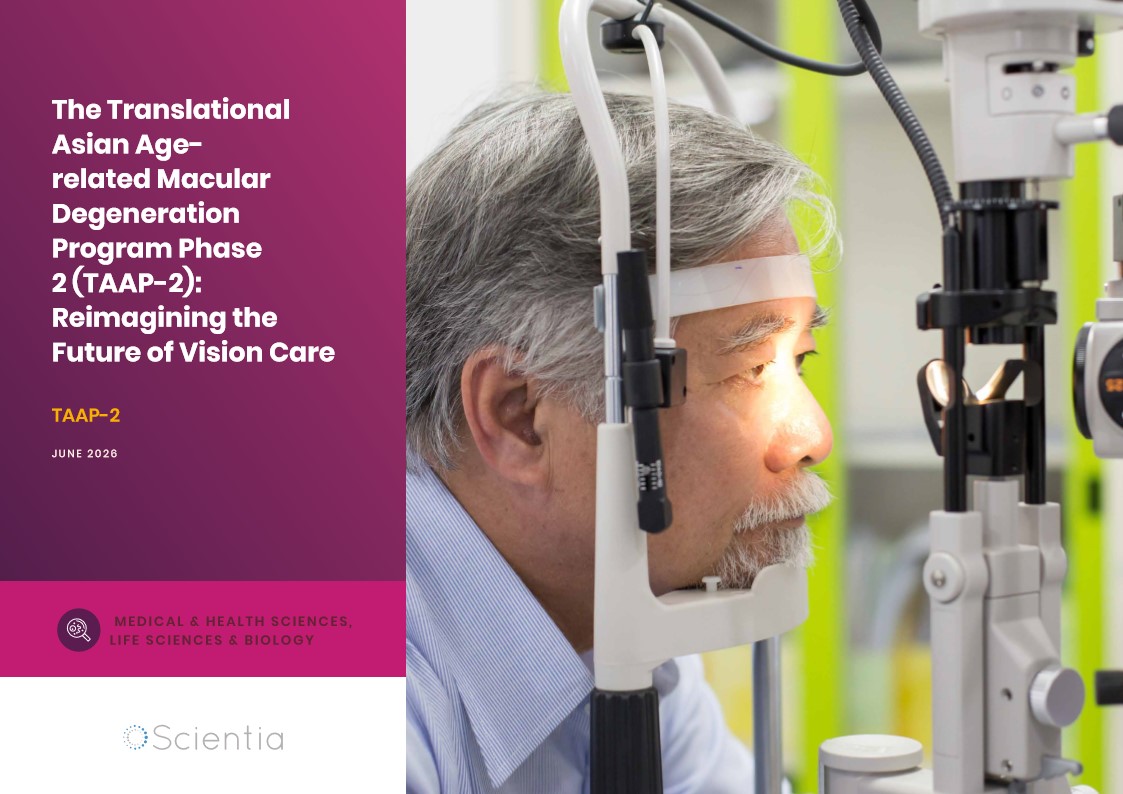
The Translational Asian Agerelated Macular Degeneration Program Phase 2 (TAAP-2): Reimagining the Future of Vision Care
Age-related macular degeneration, often abbreviated as AMD, is one of the leading causes of vision loss among older adults worldwide. In Asia, where populations are ageing rapidly, its impact is particularly profound. For many, the disease quietly erodes central vision, making everyday activities such as reading, driving, and recognising faces increasingly difficult. Against this backdrop, the Translational Asian Age-related Macular Degeneration Programme, or TAAP for short, has emerged as a bold and ambitious effort to confront the disease headon. Now in its second phase, TAAP-2 represents a significant evolution in both scientific scope and clinical ambition.
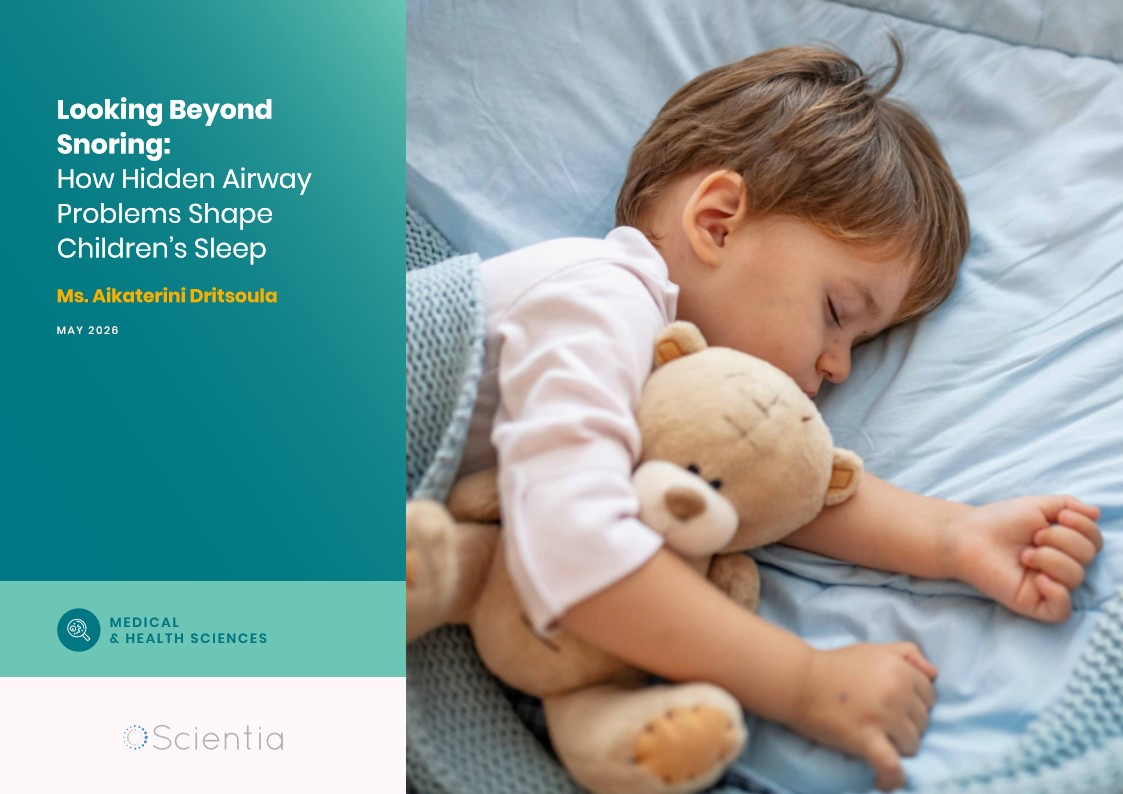
Ms. Aikaterini Dritsoula | Looking Beyond Snoring: How Hidden Airway Problems Shape Children’s Sleep
For many parents, a child’s snoring may seem harmless, even endearing. Yet in some cases, it signals something more serious. Obstructive sleep apnoea is a condition in which a child’s breathing is repeatedly disrupted during sleep. These interruptions can affect growth, behaviour, and learning. Children with this condition may toss and turn at night, struggle to concentrate during the day, or show signs of hyperactivity and fatigue. Traditionally, enlarged tonsils and adenoids have been seen as the main culprits. Surgery to remove them has long been considered the standard treatment. However, research led by Consultant ENT Surgeon Ms. Aikaterini Dritsoula of The Leeds Teaching Hospitals NHS Trust invites us to look deeper. Her work suggests that the story is often more complex, especially in very young children.