
Can Your Personality Shield Your Mind From Ageing? How being open to new experiences might protect against cognitive decline as we age
Many of us have witnessed the troubling effects of ageing on the mind in older friends or family members – the forgotten names, the misplaced keys, the struggle to solve problems that once seemed simple. For decades, scientists have accepted cognitive decline as an inevitable part of growing older. But what if our personality could protect us from some of these changes? A remarkable 25-year study by Dr David Sperbeck, a neuropsychologist at North Star Behavioral Health Hospital in Alaska, has uncovered compelling evidence that certain personality traits might act as a shield against age-related cognitive decline.
The Mind’s Natural Decline
As we age, our brains naturally undergo changes affecting how we think and remember. Processing speed slows, executive functions weaken, and memory becomes less reliable. These changes aren’t necessarily signs of dementia—they’re a normal part of ageing. However, researchers have long observed that people age in very different ways. Some experience significant cognitive decline in their sixties and seventies, whilst others remain sharp well into their nineties. Scientists have identified risk factors that accelerate cognitive decline, including smoking, diabetes, and physical inactivity. But they’ve also discovered protective factors, and personality appears to be one of the most important.
The Curious Mind Advantage
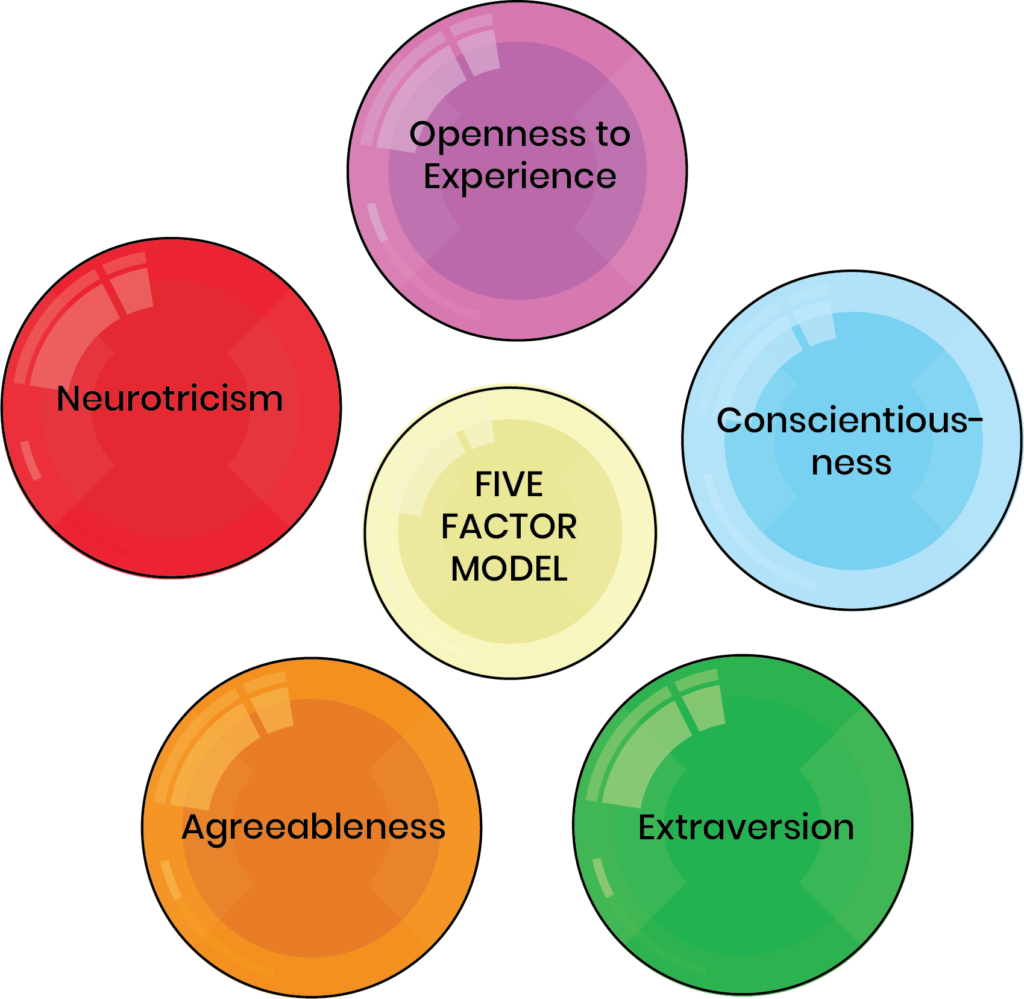
In 1978, psychologists Paul Costa and Robert McCrae introduced the Five Factor Model of Personality, identifying five major personality dimensions. One of these, called ‘Openness to Experience’, has consistently emerged as key in cognitive ageing research.
People high in Openness to Experience tend to be intellectually curious, creative, and imaginative. They enjoy exploring abstract ideas, seeking new experiences, and engaging with complex information. Individuals low in this trait tend to prefer familiar routines, resist change, and exhibit less interest in novel mental activities. This suggests that maintaining mental flexibility may be crucial for preserving cognitive abilities throughout life.
Dr David Sperbeck, a neuropsychologist at North Star Behavioral Health Hospital in Alaska, became fascinated by this connection. Previous studies had hinted at a relationship, but most were too short-term or limited to draw firm conclusions.
A Quarter-Century Investigation
Dr Sperbeck embarked on an ambitious project that would span 25 years and follow the same group of people from middle age into their eighties. Beginning in 1994, he recruited 220 healthy, well-educated volunteers aged 55–57 from various healthcare and social service agencies across Anchorage, Alaska.
The participants were predominantly female (58%) with an average of nearly 16 years of education—a highly educated group that would help control for the known protective effects of education on cognitive function. All participants were employed full-time and in good physical and mental health at the time the study began.
Each volunteer first completed the NEO Personality Inventory, a comprehensive assessment designed to measure their propensity for fantasy, aesthetics, feelings, activities, and abstract thinking. Based on their scores, participants were divided into two groups: 115 scored high in Openness to Experience, whilst 105 scored low.
Then, the real work began. Every five years (in 1995, 2000, 2005, 2010, 2015, and 2020) participants returned to Dr Sperbeck’s clinic for intensive cognitive testing. Each session lasted about an hour and included four carefully chosen tests that measured different aspects of mental function.
Measuring the Mind’s Performance
Dr Sperbeck selected cognitive tests that would reveal how different aspects of thinking changed over time. The Stroop Test challenged participants’ ability to focus and control their responses – a key executive function that helps us stay on task and resist distractions. The Category Test assessed abstract reasoning and concept formation, requiring participants to learn from experience and solve complex problems.
Memory was evaluated through two different approaches. The Digit Span Reverse test measured immediate memory and mental manipulation, which is the ability to hold information in mind whilst working with it. The Bender Visual-Motor Gestalt Test assessed incidental memory by asking participants to recall geometric designs they had copied earlier, testing their ability to remember information they hadn’t deliberately tried to memorise.
These tests were chosen because they are sensitive to even subtle changes in brain function and reflect the kinds of cognitive abilities we rely on in daily life, from following complex instructions to remembering where we parked the car.
The Protective Power of Openness
The results were striking. Throughout the 25-year period, participants high in Openness to Experience consistently outperformed their more closed counterparts on all cognitive measures, maintaining this advantage even as both groups aged. The differences became most apparent in participants’ seventies. Those open to experience continued performing relatively well on tests of executive function, memory, and problem-solving. Meanwhile, their more closed peers showed steep declines, often beginning in their early to mid-seventies.
By the study’s end, when participants reached their early eighties, both groups eventually showed cognitive decline. However, the open participants had essentially gained five to ten years of preserved cognitive function compared to their closed counterparts. The protective effect was particularly pronounced for executive functions, the mental skills helping us plan, organise, and adapt to new situations. This makes intuitive sense, as people enjoying novel experiences throughout life constantly exercise these capabilities.
Understanding the Brain’s Flexibility
Dr Sperbeck believes the key lies in neuroplasticity—the brain’s remarkable ability to change and adapt throughout life. When we engage with new, challenging experiences, our brains form new neural connections. This process, once thought to stop in childhood, continues well into old age.
People naturally open to experience may constantly stimulate this neuroplastic response. Their brains are regularly challenged by novel information and unfamiliar situations. This ongoing mental exercise may help build ‘cognitive reserve’—a buffer protecting against age-related decline.
Recent advances in neuroscience reveal that adult brains can generate new neurons, particularly in the hippocampus, which is crucial for memory formation. Dr Sperbeck suggests that the lifestyle associated with openness, such as seeking new activities, engaging with abstract concepts, and embracing mental challenges, may promote this neurogenesis and help maintain cognitive function.
Lessons and Challenges
Conducting such a long-term study in Alaska presented unique challenges, as 91% of the original volunteers left over the course of 25 years. Many retired Alaskans relocated to warmer climates, whilst others were lost during COVID-19. Despite these challenges, the remaining participants provided valuable insights.
Dr Sperbeck maintained scientific rigour by having a research assistant administer personality assessments, ensuring he remained unaware of participants’ classifications until testing was complete. This ‘blinding’ prevented unconscious bias. The study’s length proved crucial for detecting gradual changes that shorter studies might miss.
Implications for Healthy Ageing
These findings have profound implications for approaching ageing and brain health. They suggest personality traits developed early in life may have lasting effects on cognitive function decades later. More encouragingly, they hint that cultivating openness to experience even later in life might help protect against cognitive decline.
The research supports growing evidence that ‘use it or lose it’ applies to our brains. Just as physical exercise maintains muscle strength, mental exercise through novel experiences and intellectual challenges may preserve cognitive function.

A New Perspective on Ageing
Dr Sperbeck’s investigation offers a hopeful message about ageing. Whilst we cannot stop time’s passage, we may have more control over how our minds age than previously thought. The research suggests that staying intellectually curious, embracing new experiences, and maintaining an open attitude might be among the best investments in our future cognitive health.
As our understanding of personality neuroscience advances, we’re appreciating the profound connections between who we are and how our brains age. The mind that stays curious, it seems, may also stay young.
For millions facing cognitive ageing, this research provides both insight and inspiration. It reminds us that our choices—to explore, to learn, to remain open to new possibilities—may echo through our brains for decades, potentially protecting the very essence of who we are as we grow older.
SHARE

DOWNLOAD E-BOOK

REFERENCE
https://doi.org/10.33548/SCIENTIA1301
MEET THE RESEARCHER

Dr David Sperbeck
Pediatric Neuropsychology Service, North Star Behavioral Health Hospital, Anchorage, Alaska
Dr David J. Sperbeck is a clinical neuropsychologist and forensic psychologist with over four decades of experience in mental health research and practice. He earned his PhD in Clinical Psychology from the University of Rochester in 1982, where he specialised in neuropsychological assessment and ageing research. Dr Sperbeck has held prominent positions including Chief of Pediatric Neuropsychology at North Star Behavioral Health Hospital (2005-2019) and Clinical Professor of Psychiatry at the University of Washington School of Medicine (1985-2020). His research focuses on neurodevelopmental disorders, cognitive ageing, personality factors in neuroplasticity, and forensic psychological assessment. Currently in private practice in Anchorage, Alaska, Dr Sperbeck provides specialised consultation services in threat assessment, law enforcement psychology, and clinical supervision. He has authored over 150 professional papers and maintains active involvement in professional organisations, including the National Academy of Neuropsychology.
FURTHER READING
DJ Sperbeck, Can personality protect against cognitive decline in aging? A 25 year longitudinal study of Experiential Openness and neuroplasticity, and cognitive aging. Journal of Neurology Research, Reviews, & Reports, 2025. DOI: doi.org/10.47.363/JNRRR/2025(7)214.
DJ Sperbeck, SK Whitbourne, and WJ Hoyer, Age and openness to experience in autobiographical memory. Experimental Aging Research, 1986, 12(3), 169-172.
REPUBLISH OUR ARTICLES
We encourage all formats of sharing and republishing of our articles. Whether you want to host on your website, publication or blog, we welcome this. Find out more
Creative Commons Licence (CC BY 4.0)
This work is licensed under a Creative Commons Attribution 4.0 International License. 
What does this mean?
Share: You can copy and redistribute the material in any medium or format
Adapt: You can change, and build upon the material for any purpose, even commercially.
Credit: You must give appropriate credit, provide a link to the license, and indicate if changes were made.
SUBSCRIBE NOW
Follow Us
MORE ARTICLES YOU MAY LIKE

Dr. Colleen Fisher | Singing to the Lions: Tackling Childhood Trauma in Zimbabwe Through Creative Psychosocial Support
Mental health challenges are one of the biggest issues facing children and adolescents across the world, particularly in low-resource settings. In Zimbabwe, a 3-day intervention called Singing to the Lions is helping young people build resilience through creative, traumainformed workshops. Dr Colleen Fisher and colleagues in Zimbabwe and the U.S. led the first formal evaluation of the intervention, offering new insight into how locally grounded intervention approaches can support youth mental health at scale.

Assoc Prof. Nicholas Brown | Rethinking Prostate Care: A New Frontier in Treating Benign Prostatic Hyperplasia
For millions of men, ageing brings with it a set of frustrating and often disruptive urinary symptoms. These symptoms, caused by benign prostatic hyperplasia, or BPH, can affect sleep, confidence, and overall quality of life. Traditionally, treatment follows a familiar path. Patients begin with medications, often for years, and may eventually progress to surgery if symptoms worsen. Yet this pathway is not without its drawbacks. Medications can cause side effects, while surgery carries risks and recovery time. In recent years, a minimally invasive interventional radiology procedure called prostate artery embolisation, or PAE, has begun to challenge this traditional model. At the forefront of this shift is a collaborative research group, led by Dr. Nicholas Brown of the University of Queensland, whose series of P-EASY studies has explored whether PAE could transform how BPH is treated, particularly at earlier stages.

Jean Lycke | Addressing Unmet Medical Needs in Mucosal Disease: A Close-to-Market Innovation Approach
Recurrent Aphthous Stomatitis (RAS) is an oral condition characterized by one or several painful mucosal ulcers. RAS affects a large proportion of the population and has a point prevalence of approximately 2–3%, daily. The etiology remains unknown, and there is currently no curative treatment. Most patients experience recurring episodes over time, with each episode typically lasting up to a week. Here, we describe the development of a mucoadhesive patch which, when applied over a RAS ulcer, provides rapid pain relief. The patch is easy for patients to apply when symptoms begin and has the potential to be used as an over-the-counter product. The development of the Mucocort mucoadhesive patch is an example of a Close-to-Market innovation strategy that embraces simplicity within a complex healthcare system. By simplifying the product concept, the team has reduced the number of regulatory steps required before market approval. This MedTech/Pharma innovation model, known as the “4R” framework – Re-purposing, Re-formulation, Re-positioning, and Re-patenting – has guided the program from concept to commercialization. In addition to the biodegradable mucoadhesive patch developed for RAS ulcers, the team is extending the innovation concept to a mucoadhesive gel formulation for the prevention and treatment of chemotherapy-induced mucositis. This gel-based program is being commercialized separately through MucoShield.
The Translational Asian Agerelated Macular Degeneration Program Phase 2 (TAAP-2): Reimagining the Future of Vision Care
Age-related macular degeneration, often abbreviated as AMD, is one of the leading causes of vision loss among older adults worldwide. In Asia, where populations are ageing rapidly, its impact is particularly profound. For many, the disease quietly erodes central vision, making everyday activities such as reading, driving, and recognising faces increasingly difficult. Against this backdrop, the Translational Asian Age-related Macular Degeneration Programme, or TAAP for short, has emerged as a bold and ambitious effort to confront the disease headon. Now in its second phase, TAAP-2 represents a significant evolution in both scientific scope and clinical ambition.