
Dr George B Stefano | Mitochondria Reconsidered: Unmasking the Ancient Bacterial Legacy in Human Health
Article written by Chris Barton, BSc (Hons), MSc
Although often described simply as the cell’s powerhouse, mitochondria began life as bacteria and still carry many bacterial traits. Dr George Stefano, Visiting Professor at Charles University, Prague, explores whether mitochondria should be seen not only as symbiotic partners but also as the most successful chronic infection in history. He highlights how this perspective sheds light on human resilience, viral tolerance, and long-term health. By reframing mitochondria in this way, Dr Stefano and colleagues invite a broader conversation about ageing, disease, and the fine balance between host and microbe that continues to shape human biology today.
Background: From Ancient Bacteria to Cellular Powerhouses
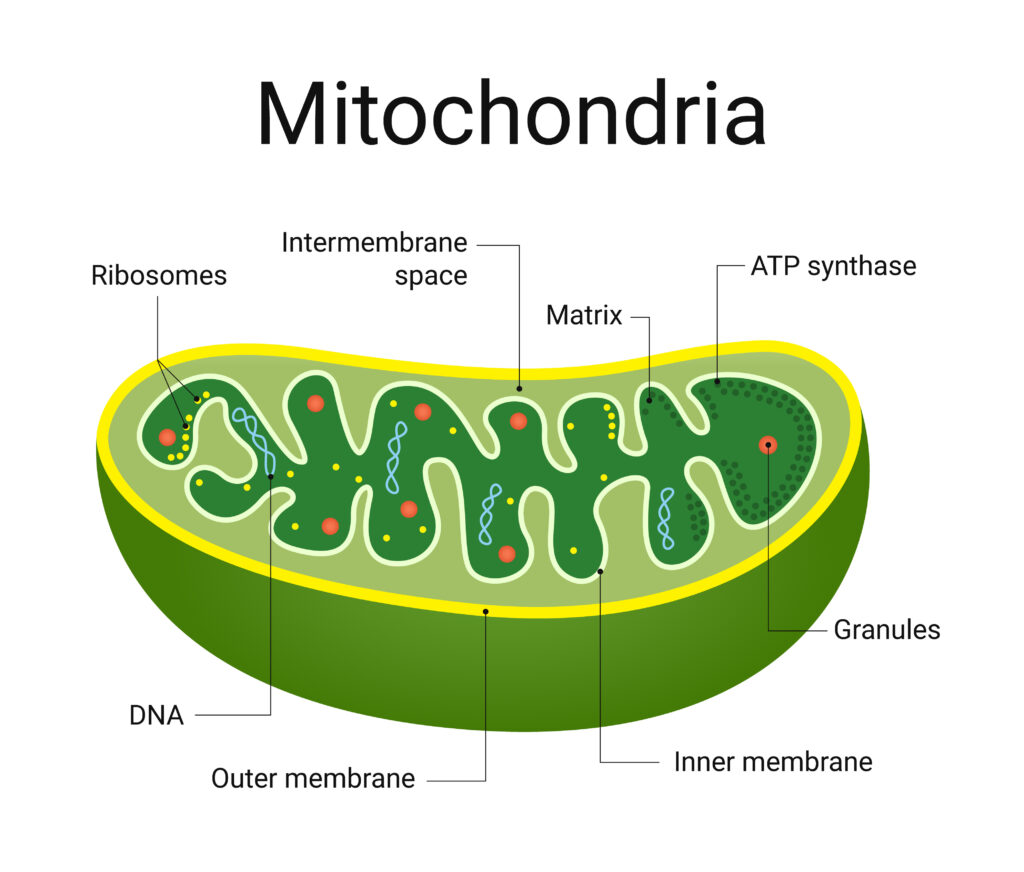
Mitochondria originated more than a billion years ago when an early cell engulfed a bacterium that survived instead of being digested. Over time, this partnership deepened. Most bacterial genes moved into the host cell’s nucleus, while the bacteria themselves evolved into mitochondria. Despite this shift, mitochondria still look and behave like bacteria in many ways. Dr Stefano points out that this ancestry means mitochondria may not simply be harmless companions, but instead represent a tolerated long-term infection that became essential for survival.

New Insights into Mitochondria’s Role
Modern research has revealed that mitochondria are much more than energy suppliers. They help repair DNA, regulate cell death, and manage the body’s immune defences. In bats, for example, mitochondria help balance strong antiviral responses with low inflammation, allowing them to live with viruses that are deadly to other species. Dr Stefano explains that these discoveries show mitochondria as active decision-makers in health, shaping how organisms respond to stress, infection, and ageing.
Gaps in How We Think About Mitochondria
For decades, mitochondria have been described in textbooks as stable partners in cells. This narrative overlooks their bacterial heritage and underestimates their potential for dysfunction. Dr Stefano argues that by continuing to think of mitochondria only as symbionts, we miss the complexity of their role. Like bacteria, they replicate independently, carry their own DNA, and can even survive outside cells in human blood. These traits make them look less like harmless passengers and more like bacteria that never fully left their infectious roots.
Mitochondrial Quality and Human Disease
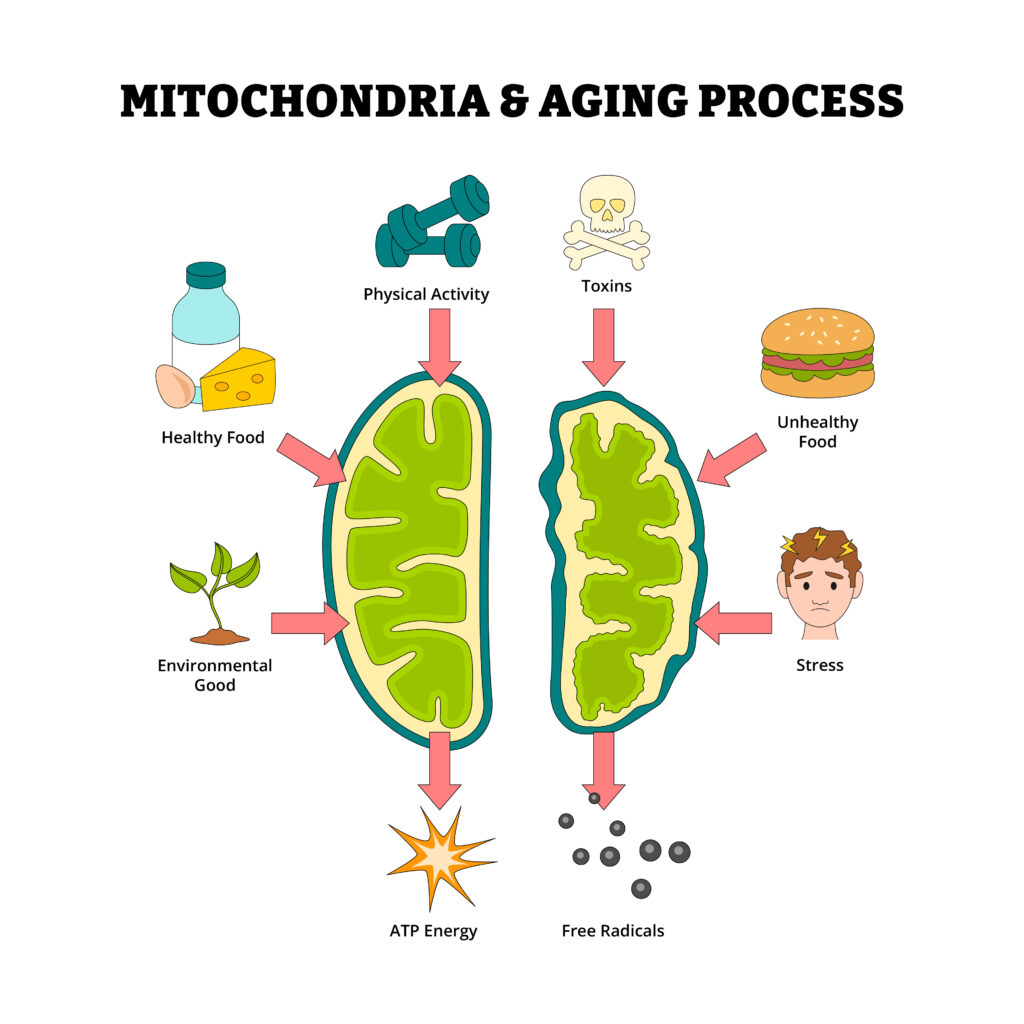
When mitochondria work well, they fuel cells and help maintain balance. But when quality control fails, problems arise. Damaged mitochondria can leak signals that trigger inflammation, contribute to neurodegeneration, or drive metabolic diseases like diabetes. Antibiotics, which target bacteria, can also damage mitochondria by mistake, linking treatment side effects to their shared ancestry. Dr Stefano and team highlight that the quality of mitochondrial function is central to human health and that overlooking this connection risks misinterpreting disease.
A Total System Perspective on Life and Illness
Dr Stefano and colleagues propose a ‘total system’ view of mitochondria, where their actions ripple through every aspect of biology. They are involved in immunity, energy, stress responses, and even how we age. Seeing mitochondria as both essential partners and persistent bacterial lodgers allows us to better understand why they influence so many diseases. Just as histology depends on every step of tissue handling, human health depends on the continuous fine-tuning of mitochondrial behaviour.

What Does the Future Hold: Reframing Mitochondrial Research
Dr Stefano calls for a revaluation of mitochondria’s place in science and medicine. His aim is not to dismiss their life-giving role but to invite dialogue on how their bacterial legacy still shapes us. By recognising mitochondria as both friend and infection, researchers can explore new ways to strengthen resilience, prevent disease, and rethink ageing. This perspective may lead to treatments that protect mitochondria, reduce chronic illness, and help humans live longer, healthier lives.
SHARE

DOWNLOAD E-BOOK
REFERENCE
https://doi.org/10.33548/SCIENTIA1317
MEET THE RESEARCHER

Dr George Stefano
Charles University, Prague, Czech Republic
Dr George B. Stefano is a neuroscientist and biomedical researcher whose career spans more than five decades. He is Visiting Professor in the Department of Psychiatry at Charles University in Prague and Co-Chair of the Mind-Body Medicine Research Council at Witten-Herdecke University in Germany. Earlier in his career, he served as Distinguished Teaching Professor and Director of the Neuroscience Research Institute at the State University of New York and also held research leadership roles at Harvard Medical School’s Mind-Body Medical Institute. He served as Vice Chair of the SUNY Research Foundation Board of Directors, helping steward the systemwide research enterprise. His patents and translational research span Alzheimer’s disease, diabetes, cancer, and mitochondrial therapeutics, with several inventions commercialized.
Dr Stefano has published over 500 peer-reviewed papers in journals such as Science and Nature. His work has uncovered new opioid receptors, advanced understanding of nitric oxide signalling, and highlighted the role of mitochondria in immunity, ageing and chronic disease. Throughout his career, Dr Stefano has secured major funding from the US National Institutes of Health (NIMH, NIDA, Fogarty). His discoveries bridge neuroscience, immunology and integrative medicine. Today, his research focuses on how mitochondrial biology shapes resilience, viral tolerance, and human health throughout life.
Contact
ORCID: 0000-0002-8146-0740
Collaborators
Richard Kream, Neuroscience Research Institute, State University of New York, USA
Pascal Büttiker, First Faculty of Medicine, Charles University, Czech Republic
Martin Anders, First Faculty of Medicine, Charles University, Czech Republic
Tobias Esch, University of Witten/Herdecke, Germany
Maren Michaelsen, University of Witten/Herdecke, Germany
Jiri Raboch, General University Hospital and First Faculty of Medicine, Charles University, Czech Republic
Simon Weissenberger, First Faculty of Medicine, Charles University, Czech Republic
Further Reading
Buttiker P, Stefano GB, Weissenberger S, et al., HIV, HSV, SARS-CoV-2 and Ebola share long-term neuropsychiatric sequelae, Neuropsychiatric Disease and Treatment, 2022, 18, 2229–2237. DOI: https://doi.org/10.2147/NDT.S382308
Das S, Rakshit S, Ahn S, et al., Bat adaptations in inflammation and cell death regulation contribute to viral tolerance, mBio, 2025, 16(2), e03204-23. DOI: https://doi.org/10.1128/mbio.03204-23
Stefano GB, Kream RM, Weissenberger S, et al., Primordial biochemicals within coacervate-like droplets and the origins of life, Viruses, 2025, 17(2), 146. DOI: https://doi.org/10.3390/v17020146
Stefano GB, Weissenberger S, Ptacek R, et al., Viruses and mitochondrial dysfunction in neurodegeneration and cognition: an evolutionary perspective, Cellular and Molecular Neurobiology, 2024, 44(1), 68–82. DOI: https://doi.org/10.1007/s10571-024-01503-3
REPUBLISH OUR ARTICLES
We encourage all formats of sharing and republishing of our articles. Whether you want to host on your website, publication or blog, we welcome this. Find out more
Creative Commons Licence (CC BY 4.0)
This work is licensed under a Creative Commons Attribution 4.0 International License. 
What does this mean?
Share: You can copy and redistribute the material in any medium or format
Adapt: You can change, and build upon the material for any purpose, even commercially.
Credit: You must give appropriate credit, provide a link to the license, and indicate if changes were made.
SUBSCRIBE NOW
Follow Us
MORE ARTICLES YOU MAY LIKE

Jean Lycke | Addressing Unmet Medical Needs in Mucosal Disease: A Close-to-Market Innovation Approach
Recurrent Aphthous Stomatitis (RAS) is an oral condition characterized by one or several painful mucosal ulcers. RAS affects a large proportion of the population and has a point prevalence of approximately 2–3%, daily. The etiology remains unknown, and there is currently no curative treatment. Most patients experience recurring episodes over time, with each episode typically lasting up to a week. Here, we describe the development of a mucoadhesive patch which, when applied over a RAS ulcer, provides rapid pain relief. The patch is easy for patients to apply when symptoms begin and has the potential to be used as an over-the-counter product. The development of the Mucocort mucoadhesive patch is an example of a Close-to-Market innovation strategy that embraces simplicity within a complex healthcare system. By simplifying the product concept, the team has reduced the number of regulatory steps required before market approval. This MedTech/Pharma innovation model, known as the “4R” framework – Re-purposing, Re-formulation, Re-positioning, and Re-patenting – has guided the program from concept to commercialization. In addition to the biodegradable mucoadhesive patch developed for RAS ulcers, the team is extending the innovation concept to a mucoadhesive gel formulation for the prevention and treatment of chemotherapy-induced mucositis. This gel-based program is being commercialized separately through MucoShield.
The Translational Asian Agerelated Macular Degeneration Program Phase 2 (TAAP-2): Reimagining the Future of Vision Care
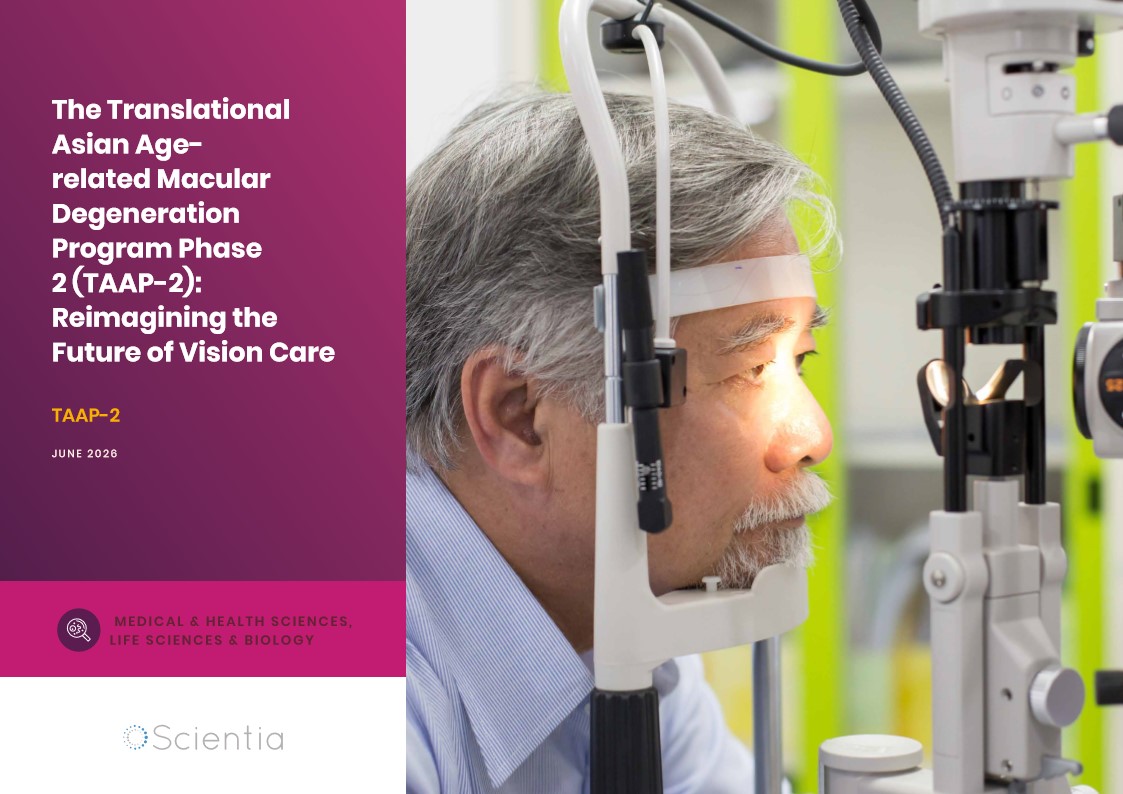
Age-related macular degeneration, often abbreviated as AMD, is one of the leading causes of vision loss among older adults worldwide. In Asia, where populations are ageing rapidly, its impact is particularly profound. For many, the disease quietly erodes central vision, making everyday activities such as reading, driving, and recognising faces increasingly difficult. Against this backdrop, the Translational Asian Age-related Macular Degeneration Programme, or TAAP for short, has emerged as a bold and ambitious effort to confront the disease headon. Now in its second phase, TAAP-2 represents a significant evolution in both scientific scope and clinical ambition.

Professor Michael Yarus | How RNA Started the Conversation That Built Life
The genetic code stores the instructions for building proteins, yet how it first arose remains unclear. It likely did not appear fully formed, but instead emerged step by step from simple chemical interactions. In this study, a team led by Professor Michael Yarus at the University of Colorado Boulder shows how early ribonucleic acid (RNA) molecules could bind specific amino acids, creating the first coding relationships. These early interactions are then refined through evolutionary processes such as duplication and merging of partial codes. By combining the experimental data with computer simulations, the work provides a testable pathway from prebiotic chemistry to the modern genetic code.
Laura Daniela Muñoz Duarte – Jo Philips | Rethinking Hydrogen Use in Acetogenic Bacteria: Kinetics, Thresholds, and Biotechnological Potential
Acetogenic bacteria can convert carbon dioxide and hydrogen into useful products, making them promising tools for sustainable biotechnology. Research led by Laura Muñoz and Jo Philips reveals that hydrogen consumption follows a simpler kinetic pattern than previously assumed, while also uncovering major differences between species in how efficiently they operate at low hydrogen levels. Together, these findings provide a clearer framework for selecting and optimising acetogens for industrial applications.