
Avian necrotic enteritis (NE) is one of the most significant intestinal diseases affecting poultry worldwide, particularly broiler chickens. It causes major economic losses due to reduced growth rates, poor feed efficiency, and high mortality. The disease is caused by the bacterium Clostridium perfringens, specifically pathogenic type G strains. Dr Marie-Lou Gaucher from the Université de Montréal and her collaborators have been relentlessly studying ways to develop an effective vaccine against C. perfringens. Their promising findings may lead to innovative vaccination strategies and new methods to manage NE in poultry flocks.
Understanding the Global Challenge of Necrotic Enteritis
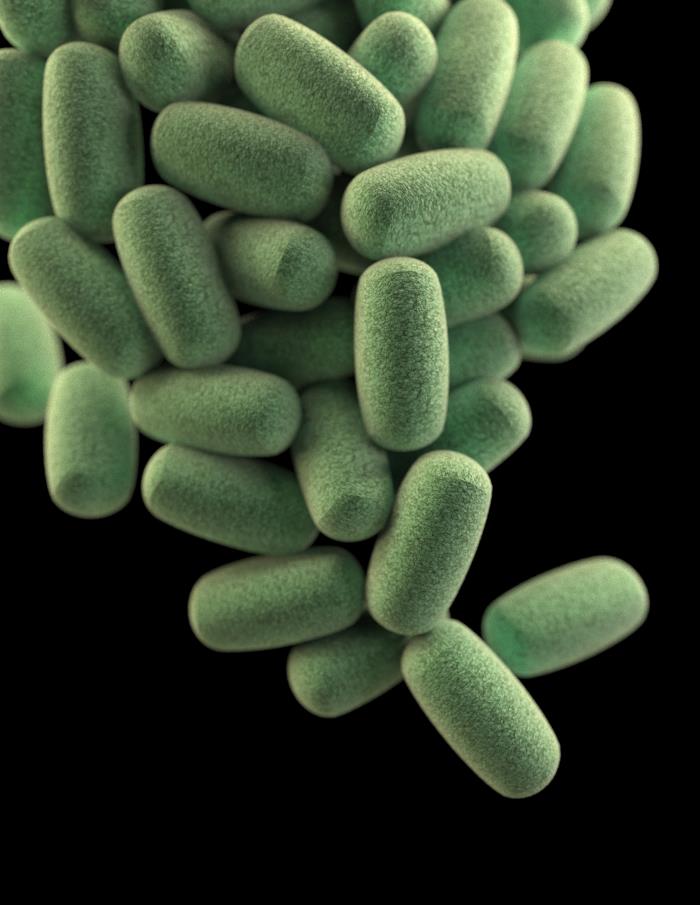
Clostridium perfringens is a Gram-positive spore forming bacterium that naturally exists in food, soil, sewage, and animal faeces. It is also part of the gut microbiota—the community of several microorganisms that live in the intestine and play a vital role in digestion, immunity, and the overall health of its host organism. However, certain virulent and extremely harmful strains of C. perfringens carry toxin-producing genes that can cause severe intestinal diseases. In chickens, these strains can become pathogenic (disease causing) when the gut balance is disturbed.
Disturbed gut microbiota can be caused by infections caused by a protozoa called Eimeria, by a diet rich in non-starch polysaccharides or animal protein, or due to weakened immunity. Under such conditions, C. perfringens release toxins that damage the intestinal mucosal layer and cell lining, leading to inflammation and tissue death. NE remains a persistent problem in poultry production, especially since many countries have restricted or banned the use of antibiotic growth promoters (AGPs). While these restrictions are important for reducing antibiotic resistance in animals and humans, this has unintentionally allowed NE to resurge in commercial poultry flocks.
Impact of NE on the Poultry Industry
Avian NE caused by C. perfringens is a major threat to global poultry production. Since many countries have banned or restricted antibiotic use, the economic impact of NE on the poultry industry has become very significant. Researchers estimate that economic losses of about $6 billion occur each year, affecting nearly 40% of commercial broiler chickens worldwide. Alternatives, like the use of probiotics, prebiotics, and organic acids are available to reduce antibiotic use, but their effectiveness remains inconsistent.
NE starts when the virulent strains of C. perfringens displace the natural healthy strains of bacteria within the intestine. These strains multiply in the intestine under favourable conditions, producing toxins following their attachment to the intestinal mucosa using proteins called adhesion factors. This process damages the protective mucosal layer of the small intestine of the chicken host resulting in inflammation, leakage, poor nutrient absorption, reduced growth, and even sometimes death of the host organism. To address this challenge, Dr Gaucher’s team has been investigating the genetic and molecular mechanisms of C. perfringens infection and NE pathogenesis, to identify potential vaccine targets and better control strategies.

Decoding the Pangenome of C. perfringens
To gain a clearer understanding on how NE develops, Dr Gaucher’s group analysed the genomes (all the genetic information) of C. perfringens isolates obtained from broiler chickens in Quebec province, Canada. The analysis revealed that all strains of C. perfringens exhibit a high degree of genetic diversity. The team analysed the genomes of 41 strains of C. perfringens isolated from both healthy and birds affected with NE. They investigated the pangenome (the full set of genes across all strains) and found 10,223 genes. Only approximately 6.4% (652 genes) of those were ‘core’ genes found in all the strains. This indicates high genetic diversity among strains—even though they came from the same geographical region. Known virulence genes (like netB, NELoc‑1/2/3) and toxin genes appeared in both healthy and diseased bird strains, indicating that the presence of these genes alone does not lead to NE.
Genetic diversity helps bacteria to adapt to diverse environments such as the animal’s gut, soil, and food. The adaptability is driven by mobile genetic elements, that permit the bacteria to transfer virulence or resistance genes between different strains. The researchers also discovered other genetic elements among the strains: 12 antibiotic resistance genes, 17 different plasmid types (small circular DNA pieces that are physically separate from the main genome and transfer genes between bacteria), and 9 prophage regions (dormant viruses that insert their DNA into the bacterial genome and activate under favourable conditions).
Although the study provided valuable insights into the genetic makeup of the bacterium, it could not pinpoint specific markers distinguishing healthy from virulent strains. Key virulence genes were found in both healthy birds and those obtained from NE-affected flocks. These findings suggests that environmental factors, co-infections (such as coccidiosis), and additional genetic elements may also play a key role in NE development. Although the current pangenome analysis explored variable genes, a larger portion remains unexplored and requires further investigation.

Advancing Vaccine Development
With the ban on AGPs, vaccination has become the most cost effective and sustainable strategy to control NE. Researchers are now focusing on identifying the genes and proteins that enable C. perfringens to cause disease. This is a crucial step towards developing effective vaccination strategies.
Traditionally, NE vaccines were developed through classical vaccinology, which involved isolating bacteria in the laboratory, culturing them, and testing the antigens produced during an infection. Antigens are foreign molecules such as toxins, viruses, and membrane-bound proteins – that trigger an immune response in the body. In turn, the immune system produces antibodies, proteins that recognize and fight these antigens. The rise of high-throughput genome sequencing technologies enables researchers to rapidly identify antigens or potential vaccine targets using bioinformatics tools. One such powerful method is the comparative and subtractive reverse vaccinology (CSRV), which helps scientists to rapidly identify unique antigens found only in disease-causing strains. This approach explores bacterial proteins and identifies the most promising antigens for vaccine formulation.
Dr Gaucher’s team used the CSRV approach and identified 14 potential surface-exposed proteins (antigens) unique to NE-causing strains of C. perfringens. They developed and purified five of these proteins as vaccine candidates. These included 2 hypothetical proteins, 2 prepilin proteins (likely involved in bacterial attachment), and 1 non-heme iron protein. The broiler chickens were vaccinated with these antigens and tested. The tests confirmed that the immunized broiler chickens developed specific antibodies capable of recognizing both recombinant (artificially made) and natural forms of these proteins. Although the study focused on the immune response rather than full protection, the results suggest that these surface-exposed proteins are promising vaccine candidates.

Evaluating Vaccine Performance and Immune Response
Earlier NE vaccine studies focused on the alpha-toxin, which was once thought to be the main virulence factor of C. perfringens. However, recent research shows that NE develops through complex interactions between the bacteria, the host, and the gut environment. Dr Gaucher’s team evaluated these factors together to fully understand the disease. Chickens vaccinated with the 5 recombinant proteins were exposed to the virulent bacteria to test how well the vaccines protected them. They also collected samples from the chicken’s caeca, which is a part of the gut, to study how vaccination and infection affected the gut microbiota. The vaccinated birds showed much higher levels of IgY antibodies against the proteins 21 and 33 days after vaccination compared to chickens that did not receive the vaccine.
However, the vaccination did not provide complete protection under the experimental disease model used. The lesion severity within the birds’ small intestine and their body weights did not significantly improve, and the specific role of antibodies in preventing NE remained unclear. Interestingly, vaccination had minimal impact on the overall composition of the caecal microbiota, indicating that it did not disrupt normal bacterial communities, as major microbial families remained similar across vaccinated and control groups.
Although the vaccinated birds developed specific antibodies, the trial showed no significant protection against infection under the tested conditions. So while the tested proteins can trigger immune responses, further studies are necessary to improve effectiveness. The researchers recommend testing different vaccination strategies and infection models to improve protection, and to gain deeper understanding of host–pathogen interactions.

Critical Next Steps
NE in broiler chickens is caused by C. perfringens type G, but disease development depends on multiple factors, such as the bacterial strains, the hosts’ immune system, and the gut environment. Studies show that C. perfringens strains are highly genetically diverse, carrying various virulence genes, plasmids, and prophages. However, the presence of these genes alone does not always cause disease, highlighting the importance of studying the interactions between genetics, environmental, and host factors.
Vaccination studies with 5 newly identified surface‑exposed proteins showed that chickens could produce strong antibody responses without disturbing its gut microbiota. These proteins are promising candidates for vaccine development, but achieving full protection will require further research. The researchers emphasize the need for further studies involving larger, diverse sets of bacterial isolates, as well as proteomic analysis to identify new vaccine targets and vaccination strategies.
The studies highlight the importance of understanding both the bacterial diversity and host immune responses to develop effective vaccines and management strategies for NE in poultry. This research not only brings hope for better poultry health but also provides valuable insights for controlling other complex bacterial diseases in animals. By addressing NE at genetic and immunological levels, scientists are taking significant steps towards healthier chickens and a more sustainable poultry industry.
SHARE

DOWNLOAD E-BOOK

REFERENCE
https://doi.org/10.33548/SCIENTIA1348
MEET THE RESEARCHER

Dr Marie-Lou Gaucher
Department of Pathology & Microbiology, Faculty of Veterinary Medicine, Saint Hyacinthe Campus, Université de Montréal, Quebec, Canada
Dr Marie-Lou Gaucher earned her Doctor of Veterinary Medicine degree from the University of Montreal, Canada, in 2004. She went on to complete both her Master’s and Doctorate in Veterinary Sciences at the same institution. In 2016, she completed a postdoctoral fellowship in bacterial molecular biology and genetics at the University of Guelph. Since 2023, she has served as an Associate Professor in the Department of Pathology & Microbiology within the Faculty of Veterinary Medicine at the University of Montreal, where she also held an Assistant Professor position between 2018 and 2023, as well as a Research Assistant position beginning in 2016.
Throughout her career, Dr Gaucher has specialised in sustainable poultry production, microbial risk assessment, and antimicrobial resistance in animals. She has published extensively in her field and has received significant scholarships and prestigious research funding. Dr Gaucher has been frequently featured in the media where she emphasizes the importance of antibiotic-free poultry and the growing concern over antimicrobial resistance in animals. Through her research, Dr Gaucher is helping to transform poultry rearing and processing practices to ensure safer food from farm to table.
CONTACT
E: marie-lou.gaucher@umontreal.ca
W: https://www.medvet.umontreal.ca/crsv/
KEY COLLABORATORS
Sara Heidarpanah, Université de Montréal
Alexandre Thibodeau, Université de Montréal
Sylvain Quessy, Université de Montréal
Mariela Segura, Université de Montréal
Marcelo Gottschalk, Université de Montréal
Nahuel Fittipaldi, Université de Montréal
Annie Gaudreau, Université de Montréal
Kevin Li, Université de Montréal
Tristan Juette, Université de Montréal
Valeria R. Parreira, University of Guelph
FUNDING
DCL Nutrition & Santé animale
MAPAQ Programme Innov’Action Agroalimentaire Cultivons l’avenir 2 (IA117746)
Mitacs (IT09545)
PATENTS
RECOMBINANT VACCINE PROTEINS FOR THE PREVENTION OF AVIAN NECROTIC ENTERITIS.
Canada. 63/486,749. 2023/02/24.
FURTHER READING
S Heidarpanah, K Li, A Thibodeau, et al., Genomic Diversity and Virulence Factors of Clostridium perfringens Isolated from Healthy and Necrotic Enteritis-Affected Broiler Chicken Farms in Quebec Province, Microorganisms, 2024, 12(12), 2624. DOI: https://doi.org/10.3390/microorganisms12122624
S Heidarpanah, A Thibodeau, VR Parreira, et al., Immunization of broiler chickens with five newly identified surface-exposed proteins unique to Clostridium perfringens causing necrotic enteritis, Scientific Reports, 2023, 13, 5254. DOI: https://doi.org/10.1038/s41598-023-32541-4
S Heidarpanah, A Thibodeau, VR Parreira, et al., Evaluation of the Immunoprotective Capacity of Five Vaccine Candidate Proteins against Avian Necrotic Enteritis and Impact on the Caecal Microbiota of Vaccinated Birds, Animals, 2023, 13(21), 3323. DOI: https://doi.org/10.3390/ani13213323


REPUBLISH OUR ARTICLES
We encourage all formats of sharing and republishing of our articles. Whether you want to host on your website, publication or blog, we welcome this. Find out more
Creative Commons Licence (CC BY 4.0)
This work is licensed under a Creative Commons Attribution 4.0 International License. 
What does this mean?
Share: You can copy and redistribute the material in any medium or format
Adapt: You can change, and build upon the material for any purpose, even commercially.
Credit: You must give appropriate credit, provide a link to the license, and indicate if changes were made.
SUBSCRIBE NOW
Follow Us
MORE ARTICLES YOU MAY LIKE

Jean Lycke | Addressing Unmet Medical Needs in Mucosal Disease: A Close-to-Market Innovation Approach
Recurrent Aphthous Stomatitis (RAS) is an oral condition characterized by one or several painful mucosal ulcers. RAS affects a large proportion of the population and has a point prevalence of approximately 2–3%, daily. The etiology remains unknown, and there is currently no curative treatment. Most patients experience recurring episodes over time, with each episode typically lasting up to a week. Here, we describe the development of a mucoadhesive patch which, when applied over a RAS ulcer, provides rapid pain relief. The patch is easy for patients to apply when symptoms begin and has the potential to be used as an over-the-counter product. The development of the Mucocort mucoadhesive patch is an example of a Close-to-Market innovation strategy that embraces simplicity within a complex healthcare system. By simplifying the product concept, the team has reduced the number of regulatory steps required before market approval. This MedTech/Pharma innovation model, known as the “4R” framework – Re-purposing, Re-formulation, Re-positioning, and Re-patenting – has guided the program from concept to commercialization. In addition to the biodegradable mucoadhesive patch developed for RAS ulcers, the team is extending the innovation concept to a mucoadhesive gel formulation for the prevention and treatment of chemotherapy-induced mucositis. This gel-based program is being commercialized separately through MucoShield.

The Translational Asian Agerelated Macular Degeneration Program Phase 2 (TAAP-2): Reimagining the Future of Vision Care
Age-related macular degeneration, often abbreviated as AMD, is one of the leading causes of vision loss among older adults worldwide. In Asia, where populations are ageing rapidly, its impact is particularly profound. For many, the disease quietly erodes central vision, making everyday activities such as reading, driving, and recognising faces increasingly difficult. Against this backdrop, the Translational Asian Age-related Macular Degeneration Programme, or TAAP for short, has emerged as a bold and ambitious effort to confront the disease headon. Now in its second phase, TAAP-2 represents a significant evolution in both scientific scope and clinical ambition.

Professor Michael Yarus | How RNA Started the Conversation That Built Life
The genetic code stores the instructions for building proteins, yet how it first arose remains unclear. It likely did not appear fully formed, but instead emerged step by step from simple chemical interactions. In this study, a team led by Professor Michael Yarus at the University of Colorado Boulder shows how early ribonucleic acid (RNA) molecules could bind specific amino acids, creating the first coding relationships. These early interactions are then refined through evolutionary processes such as duplication and merging of partial codes. By combining the experimental data with computer simulations, the work provides a testable pathway from prebiotic chemistry to the modern genetic code.
Laura Daniela Muñoz Duarte – Jo Philips | Rethinking Hydrogen Use in Acetogenic Bacteria: Kinetics, Thresholds, and Biotechnological Potential
Acetogenic bacteria can convert carbon dioxide and hydrogen into useful products, making them promising tools for sustainable biotechnology. Research led by Laura Muñoz and Jo Philips reveals that hydrogen consumption follows a simpler kinetic pattern than previously assumed, while also uncovering major differences between species in how efficiently they operate at low hydrogen levels. Together, these findings provide a clearer framework for selecting and optimising acetogens for industrial applications.