
Improving the Immune Response with Intraoperative Cell Salvage
Article written by Luisa Postlethwaite, MPharm
Undergoing surgery comes with many risks. Numerous factors can influence the outcome, from the choice of anaesthesia to the type of operation. Long and complex procedures can require blood transfusions, which introduce yet another risk factor to the mix. Dr Michelle Roets from the Royal Brisbane and Women’s Hospital in Queensland seeks to help mitigate these risks through intraoperative cell salvage, a different type of blood transfusion which could revolutionise surgical outcomes.
Life-Giving Blood
Surgical procedures all have associated risk factors which can influence patient outcomes. If a patient bleeds significantly during an operation, they may require a blood transfusion to replace the lost blood. Blood consists of a complex mixture of specialist cells, from red blood cells tasked with carrying vital oxygen around the body to white blood cells, which form part of the immune system. There are many different types of white blood cells, each with a specific role in the immune response. During and after surgery, the immune system is stimulated or suppressed, and changes in certain types of white blood cells occur.
Dr Michelle Roets works at the Royal Brisbane and Women’s Hospital, and is an Associate Professor in the Faculty of Medicine at the University of Queensland. She explains that the immune response during and after surgery is very complex, adding that an impaired response can result in patients being more likely to experience adverse events like post-operative wound infections and pneumonia. One of the factors which can impact the actions of the immune system is a patient receiving a blood transfusion during surgery.
Intraoperative Cell Salvage
Clinicians can select different blood transfusion techniques. Most will be familiar with allogeneic blood transfusion (ABT) where blood is provided by a donor, which is then given to the patient in need. ABT is an essential part of peri-operative care – the period of time just before, during, and after the surgery – and more than 118.5 million blood donations are collected around the globe each year. However, ABT is not without risk, and despite significant improvement in blood safety, there is still the possibility of incorrect blood components being transfused, lung complications, febrile reactions, and infection-related problems.
Dr Roets is an expert in the process of intraoperative cell salvage (ICS). This is another blood transfusion technique where, rather than using a blood donor, the patient’s own blood is collected, processed, and reinfused during an operation using specialist equipment. In this autologous blood transfusion, the blood lost during the operation is cleaned from contaminants, debris and clots by the cell salvage equipment, and the red blood cells are then returned to the patient.
ICS is recommended for specific procedures and has been shown to reduce the need for ABT. A further advantage is that it seems to provide immunological benefits as well as result in improved patient outcomes. Transfusion-related immune modulation (TRIM) is a term used to describe adverse outcomes in patients after ABT. This is commonly known to occur, but why it happens and how to confirm the specific changes in the immune system when it happens, is largely a mystery.
Limited Understanding of the Immune Changes
Many transfusion-related adverse outcomes after surgery are linked to the immune response and TRIM. Post-operative infections are a potential consequence of TRIM, with some patients developing this complication which can lead to sepsis, a leading cause of death in intensive care patients.
We have only a limited understanding of the changes that occur within the immune system, the mechanisms of suppression during transfusion and the exact risks of developing infections over the peri-operative period. The immune system has many different methods of defence against pathogens. Some white blood cells engulf pathogens, destroying them; others produce antibodies which attach to pathogens, highlighting them for destruction. Some types of white blood cells retain a memory of pathogens they find, allowing for a swift immune response if it is ever encountered again. Dr Roets and her team sought to understand the changes in the immune cell numbers and functions associated with traditional ABT and ICS.

The TRIMICS Cell Study
Dr Roets and her colleagues conducted a ‘transfusion related immune modulation and intraoperative cell salvage cell numbers’ (TRIMICS) study. The team analysed the peri-operative changes in the numbers and proportions of different immune cell populations, white blood cells such as monocytes, T cells, and neutrophils. They had three study groups: patients who received no transfusion, patients who received only ICS, and patients who received both ICS and red blood cells (pRBC/ABT), all during major orthopaedic surgery.
Significant changes in immune cell populations occurred immediately after surgery and at 48 hours post-surgery. Specifically, neutrophils increased and lymphocytes reduced post-operatively, and both returned to their pre-operative levels by 48 hours post-surgery. When the before- and after-surgery samples of the three different transfusion groups were compared, changes were not significant for the patients who did not have a transfusion. However, significant changes were found in the numbers of leucocytes, neutrophils and lymphocytes in both transfusion groups (i.e., ICS alone and ICS plus pRBC). The numbers and functions of one type of immune cell – dendritic cells (DC) –changed in a different way following ICS compared to ICS plus pRBC, and a sub-type (called pDC) were relatively well preserved post-operatively after ICS.
The Future of Transfusion Research
The data collection in Dr Roets’s study included methods never used before in TRIM research, accounting for how their findings showed some significant changes in immune cell subpopulations and functional characteristics in patients receiving ICS. As such, potential future avenues of investigation have now been opened. The post-operative increase in monocyte numbers in the ICS plus pRBC groups, and changes in subpopulations of dendritic cells, whilst considering post-operative adverse outcomes, should be explored further.
Further investigation of changes in immune cell subpopulations during the peri-operative period in association with different blood transfusion techniques may provide valuable insights into the evaluation and prediction of infection-related adverse events. Being armed with more information about the links between the immune system, transfusions, and outcomes, could help clinicians to minimise risks and optimise the care of patients undergoing complex surgery.
SHARE

DOWNLOAD E-BOOK

REFERENCE
https://doi.org/10.33548/SCIENTIA1268
MEET THE RESEARCHER

Dr Michelle Roets
Department of Anaesthesia, Royal Brisbane and Women’s Hospital, Brisbane, Queensland, Australia
Dr Michelle Roets obtained her Bachelor of Medicine and Surgery from the University of Pretoria in South Africa, and her Master’s degree in Clinical Research Administration from Walden University in the USA. In 2024, she completed her PhD at the University of Queensland in Australia. She is currently a consultant anaesthetist at the Royal Brisbane and Women’s Hospital, and an intraoperative cell salvage (ICS) and equipment expert within the Metro North Hospital and Health Services. She is also the co-author of the National Australian Guidance documents for the Provision of ICS with the National Blood Authority in Australia. Additionally, she holds the position of Associate Professor at the University of Queensland, where she supports research and education for medical students in ICS, blood transfusion, and the development and implementation of equipment in anaesthesia. Dr Roets works to provide scientific evidence for and to encourage the development of ICS to protect national and international blood product supplies, as well as to reduce adverse patient outcomes and related costs.
CONTACT
E: m.roets@uq.edu.au
W: https://about.uq.edu.au/experts/14517
KEY COLLABORATORS
Dr Melinda Dean, Faculty of Medicine, University of Queensland, Australian Red Cross Lifeblood, Kelvin Grove, School of Health, University of the Sunshine Coast, Australia
Professor David Sturgess, Faculty of Medicine, University of Queensland, Department of Anaesthesia, Surgical Treatment and Rehabilitation Service, Australia
Thu Tran, Australian Red Cross Lifeblood, Australia
Dr Maheshi Obeysekera, Australian Red Cross Lifeblood, Australia
Dr Alexis Perros, Australian Red Cross Lifeblood, Australia
Dr John-Paul Tung, Faculty of Medicine, University of Queensland, Australian Red Cross Lifeblood, Faculty of Health, Queensland University of Technology, Australia
Professor Robert Flower, Australian Red Cross Lifeblood, Australia
Professor Andre van Zundert, Department of Anaesthesia, Royal Brisbane and Women’s Hospital, Faculty of Medicine, University of Queensland, Faculty of Health, Queensland University of Technology, Australia
FUNDING
PhD scholarship grant from the Australian National Blood Authority (Lyneham, Australian Capital Territory, Australia)
PhD scholarship and project grant from the Australian and New Zealand College of Anesthetists (ANZCA) (Melbourne, Victoria, Australia)
Open access publication fee from the National Blood Authority (NBA), Canberra, Australian Capital Territory (ACT), 2602, Australia and sample analysis from the Australian Red Cross Lifeblood (ARCLB) (Herston, Brisbane, Queensland, Australia): ‘The Australian government funds Australian Red Cross Lifeblood to provide blood, blood products and services to the Australian community’.
FURTHER READING
M Roets, D Sturgess, T Tran, et al., Intraoperative cell salvage: The impact on immune cell numbers, PLoS ONE, 2023, 18(8), e0289177. DOI: https://doi.org/10.1371/journal.pone.0289177

REPUBLISH OUR ARTICLES
We encourage all formats of sharing and republishing of our articles. Whether you want to host on your website, publication or blog, we welcome this. Find out more
Creative Commons Licence (CC BY 4.0)
This work is licensed under a Creative Commons Attribution 4.0 International License. 
What does this mean?
Share: You can copy and redistribute the material in any medium or format
Adapt: You can change, and build upon the material for any purpose, even commercially.
Credit: You must give appropriate credit, provide a link to the license, and indicate if changes were made.
SUBSCRIBE NOW
Follow Us
MORE ARTICLES YOU MAY LIKE
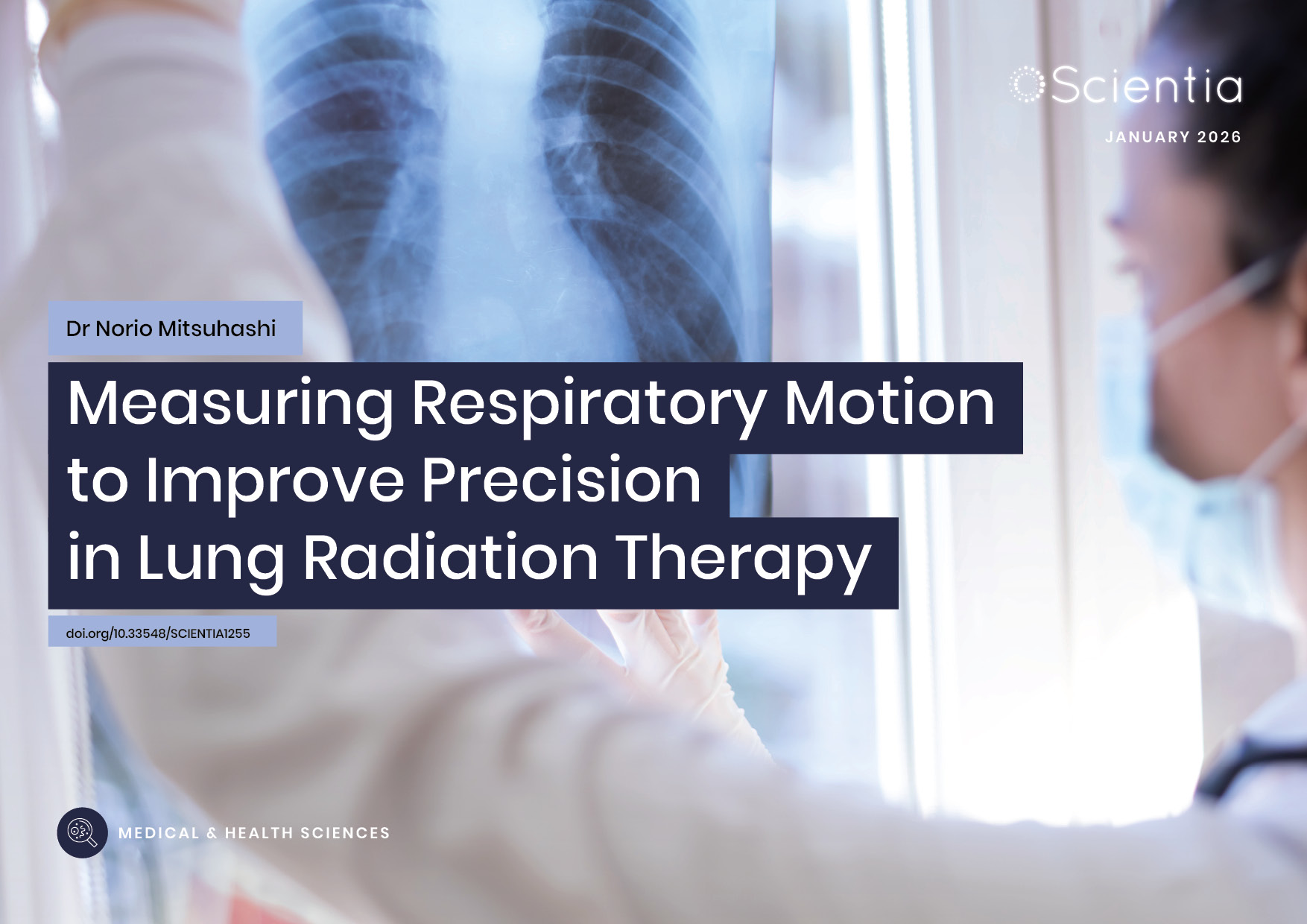
Dr Norio Mitsuhashi | Measuring Respiratory Motion to Improve Precision in Lung Radiation Therapy
Dr Norio Mitsuhashi, former Professor of the Department of Radiation Oncology at Tokyo Women’s Medical University, leads revolutionary clinical research into optimising stereotactic body radiation therapy for lung cancer. Dr Mitsuhashi and his colleagues examine whether routinely available patient and tumour characteristics can predict respiratory tumour motion, a critical source of uncertainty in high precision radiotherapy. Their findings suggest that respiratory motion cannot be reliably inferred, and must instead be measured directly in every patient.

Professor Terry C. Hrubec | Clean is good – but is too clean better?
Quaternary ammonium compounds are a large class of compounds used as disinfectants in hospitals, restaurants, healthcare and animal care facilities, and are popular as household cleaners. With disease outbreaks increasing our fears about infections, the use of disinfectants has skyrocketed in recent years. Understandably, we all want to feel safe. However, as Professor Terry Hrubec from the Department of Biomedical Sciences of E. Via College of Osteopathic Medicine discovered, such products may be causing more harm than good.
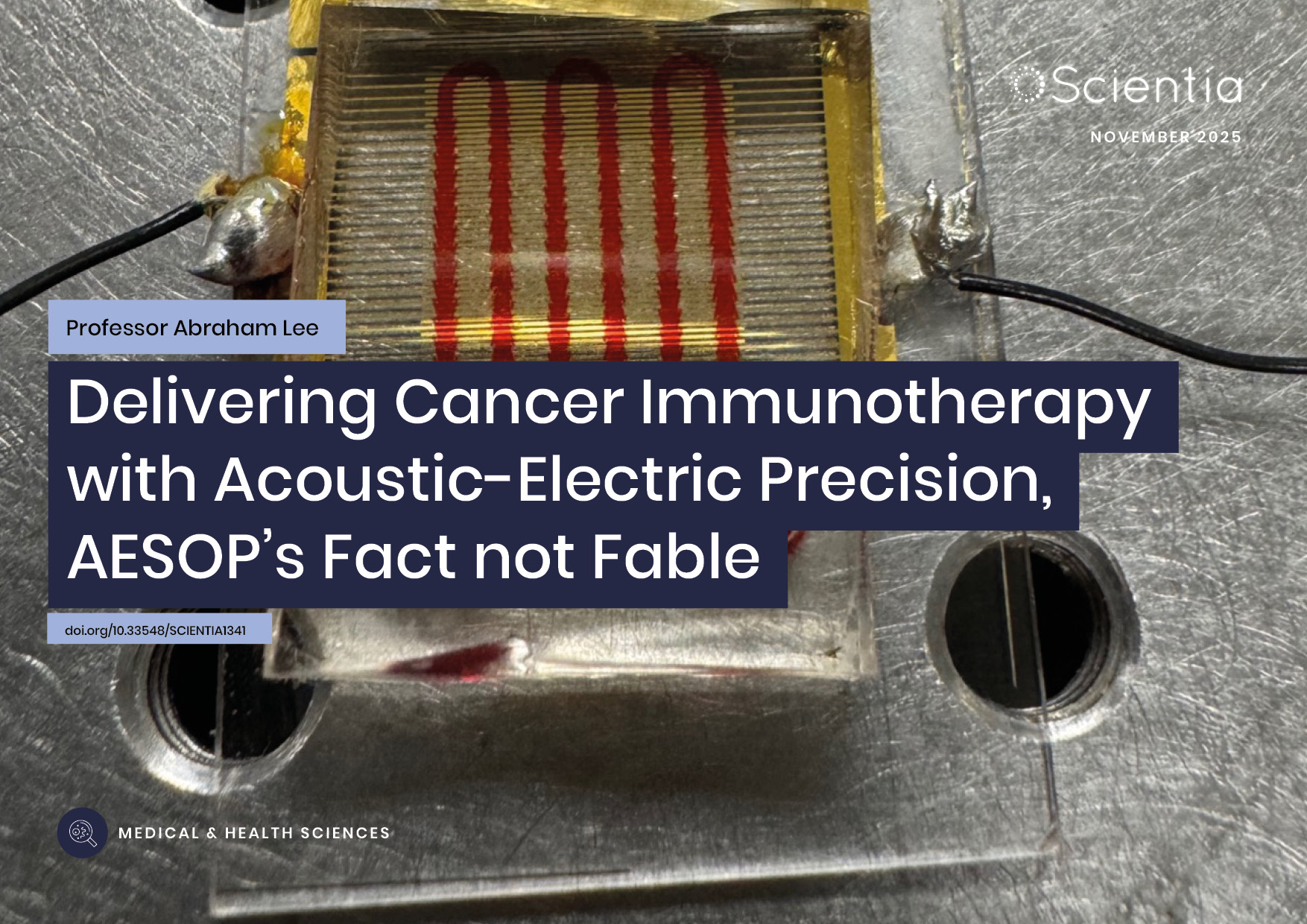
Professor Abraham P. Lee | Delivering Cancer Immunotherapy with Acoustic-Electric Precision, AESOP’s Fact not Fable
Chimeric Antigen Receptor (CAR) T-cell therapy offers life-saving potential, particularly against blood cancers, but severe side effects such as cytokine release syndrome (CRS) limit its safety. These toxicities are linked to uncontrolled CAR expression levels on the T-cell surface. Led by Professor Abraham P. Lee, researchers at the University of California, Irvine, have developed an advanced microfluidic system, called the Acoustic-Electric Shear Orbiting Poration (AESOP) platform, to precisely control the dose of genetic material delivered into primary T cells. This innovation promises safer, more homogeneous, and highly effective cellular immunotherapies.
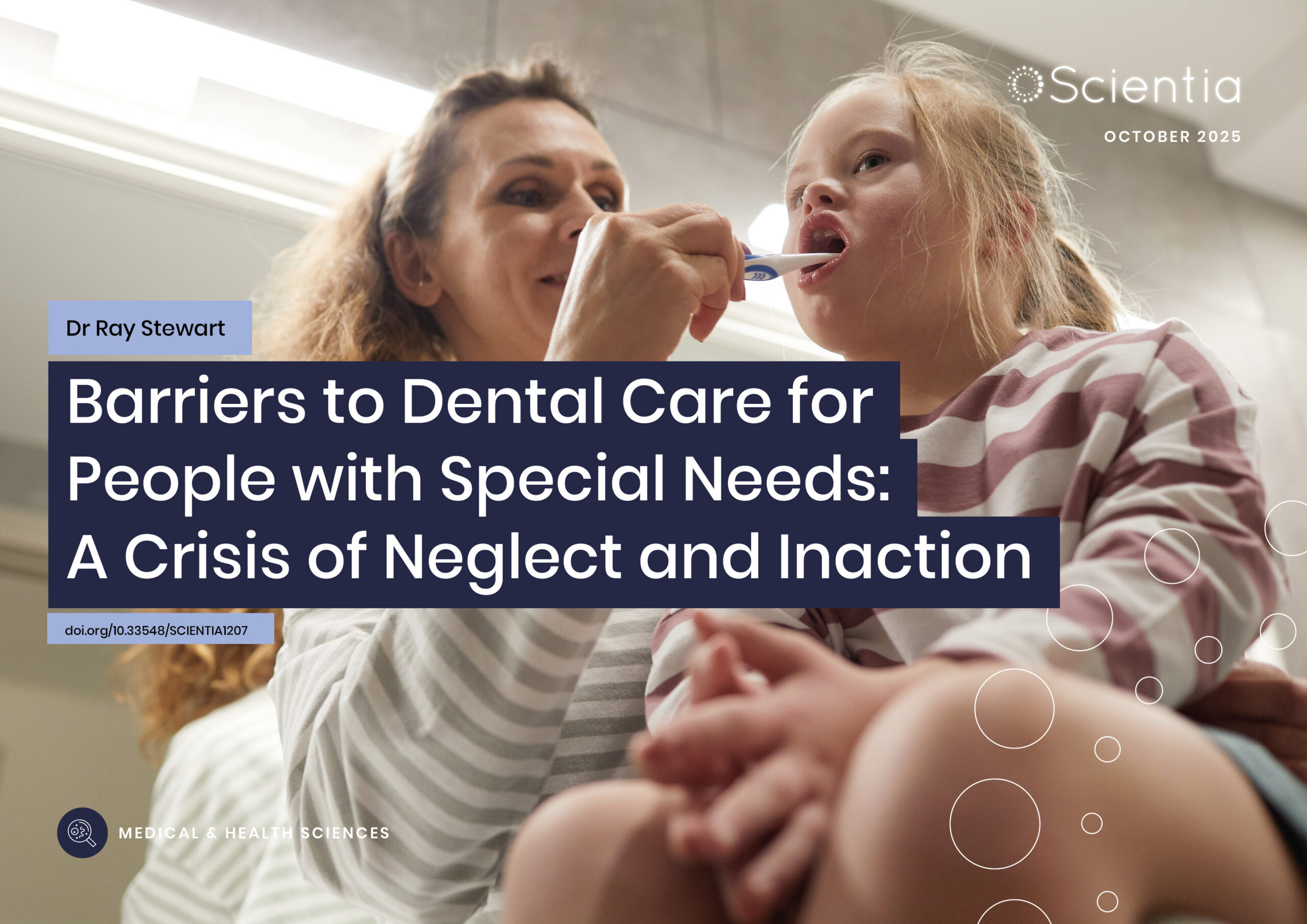
Dr Ray Stewart | Barriers to Dental Care for People with Special Needs: A Crisis of Neglect and Inaction
For people with special healthcare needs, something as basic as visiting a dentist can be nearly impossible. A ground-breaking paper by researchers at the University of California, San Francisco (UCSF) exposes the scale of this crisis. By outlining potential paths forward, Dr Ray Stewart and Dr Ben Meisel offer hope for significant improvements in access to essential dental care.