
Article written by Christopher Gwenin, PhD
Nourishing Note
New research led by Dr Nathaniel R. Johnson of UND and his mentors at NDSU, Drs Julie Garden-Robinson and Sherri Stastny, reveals a strong link between protein type and mental health in older adults. Analysing data from 637 North Dakotans aged 50+, the study found that self-reported average meal patterns that included lean proteins, like chicken, fish, eggs, and legumes, were associated with fewer days of depression and anxiety. In contrast, processed meats such as bacon and deli slices correlated with increased mental distress, especially in rural communities. These findings suggest that protein quality may significantly influence emotional well-being in later life, offering a simple, everyday strategy to support mental health, one nourishing meal at a time.
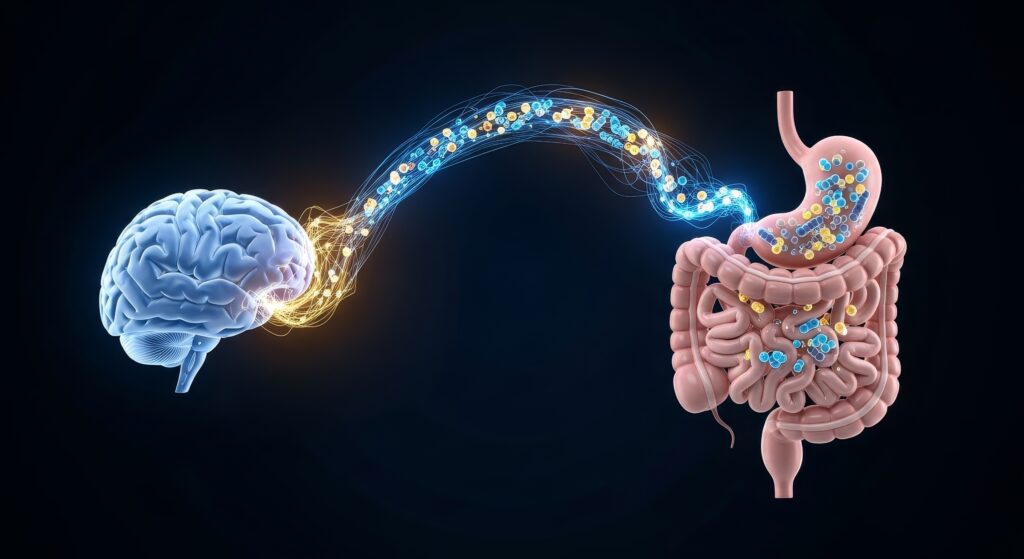
Protein and Mood: A Deeper Connection
Protein is essential for energy, muscle repair, and body function. However, its influence on mental health, especially in older adults, has only recently begun to receive serious attention. Millions of people over 50 experience low mood, anxiety, or emotional fatigue. While therapy and medication are often part of the conversation, diet is a quieter player, one that may hold more power than we realise.
A new study from Drs Johnson, Garden-Robinson, and Stastny shows that not all proteins are equal. The team compared lean proteins (like poultry, fish, eggs, beans, and lentils) with processed meats (such as hot dogs, bacon, and cold cuts) to see how they related to mental health. The results were clear: older adults who ate more lean protein had fewer days marked by depression or anxiety. Those who consumed more processed meats tended to report more mentally unhealthy days.
It’s not just about nutrition; it’s about how food interacts with the brain, influences mood, and affects our ability to cope with stress, especially in later life.
Rural vs Metro: A Hidden Divide
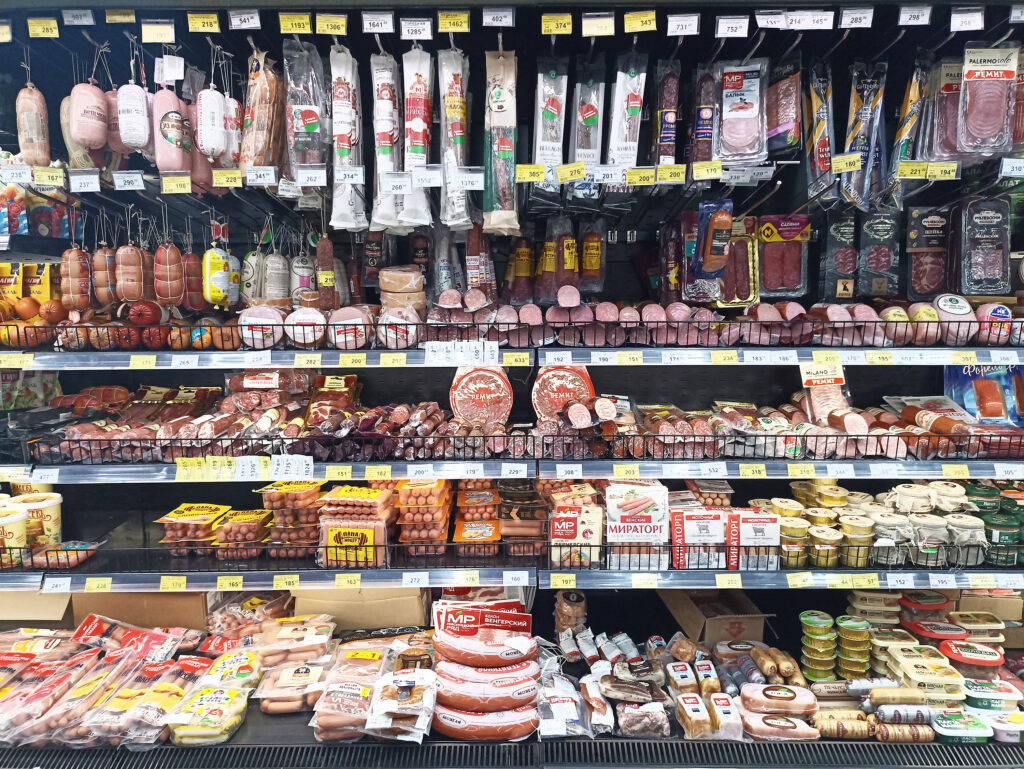
One of the most striking aspects of the study was the difference between rural and metro populations. Older adults living in rural areas were more likely to report being unable to carry out daily activities due to poor mental health. They also tended to eat more processed meats and slightly less lean protein than their metro counterparts.
This rural-urban divide in both diet and mental health suggests that access, habits, and cultural norms may shape how people eat and how they feel. In rural communities, limited access to fresh food, fewer grocery options, and economic constraints may lead to a reliance on processed meats, which are often cheaper and more shelf-stable. These factors can compound existing health disparities, making it harder for older adults to maintain both physical and mental well-being.
This disparity also raises important questions about food availability, education, and support systems in rural areas. If lean proteins are protective, then ensuring access to them could be a key public health strategy, not just for nutrition, but for emotional resilience and quality of life.
Why Protein Quality Matters
Most dietary advice focuses on how much protein we eat. These researchers’ work highlights that the type of protein we choose may be just as important.
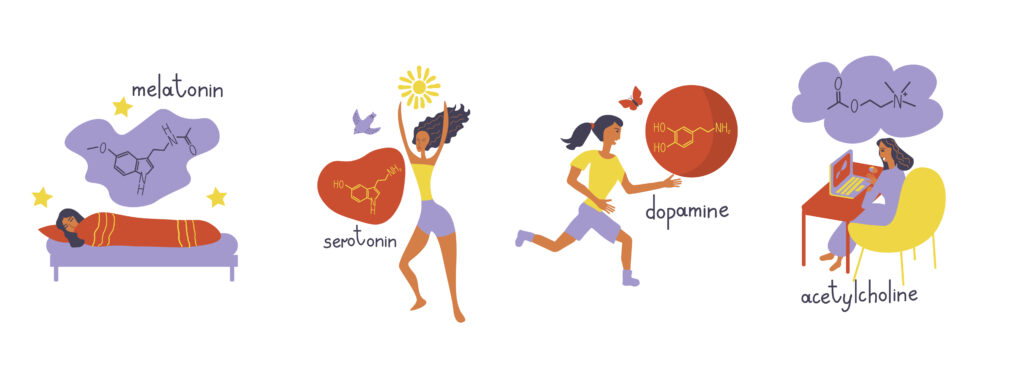
Protein isn’t just fuel; it’s a source of amino acids, which help the brain produce chemicals like serotonin and dopamine. These chemicals regulate mood, motivation, and emotional balance. Lean proteins tend to be rich in beneficial amino acids like tryptophan and tyrosine. Both amino acids are building blocks for emotional regulation. Tryptophan leans toward soothing and stabilising your mood, while tyrosine supports focus and stress response. Their balance and the quality of protein sources can shape how older adults feel, cope, and connect day to day; in essence, they support the production of mood-enhancing neurotransmitters.
Processed meats, however, are often high in salt, saturated fats, and preservatives. These additives may contribute to inflammation and stress responses in the body, factors that can worsen mental health. In short, lean proteins nourish the brain. Processed meats may do the opposite. And for older adults, whose bodies may be more sensitive to dietary imbalances, this distinction becomes even more important.
Mapping Mood Through Meals
The research team surveyed 637 adults aged 50 and older across North Dakota, asking about their dietary habits and mental health over the past month. They used validated tools from national surveys to assess food intake and mental well-being, including questions about depression, anxiety, and the ability to perform daily tasks. Participants were grouped based on their intake of lean proteins and processed meats. The researchers then looked for patterns in mental health outcomes.
Here’s what they found:
Lean Protein Intake
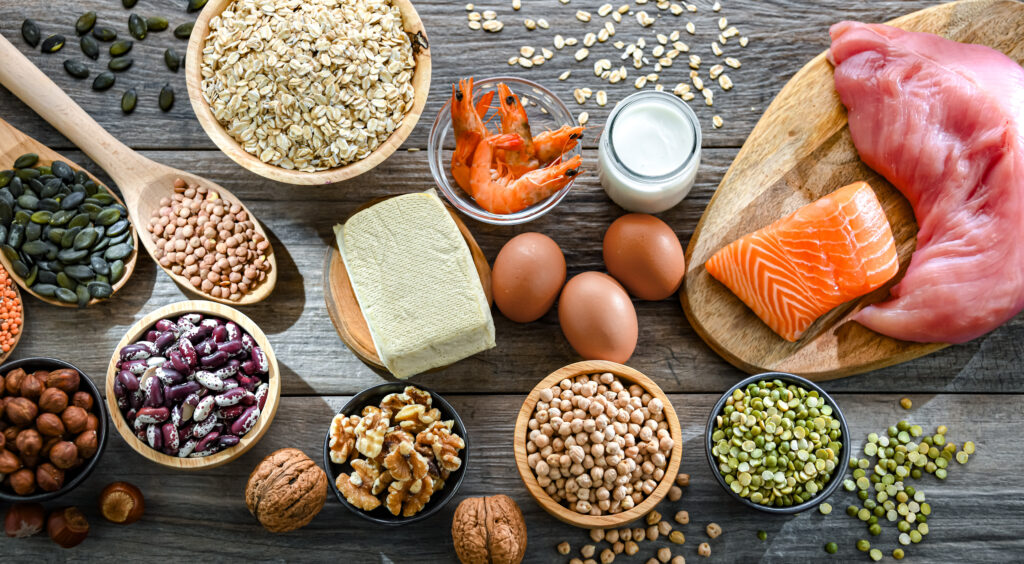
- Higher lean protein intake was linked to fewer days of depression and anxiety.
- Foods included chicken, fish, eggs, beans, lentils, and other legumes.
- These foods support the brain’s ability to produce chemicals that regulate mood and focus.
Processed Meat Intake
- Higher intake of processed meats was associated with more days of anxiety.
- Foods included sausages, hot dogs, bacon, and deli meats.
- These items may increase inflammation and stress in the body, which can affect mental health.
Importantly, the study controlled for other factors such as age, gender, education, physical activity, and fruit intake. This helped isolate the impact of protein quality on mental health.
Food for Thoughtful Ageing
Mental health challenges in later life are often under-recognised. Many older adults face loneliness, chronic illness, or reduced mobility, all of which can affect emotional well-being. Their study offers a hopeful message: small dietary changes may help. Choosing lean proteins over processed meats could be a simple, accessible way to support mental health. No need for expensive supplements or complex diets, just thoughtful choices at mealtimes.
For clinicians, carers, and community organisers, this research provides a practical tool. Encouraging lean protein intake could become part of broader strategies to support mental health in ageing populations. It also opens the door to more inclusive public health messaging, one that recognises the role of food not just in physical health, but in emotional and cognitive resilience. For older adults navigating life transitions, grief, or isolation, this could be a gentle and empowering intervention.
From Plate to Peace of Mind
There’s still more to learn. The team are now exploring how different amino acids work together, and whether long-term dietary changes can lead to lasting improvements in mental health. But one thing is already clear: what we eat affects how we feel, not just physically, but mentally and emotionally too.
Prof Johnson and his team offer a practical takeaway: lean proteins may help protect against stress, low mood, and mental fatigue. Processed meats, if consumed too often, could make things worse.
The idea that food and mental health are connected is no longer just a theory; it’s becoming a well-supported reality. A simple shift in protein choices could mean fewer bad days, greater emotional resilience, and a healthier, happier population of older adults.
One meal at a time.
SHARE

DOWNLOAD E-BOOK
REFERENCE
https://doi.org/10.33548/SCIENTIA1322
MEET THE RESEARCHERS

Julie Garden-Robinson
North Dakota State University Extension, Fargo, ND, USA
Prof. Julie Garden-Robinson, a registered dietitian and Extension Specialist at NDSU, holds advanced degrees in cereal chemistry and food technology. Since 1997, she’s written Prairie Fare, a weekly nutrition column. She leads award-winning, grant-funded programmes in nutrition and food safety, blending public health, accessibility, and emotional well-being. A Certified Master Gardener and Food Safety Modernization Act trainer , she also co-leads the North Central Region Food Safety Network and served as 2022–23 NEAFCS president.
CONTACT
E: Julie.Garden-Robinson@ndsu.edu
W: https://www.ndsu.edu/agriculture/extension/extension-topics/food-and-nutrition
X: https://www.facebook.com/NDSUExtFood/

Sherri Nordstrom Stastny
North Dakota State University, Department of Health, Nutrition, and Exercise Sciences, Fargo, ND, USA
Prof. Sherri Nordstrom Stastny, a registered dietitian and gerontologist, teaches Nutrition Science and Dietetics at North Dakota State University. With over 30 years of experience, she leads courses in food science, sports nutrition, and foodservice management. Her research focuses on sustainable behaviour change with functional nutrition in ageing populations. She champions practical, evidence-based nutrition using whole, local ingredients, fostering active participation and lifelong well-being through accessible strategies.
CONTACT
W: https://www.ndsu.edu/hnes/people
X: https://www.facebook.com/search/top/?q=nourish

Nathaniel R. Johnson
University of North Dakota, Department of Nutrition and Dietetics, Grand Forks, ND, USA
Dr. Nathaniel R. Johnson, Assistant Professor at the University of North Dakota, researches protein intake, food insecurity, disability, and rural health. He teaches nutrition and research methods, leads the North Dakota Nutrition Council, and serves on disability and food security committees. Motivated by chronic illness, his work blends emotional intelligence, accessibility, and community relevance, with publications in Nutrients, Sensors, and Journal of Clinical Medicine, and features on Sirius XM and The Conversation.
CONTACT
E: Nathaniel.Johnson.4@und.edu
W: https://cnpd.und.edu/admissions-academics/nutrition-dietetics/faculty.html
X: https://www.facebook.com/UNDCNPD
KEY COLLABORATORS
We would like to acknowledge the work and dedication of extension agents and staff.
FUNDING
North Dakota State University, Fargo, ND, USA
University of North Dakota, Grand Forks, ND, USA
USDA-NIFA Rural Health and Safety Education Competitive Grants Program
FURTHER READING
Johnson, N., Garden-Robinson, J., & Stastny, S. (2024). Differential Intakes of Lean Proteins and Processed Meats Drive Differences in Mental Health Between Rural and Metro Adults 50 Years and Older. Nutrients, 16(18), 3056. https://doi.org/10.3390/nu16183056
https://www.ndsu.edu/agriculture/extension/programs/nourish




REPUBLISH OUR ARTICLES
We encourage all formats of sharing and republishing of our articles. Whether you want to host on your website, publication or blog, we welcome this. Find out more
Creative Commons Licence (CC BY 4.0)
This work is licensed under a Creative Commons Attribution 4.0 International License. 
What does this mean?
Share: You can copy and redistribute the material in any medium or format
Adapt: You can change, and build upon the material for any purpose, even commercially.
Credit: You must give appropriate credit, provide a link to the license, and indicate if changes were made.
SUBSCRIBE NOW
Follow Us
MORE ARTICLES YOU MAY LIKE
Dr Norio Mitsuhashi | Measuring Respiratory Motion to Improve Precision in Lung Radiation Therapy
Dr Norio Mitsuhashi, former Professor of the Department of Radiation Oncology at Tokyo Women’s Medical University, leads revolutionary clinical research into optimising stereotactic body radiation therapy for lung cancer. Dr Mitsuhashi and his colleagues examine whether routinely available patient and tumour characteristics can predict respiratory tumour motion, a critical source of uncertainty in high precision radiotherapy. Their findings suggest that respiratory motion cannot be reliably inferred, and must instead be measured directly in every patient.

Professor Terry C. Hrubec | Clean is good – but is too clean better?
Quaternary ammonium compounds are a large class of compounds used as disinfectants in hospitals, restaurants, healthcare and animal care facilities, and are popular as household cleaners. With disease outbreaks increasing our fears about infections, the use of disinfectants has skyrocketed in recent years. Understandably, we all want to feel safe. However, as Professor Terry Hrubec from the Department of Biomedical Sciences of E. Via College of Osteopathic Medicine discovered, such products may be causing more harm than good.

Professor Abraham P. Lee | Delivering Cancer Immunotherapy with Acoustic-Electric Precision, AESOP’s Fact not Fable
Chimeric Antigen Receptor (CAR) T-cell therapy offers life-saving potential, particularly against blood cancers, but severe side effects such as cytokine release syndrome (CRS) limit its safety. These toxicities are linked to uncontrolled CAR expression levels on the T-cell surface. Led by Professor Abraham P. Lee, researchers at the University of California, Irvine, have developed an advanced microfluidic system, called the Acoustic-Electric Shear Orbiting Poration (AESOP) platform, to precisely control the dose of genetic material delivered into primary T cells. This innovation promises safer, more homogeneous, and highly effective cellular immunotherapies.

Dr Ray Stewart | Barriers to Dental Care for People with Special Needs: A Crisis of Neglect and Inaction
For people with special healthcare needs, something as basic as visiting a dentist can be nearly impossible. A ground-breaking paper by researchers at the University of California, San Francisco (UCSF) exposes the scale of this crisis. By outlining potential paths forward, Dr Ray Stewart and Dr Ben Meisel offer hope for significant improvements in access to essential dental care.