
Physical Sciences & Mathematics
Dr Peter Evans – Retro-Causality: Unravelling the Mysteries of Quantum Cosmology
Despite many years of research aiming to unite quantum mechanics with cosmological theories, researchers in fields across physics and philosophy remain in disagreement about a solution. Now, Dr Peter Evans at the University of Queensland sheds new light on the debate. He argues that on quantum scales, the idea of cause and effect does not need to follow the one-way passage of time, as we understand it. If correct, his theories could dispel some of the most puzzling mysteries of quantum theory – a significant step forward in understanding the true nature of the universe.
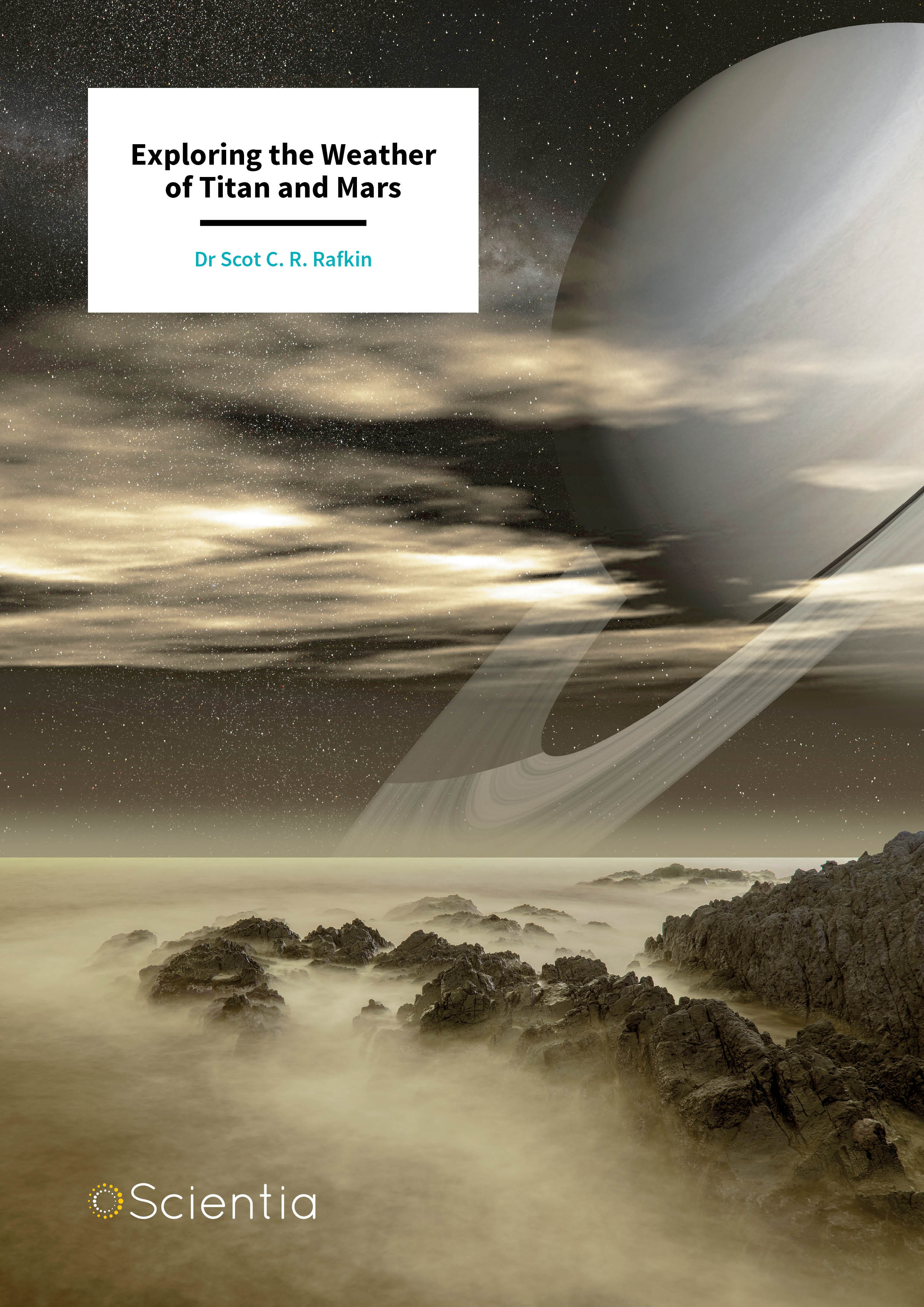
Dr Scot Rafkin – Exploring the Weather of Titan and Mars
The moons and rocky planets of our Solar System may be remote, unfamiliar worlds, but even on the very strangest of them, the weather on those with atmospheres is not wholly unlike our own. Dr Scot Rafkin, a planetary scientist at the Southwest Research Institute, believes that the small-scale patterns their atmospheres exhibit are directly comparable with Earth’s weather. Based on the results of computer models simulating the atmospheres of Titan and Mars, he argues that these local and regional behaviours are significantly underappreciated in planetary science.
CERN’s Future Circular Collider
Geneva-based particle physics research centre, CERN, plans to build a £20bn particle accelerator that is almost four times longer than today’s largest and most powerful accelerator, the Large Hadron Collider (LHC). At 100 kilometres long, this ‘Future Circular Collider’ (FCC) will be able to accelerate particles to unprecedented speeds, leading to collisions that are 10 times more energetic than those achieved on the LHC. Measurements taken from such collisions will help scientists in solving several longstanding mysteries in physics, such as the nature of dark matter. In this exclusive interview, we speak with CERN physicist Dr Matthew McCullough, who tells us about CERN’s plans for the FCC, its remarkable capabilities, and the new physics that he is most excited to explore.
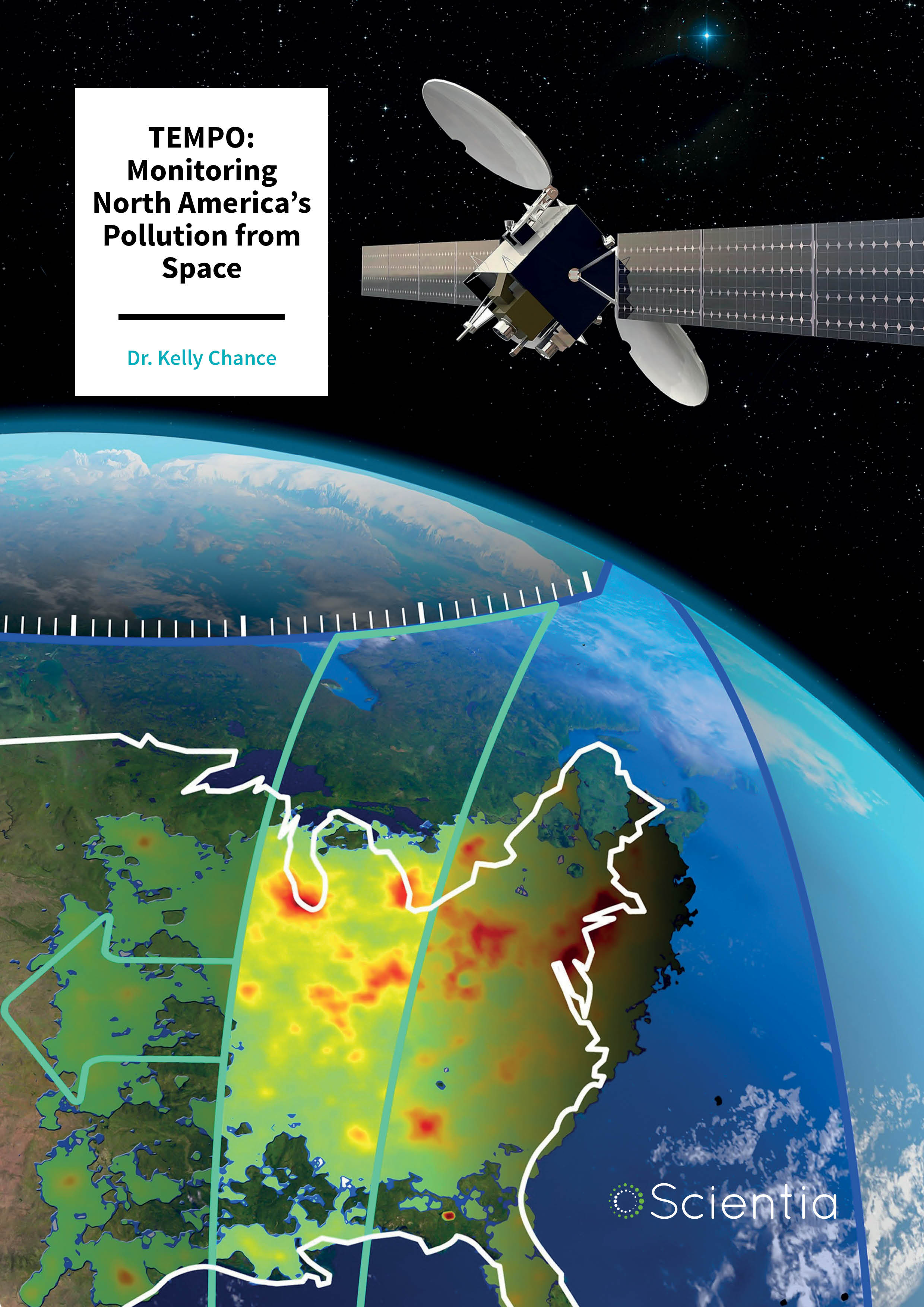
TEMPO: Monitoring North America’s Pollution from Space
Created by sources ranging from campfires to cargo ships, air pollution is incredibly difficult to track. This has meant that the full impacts of air pollution are almost impossible to assess, but a solution is on the horizon. The TEMPO instrument (tempo.si.edu), built by Ball Aerospace to Smithsonian Astrophysical Observatory specifications and managed by the NASA Langley Research Center, will soon provide an all-encompassing view of pollution across North America. As part of a global constellation of satellite air quality missions, TEMPO will soon provide us with the most extensive view of pollution ever achieved, along with its impacts, allowing us to tackle it more effectively than ever before.
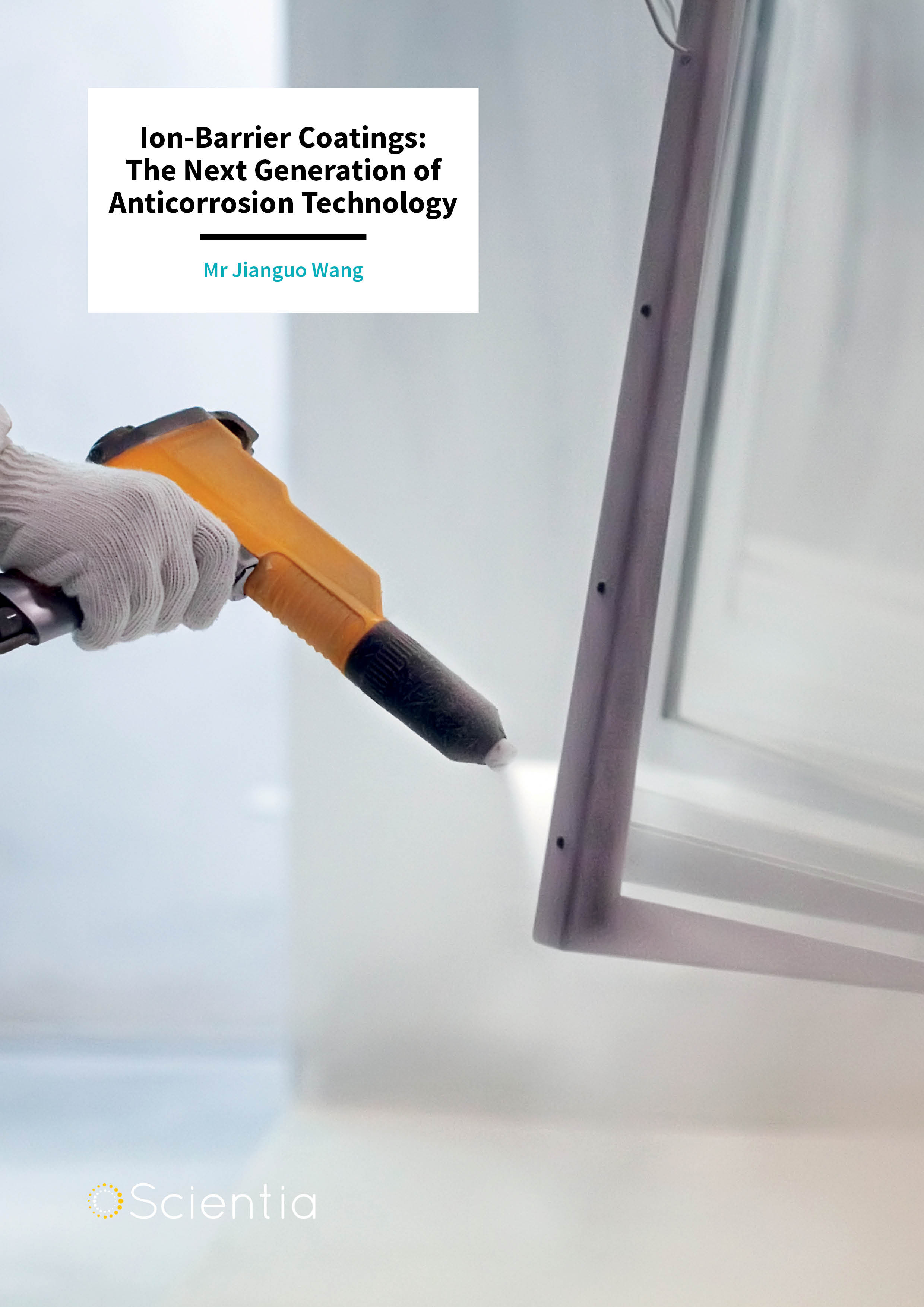
Jianguo Wang – Ion-Barrier Coatings: The Next Generation of Anticorrosion Technology
Corrosion, the gradual destruction of metals, is a significant physical and economic problem worldwide. Traditional heavy metal-based coatings used to protect metals are now viewed negatively due to their impact on the environment. Research led by Jianguo Wang of AnCatt Inc reveals why ion-barrier coatings are the next generation of anticorrosion coating technology.
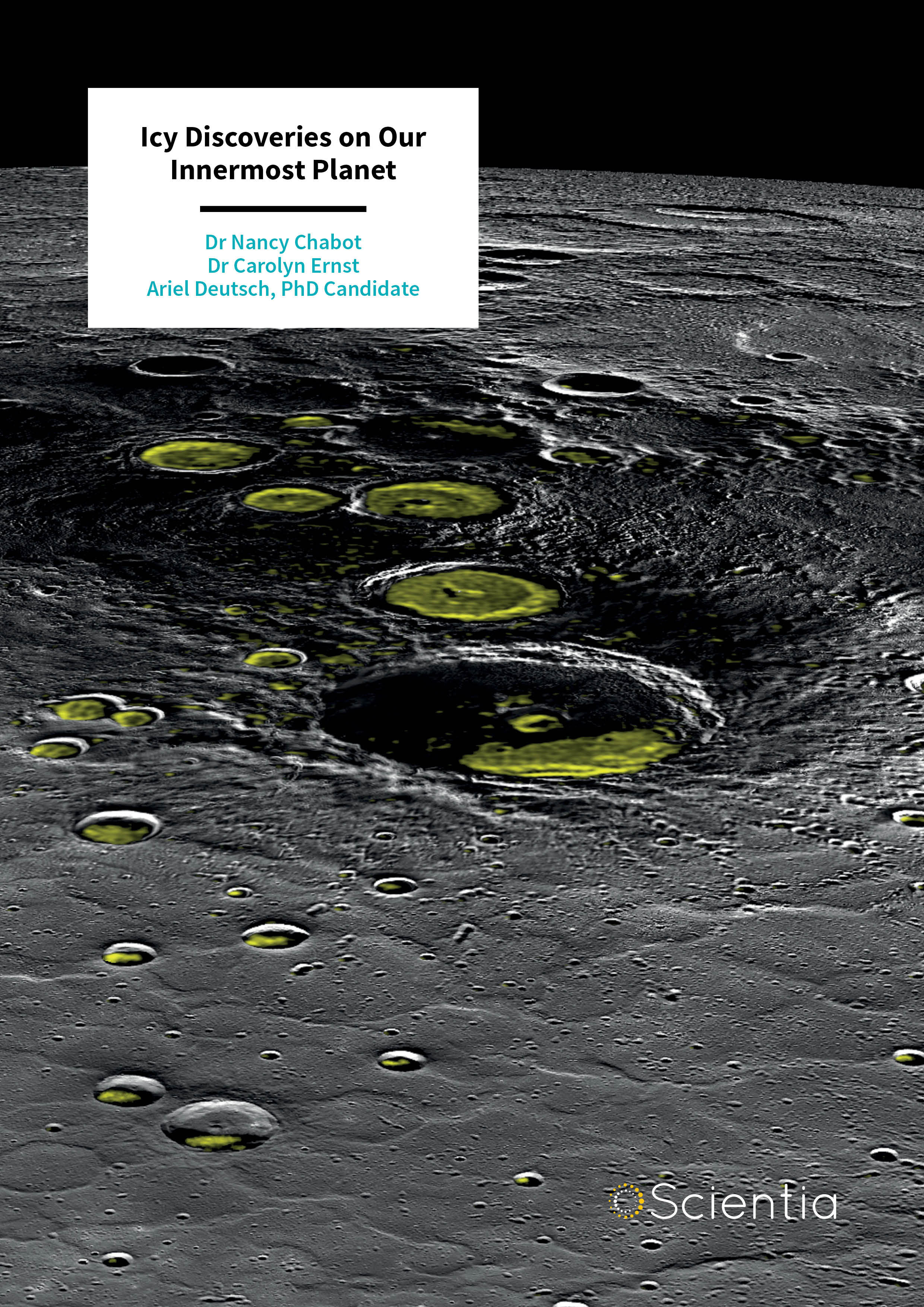
Dr Nancy Chabot | Dr Carolyn Ernst | Ariel Deutsch – Icy Discoveries on Our Innermost Planet
The location of water in our solar system may hold the key to understanding how the planets evolved, and indicate other potential places to find life away from Earth. Dr Nancy Chabot and Dr Carolyn Ernst of Johns Hopkins University Applied Physics Laboratory, and Ariel Deutsch at Brown University, use data from NASA’s MESSENGER mission to understand how much ice exists on Mercury and how it may have arrived there.
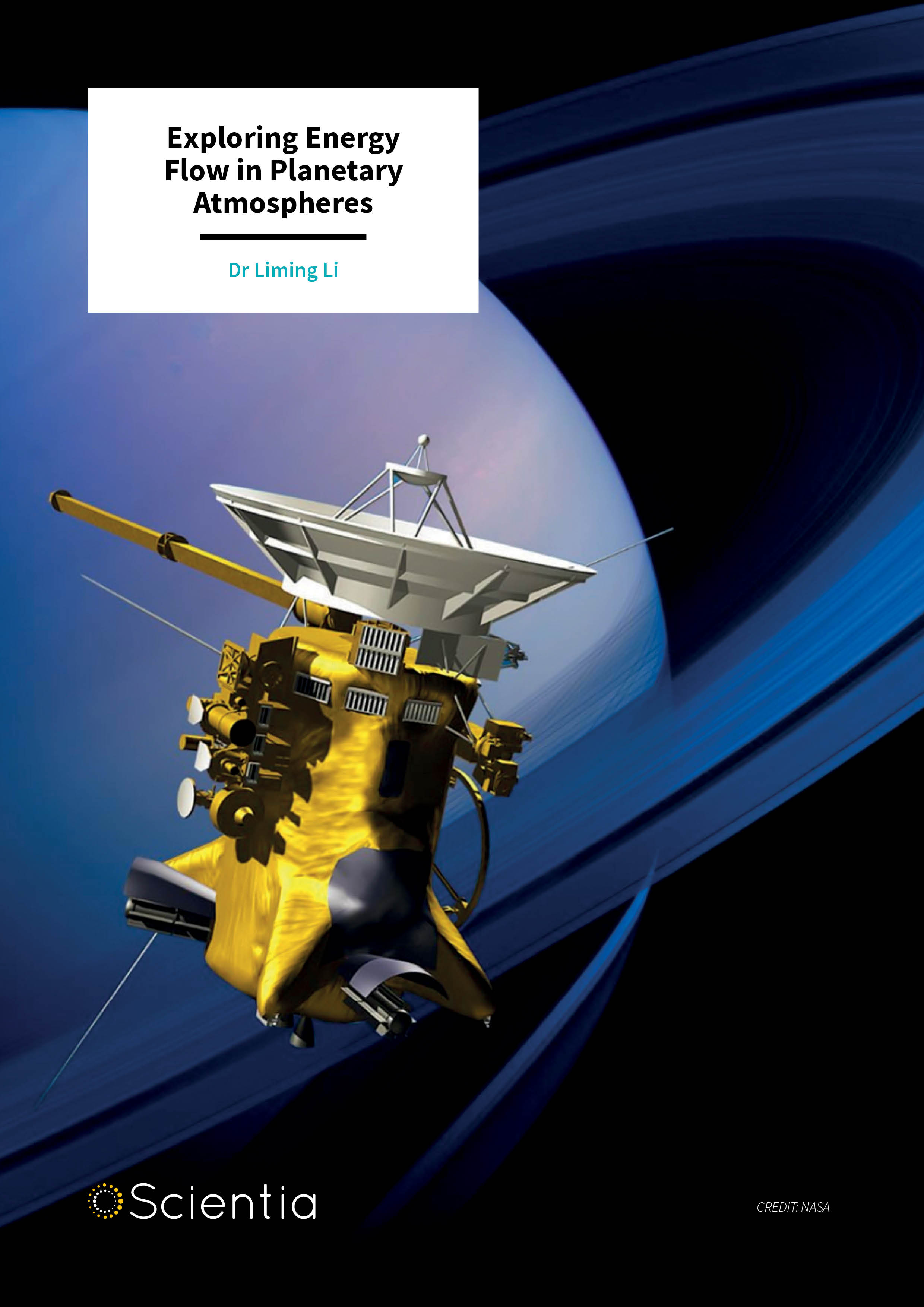
Dr Liming Li – Exploring Energy Flow in Planetary Atmospheres
Within the atmospheres of different planets, energy is continually moving around and being converted into different forms. In his research, Dr Liming Li at the University of Houston studies how the different worlds of our solar system generate, transfer and convert energy in different ways. Through analysing the atmospheres of Jupiter, Saturn, Titan and Earth, his team has made discoveries that provide new insights both for astronomers and for scientists studying our own changing climate.
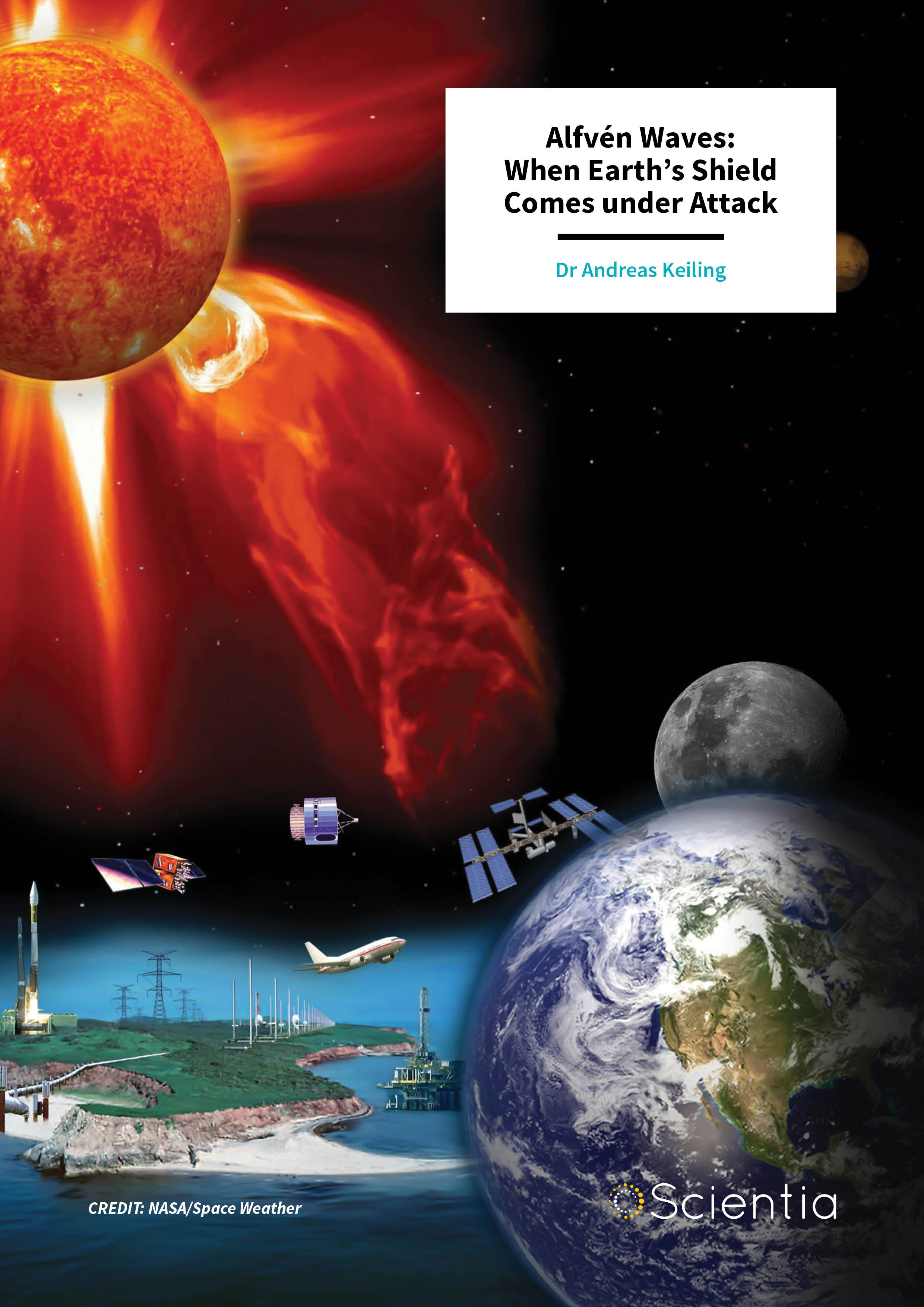
Dr Andreas Keiling – Alfvén Waves: When Earth’s Shield Comes under Attack
The Earth’s magnetic field has long protected us from surges of harmful charged particles originating from the Sun, yet physicists still don’t entirely understand what happens during this interaction. To explore the issue, Dr Andreas Keiling of the University of California at Berkeley studies the complex processes that take place during these so-called solar storms. His work has now begun to unravel the mysteries of the electromagnetic battleground far above Earth’s surface.
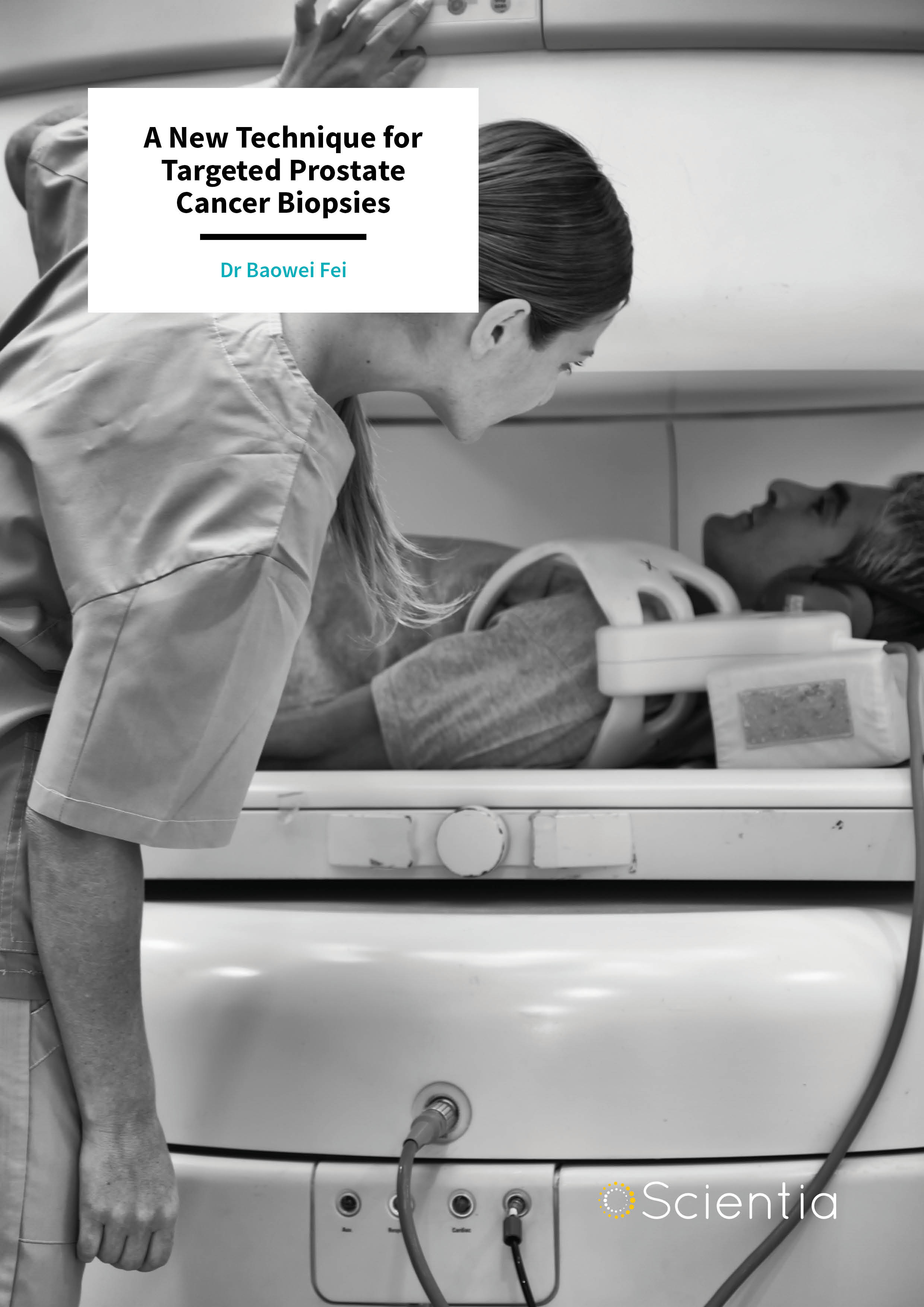
Dr Baowei Fei – A New Technique for Targeted Prostate Cancer Biopsies
Two-dimensional transrectal ultrasound (TRUS) guided biopsy is the standard method for prostate cancer diagnosis. However, the technique is limited in one respect – it can be prone to sampling error. Cancers can be missed, or their severity grossly underestimated. To address this, Dr Baowei Fei, from the University of Texas (UT) at Dallas and UT Southwestern Medical Center, is pioneering a technique that merges positron emission tomography (PET) with TRUS to detect prostate cancer more accurately than before.
The SETI Institute’s Earthling Project
An exciting new endeavour at the SETI Institute, the Earthling project, aims to connect humans around the world through the universal language of music. Charged with the task of creating music that represents us as humans, composer Felipe Pérez Santiago aims to foster...
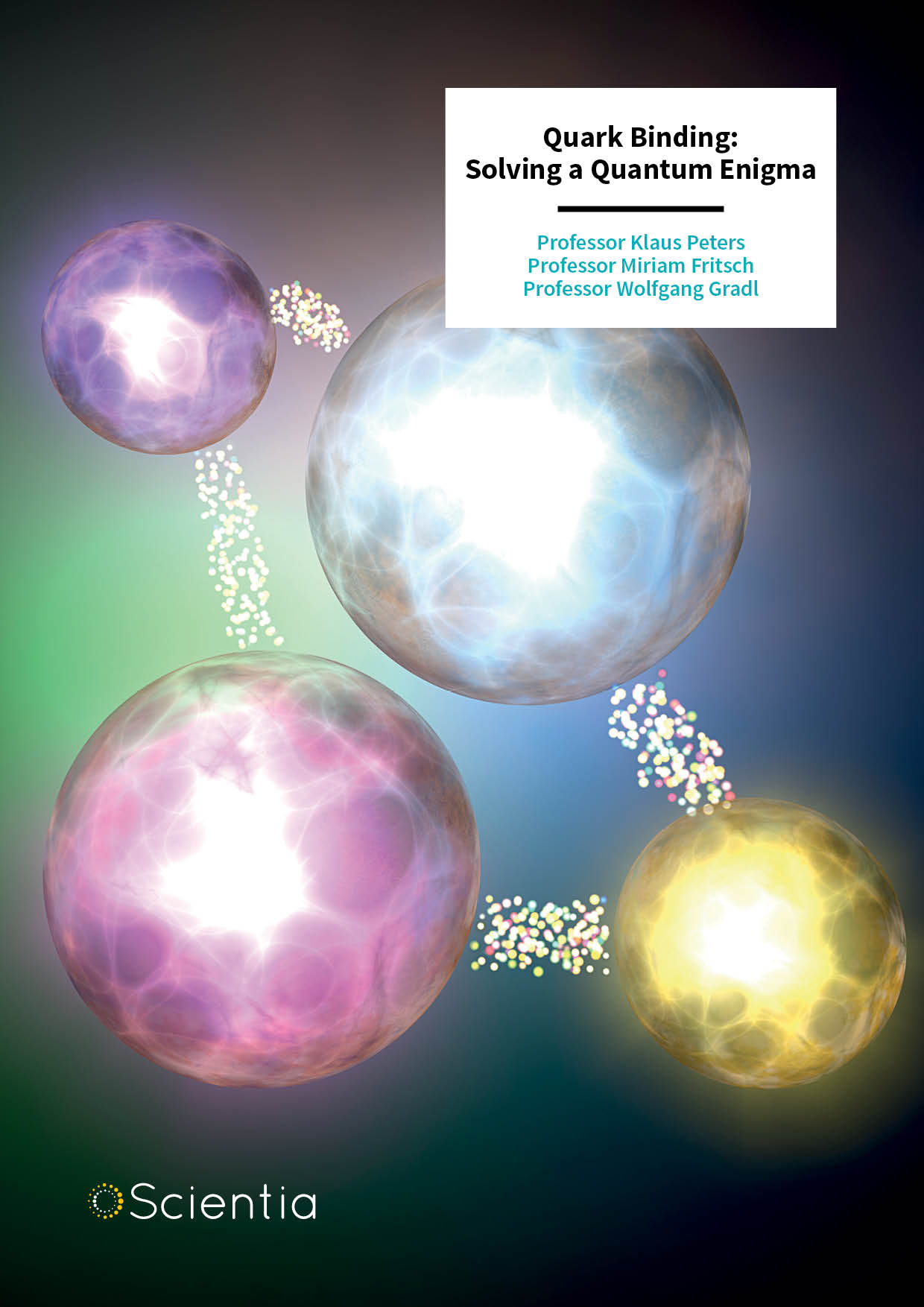
Professor Klaus Peters | Professor Miriam Fritsch | Professor Wolfgang Gradl – Quark Binding: Solving a Quantum Enigma
Quantum Chromodynamics is arguably the crowning achievement of modern particle physics – explaining the very existence of a vast majority of stable, observable matter in the universe. All the same, the theory is far from complete. Professor Klaus Peters, Professor...
The Royal Astronomical Society
Established almost two centuries ago, the Royal Astronomical Society (RAS) is the UK’s learned society dedicated to facilitating and promoting the study of astronomy, solar-system science and geophysics. In this exclusive interview, we speak with the Society’s...
The Alexander von Humboldt Foundation
The Alexander von Humboldt Foundation promotes academic cooperation between excellent scientists and scholars from abroad and from Germany. To this end, it grants more than 700 research fellowships and research awards annually. These allow researchers from all over...
Dr Peter Thirolf | Dr Lars von der Wense | Benedict Seiferle – The Thorium Isomer: Paving the Way for Nuclear Clocks
Atomic clocks have long been the most accurate timekeeping devices known to physics, but thanks to research carried out in recent years, it looks like their reign could soon be over. As part of the European consortium ‘nuClock’ (nuclock.eu), Dr Peter Thirolf,...
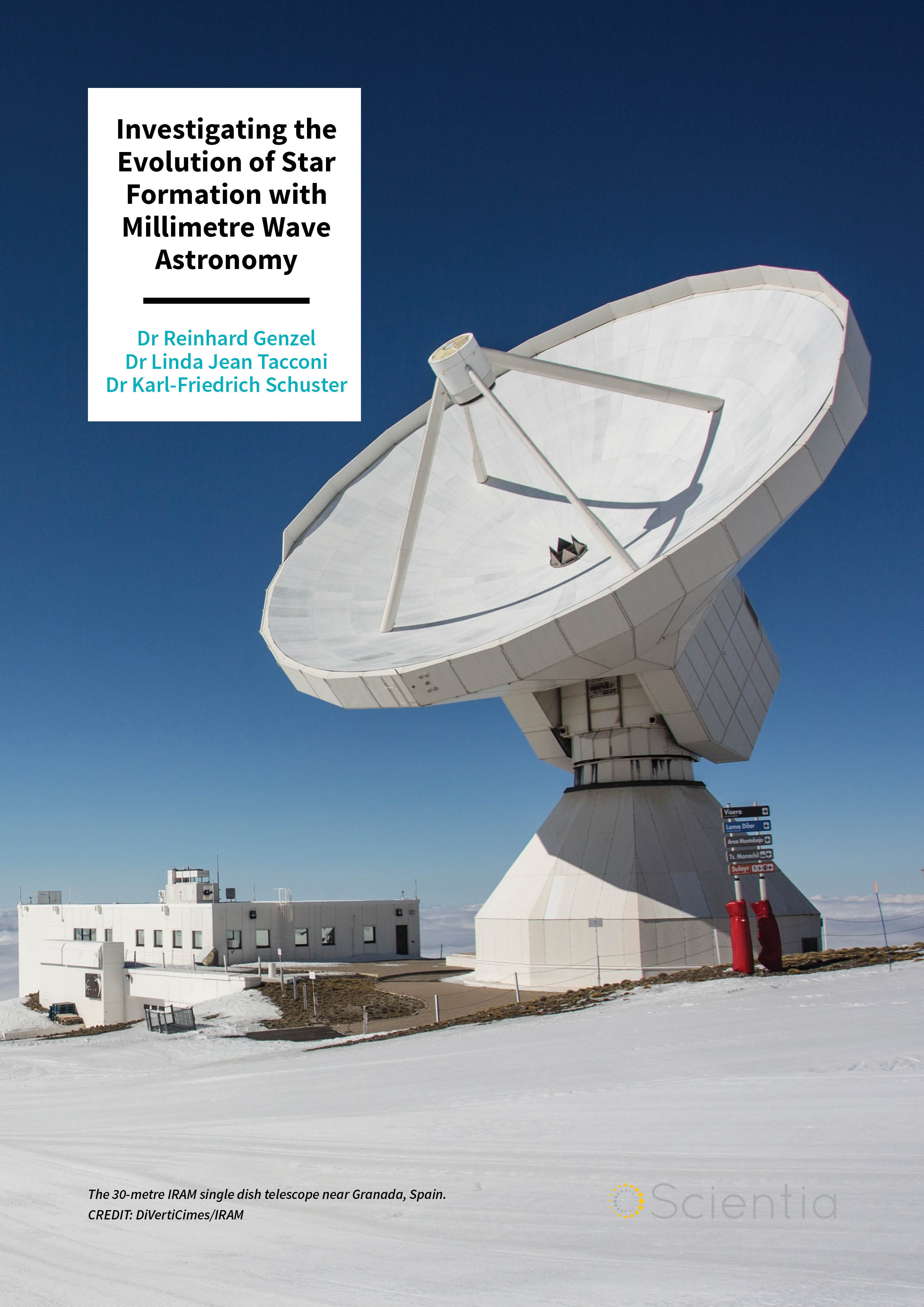
Dr Reinhard Genzel | Dr Linda Tacconi | Max Planck – Investigating the Evolution of Star Formation with Millimetre Wave Astronomy
Astronomers have much to learn from the giant clouds of gas and dust that occupy the vast spaces between stars. These conglomerates of dense, cool interstellar matter provide the food needed for star formation in galaxies. Over the past decade, Dr Reinhard Genzel and...
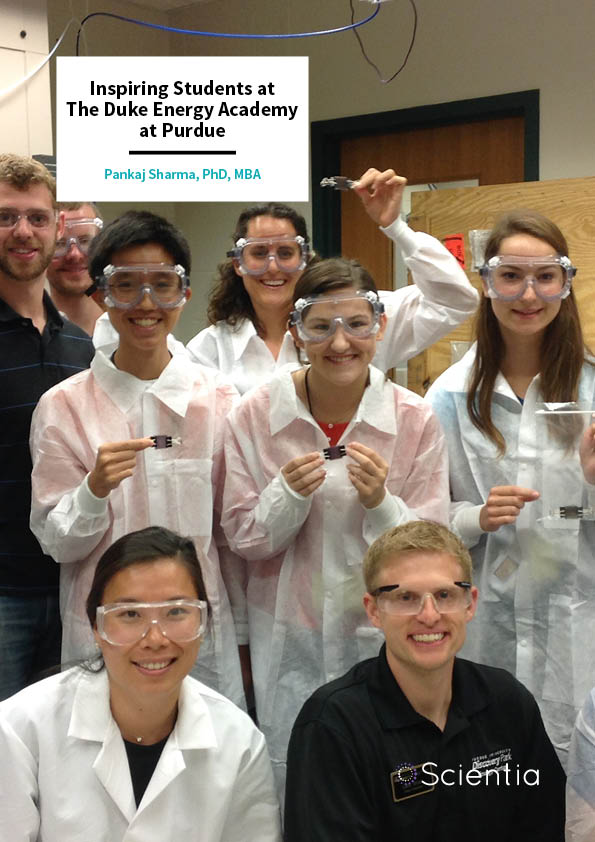
Dr Pankaj Sharma – Inspiring Students at The Duke Energy Academy at Purdue
A secure and sustainable energy supply for the future depends upon communities and industries working together. To facilitate this, a skilled STEM workforce is needed. To that end, Dr Pankaj Sharma a courtesy professor at Purdue University and his colleagues have...
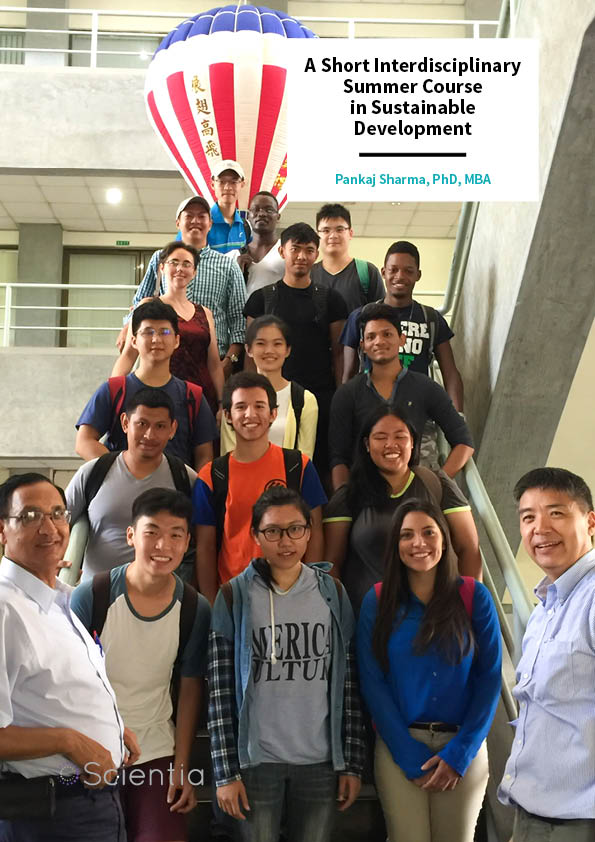
Professor Pankaj Sharma – A Short Interdisciplinary Summer Course in Sustainable Development
The survival of humanity relies upon the sustainable use of natural systems that provide food, energy, and water. However, the growth in the world’s population and human activities that generate pollution are posing serious sustainability challenges to these systems....
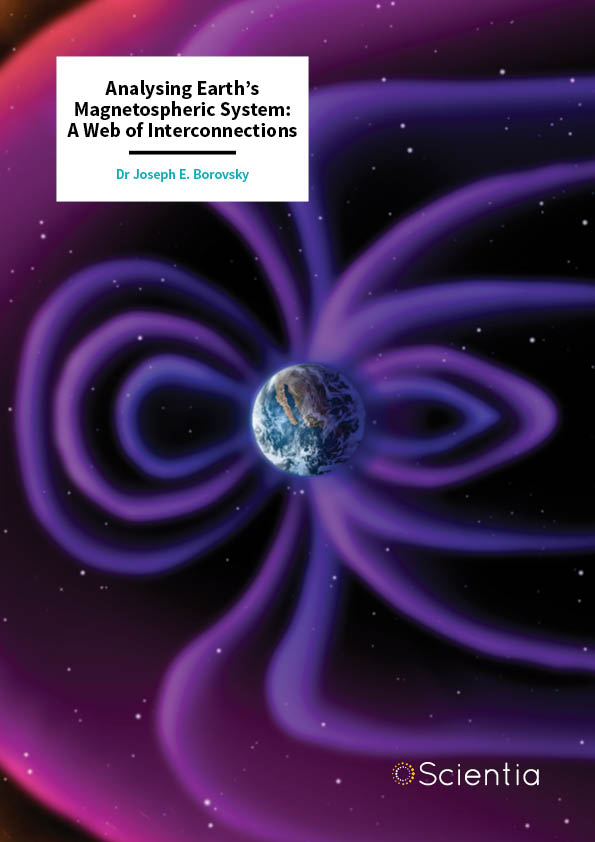
Dr Joe Borovsky – Analysing Earth’s Magnetospheric System: A Web of Interconnections
The behaviours of physical systems are often decided by complex webs of connections between properties, where a small change in just one variable could cause changes in every other one. Dr Joe Borovsky at the Space Science Institute of Boulder, Colorado, and his...
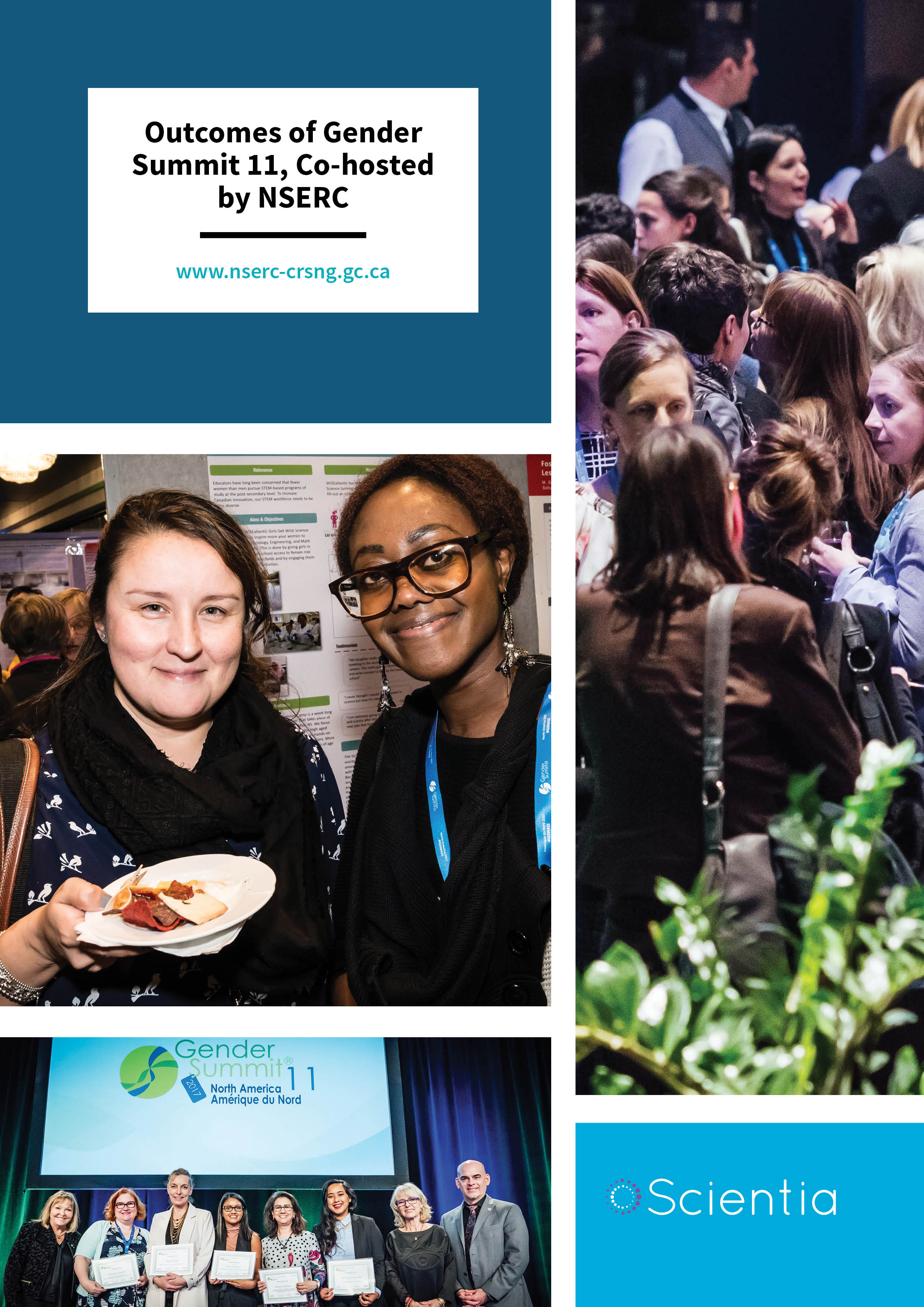
Outcomes of Gender Summit 11, Co-hosted by NSERC
From November 6 to 8, 2017, more than 675 advocates of gender equity from across many different fields in science, technology, engineering and mathematics (STEM) took part in Gender Summit 11, in Montreal, Quebec. Co-hosted by the Natural Sciences and Engineering...
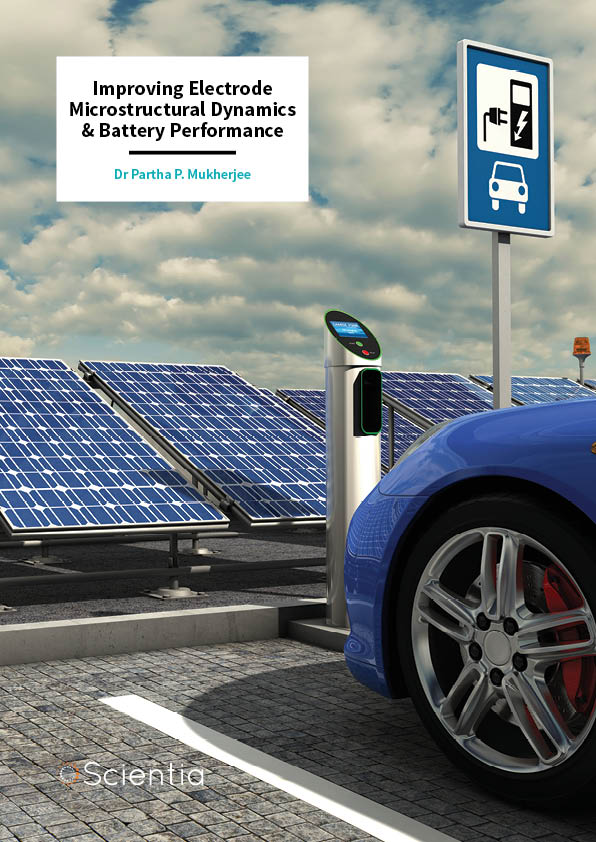
Dr Partha P. Mukherjee – Improving Electrode Microstructural Dynamics & Battery Performance
Whether it be enabling renewable technologies, mobilising electric vehicles, or powering the electronic devices we carry, batteries are essential to modern life. As technology continues to advance, high-quality, long-lasting batteries are needed more than ever. Dr...
SFB 1083 – Collaborating to Study Interfaces in Miniaturised Materials
Creating technologies from multiple materials with different physical properties can be hugely beneficial, but the process doesn’t come without its challenges. As we fabricate new devices, an understanding of the physics occurring at the interfaces where different...
Professor Gilles Gerbier – A Flickering in the Darkness
Deep, deep underground, surrounded by kilometres of solid rock, a team of scientists led by Professor Gilles Gerbier of Queen’s University, Canada, watches for a miniscule flicker of energy. A flicker that will, they hope, betray the existence of the most elusive...
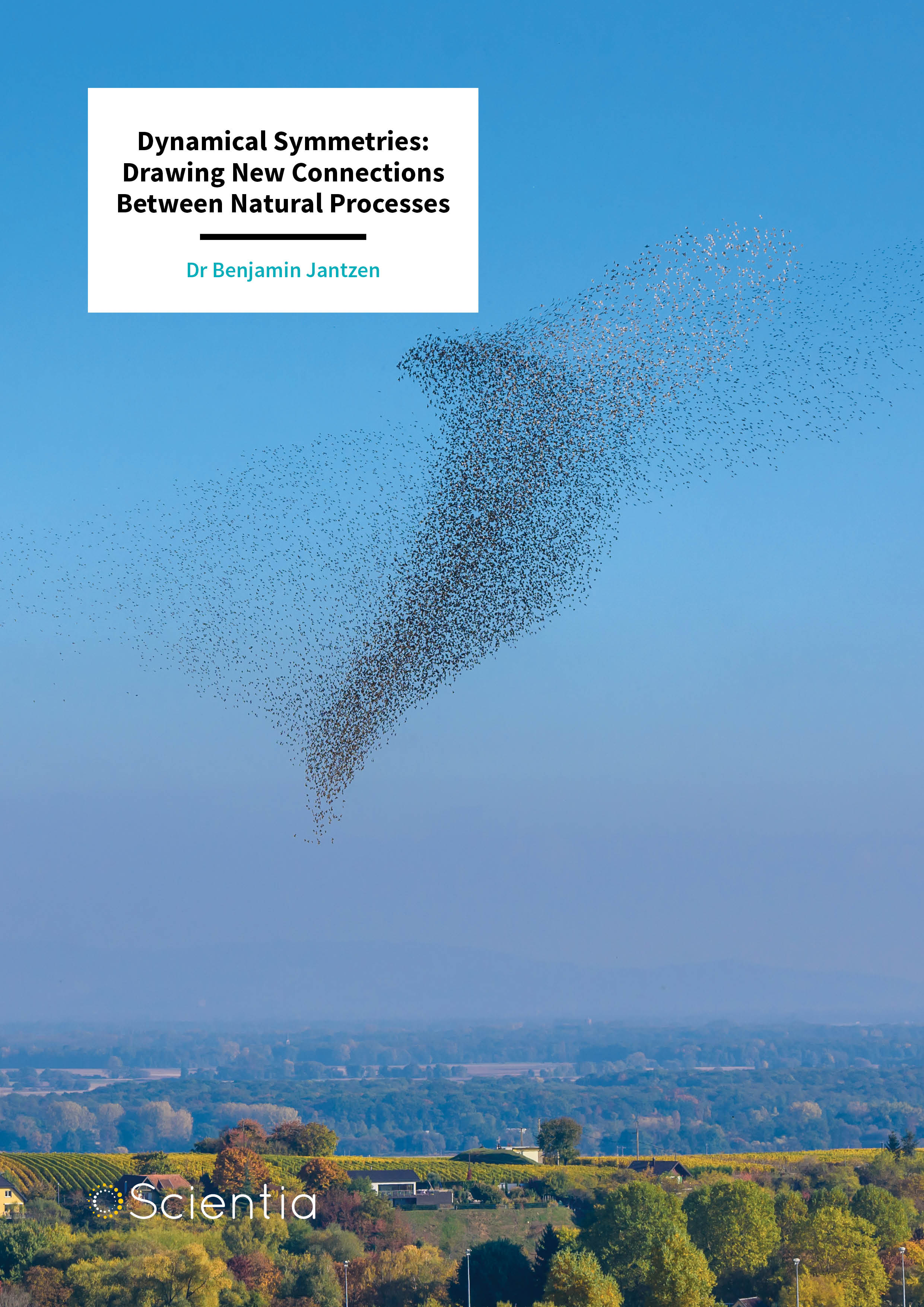
Dr Benjamin Jantzen – Dynamical Symmetries: Drawing New Connections Between Natural Processes
Scientists throughout history have constructed rules that help them to understand how natural systems work, but their insights are often far from perfect. Dr Benjamin Jantzen at Virginia Tech has developed computer algorithms to help. By making connections...
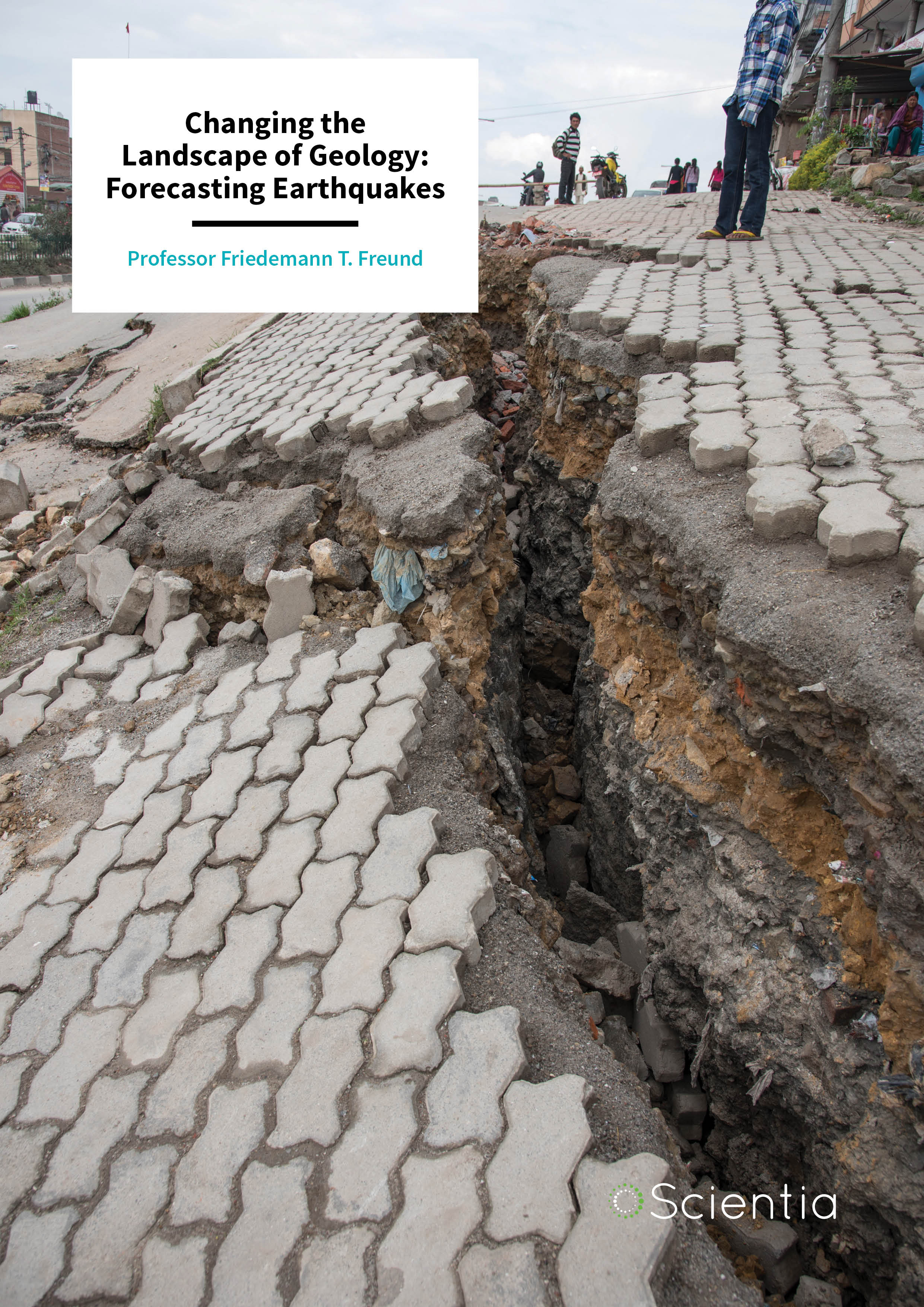
Professor Friedemann Freund – Changing the Landscape of Geology: Forecasting Earthquakes
Imagine a world where we knew about earthquakes before they strike – days before a potentially lethal event. A world with an early warning system that would give us time to evacuate vulnerable buildings, to activate civil defence organisations, to minimise the loss of...
Professor Elena Aprile | Drs Kaixuan Ni | Luca Grandi – Dark Matter Hunters
Professor Elena Aprile and her collaborators, Drs Kaixuan Ni and Luca Grandi, join together with a worldwide consortium of scientists to design massive detectors for identifying the invisible matter that makes up the majority of our Universe. For over 100 years,...
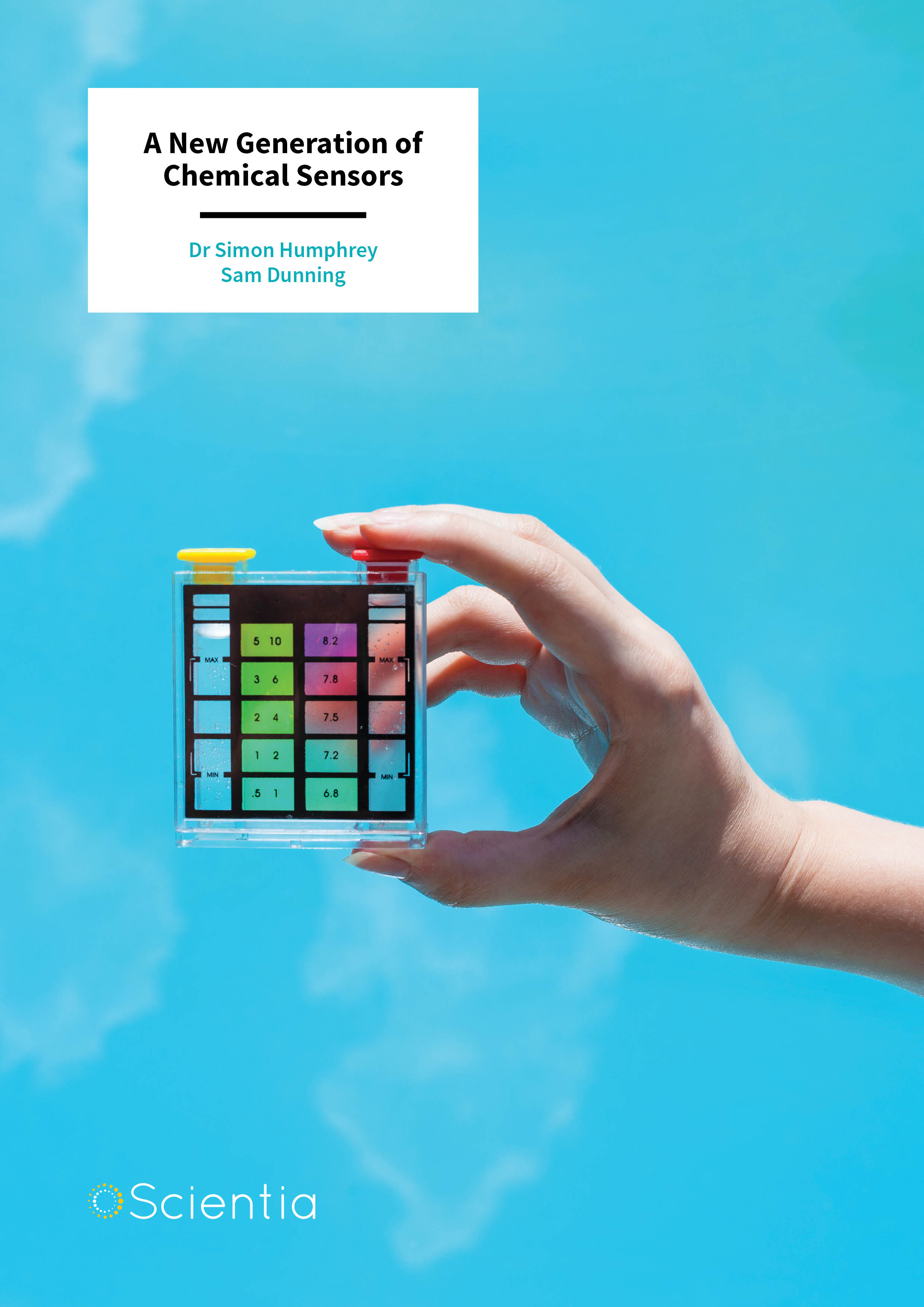
Dr Simon Humphrey | Sam Dunning – A New Generation of Chemical Sensors
Dr Simon Humphrey and Sam Dunning at the University of Texas at Austin have created a new lanthanide-based chemical sensor that can identify trace levels of water in many different solvents, and can even distinguish between normal water and ‘heavy water’. The team’s...

Dr Alfred Msezane – Negative Ion Formation in Complex Heavy Systems
When an electron is absorbed by a heavy atom or molecule, a heavy, negatively-charged ion is formed. These negative ions can be used for a wide array of useful applications, from organic solar cells to water purification. However, the electron absorption process for...
Dr Jeremy Drake – Investigating Our Galaxy’s Largest Star Production Factories to Reveal Stellar and Planetary Origins
Star forming regions are dense complexes of young and newly forming stellar clusters, which drive the evolution of galaxies. Dr Jeremy Drake, a Senior Astrophysicist at the Smithsonian Astrophysical Observatory, and his collaborators analyse X-ray, optical and...
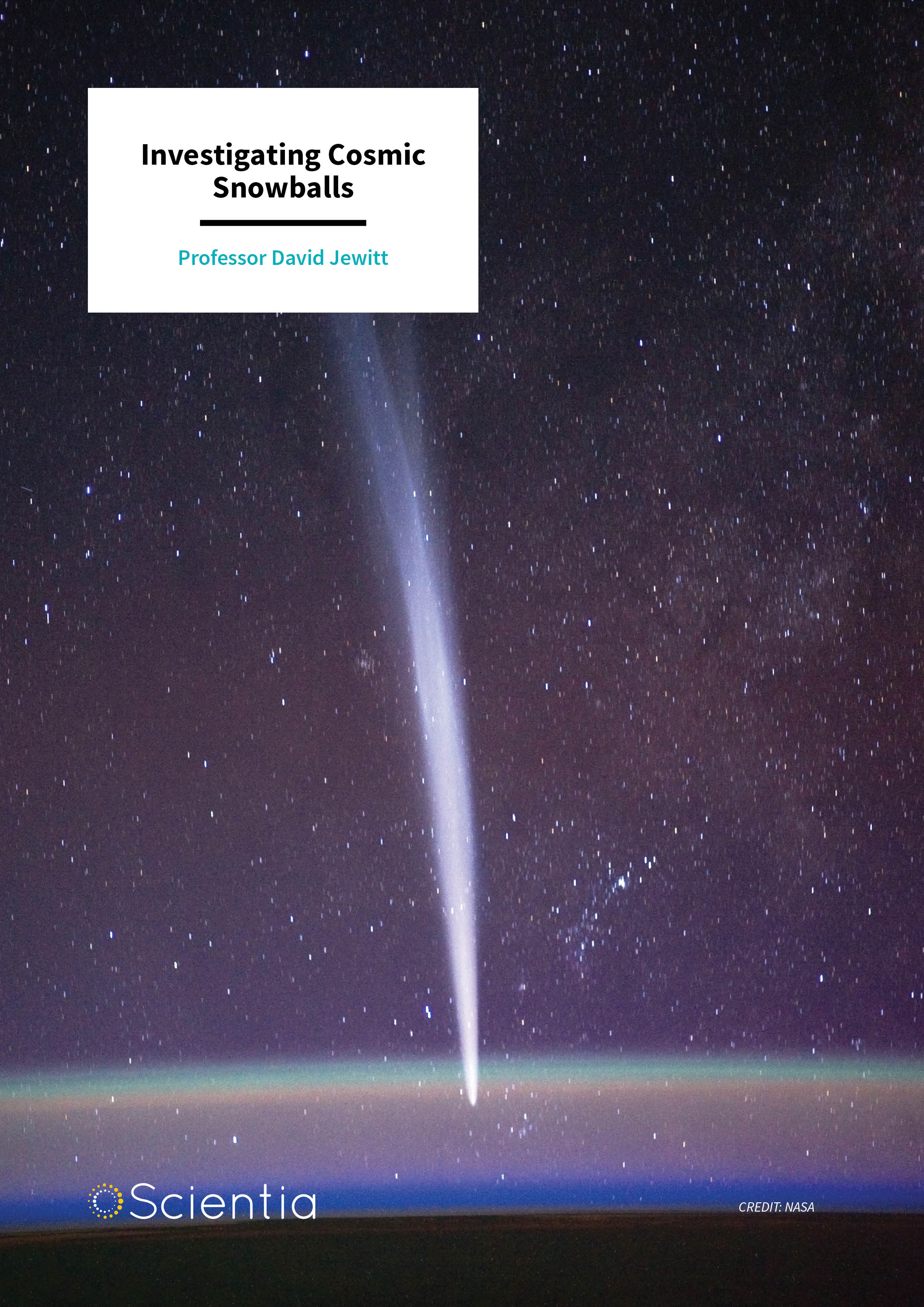
Professor David Jewitt – Investigating Cosmic Snowballs
Professor David Jewitt and his team at UCLA explore the nature of comets. These fleeting visitors to our cosmic shore are important sources of information, and can help to reveal the origin and evolution of the solar system. Most recently, Professor Jewitt’s team have...
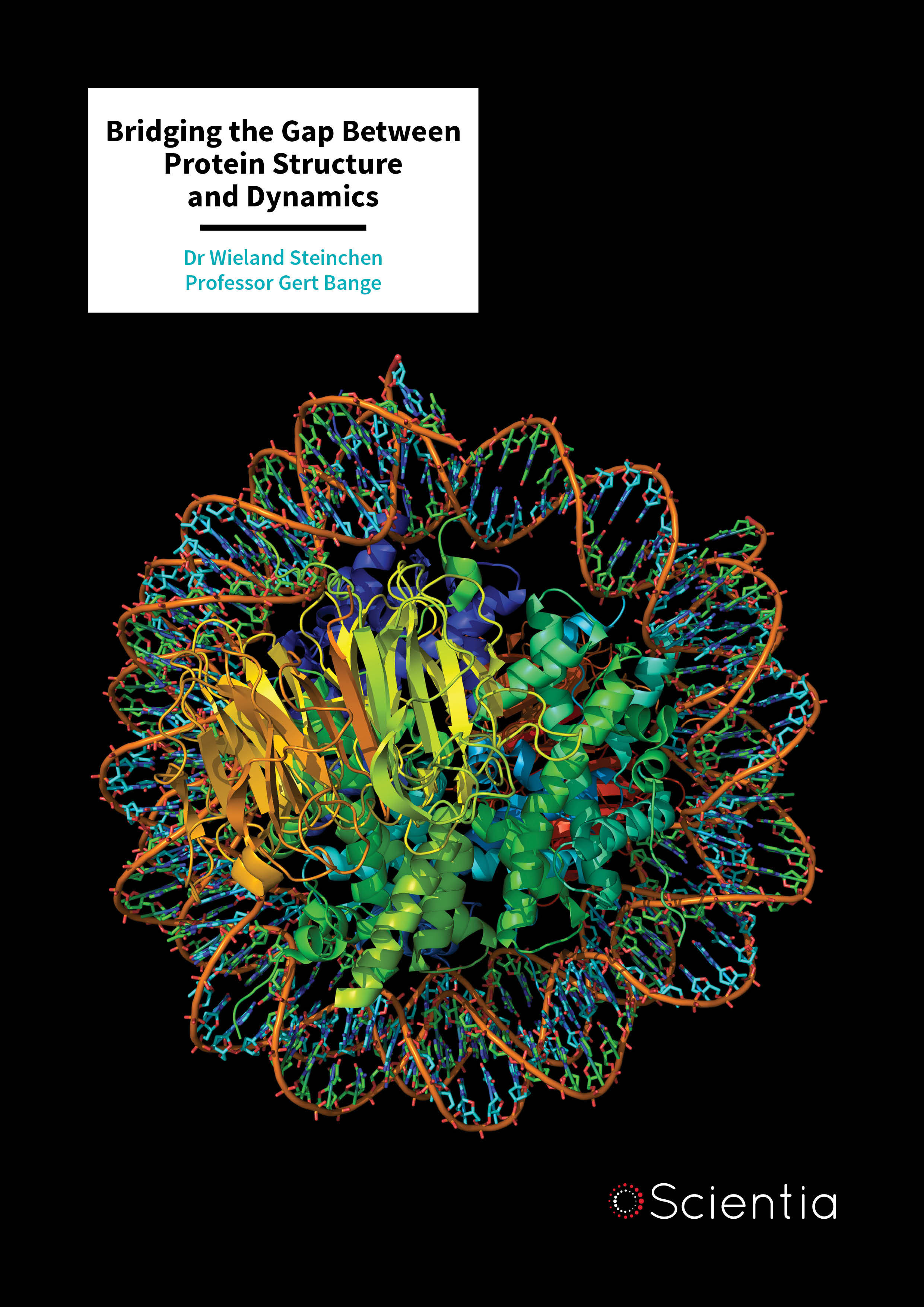
Professor Gert Bange | Dr Wieland Steinchen – Bridging the Gap Between Protein Structure and Dynamics
Proteins are present in all living organisms. The unique functions they perform in biochemical processes are dependent on their three-dimensional structure. Dr Wieland Steinchen and Professor Gert Bange, from the Center for Synthetic Microbiology (SYNMIKRO) and...
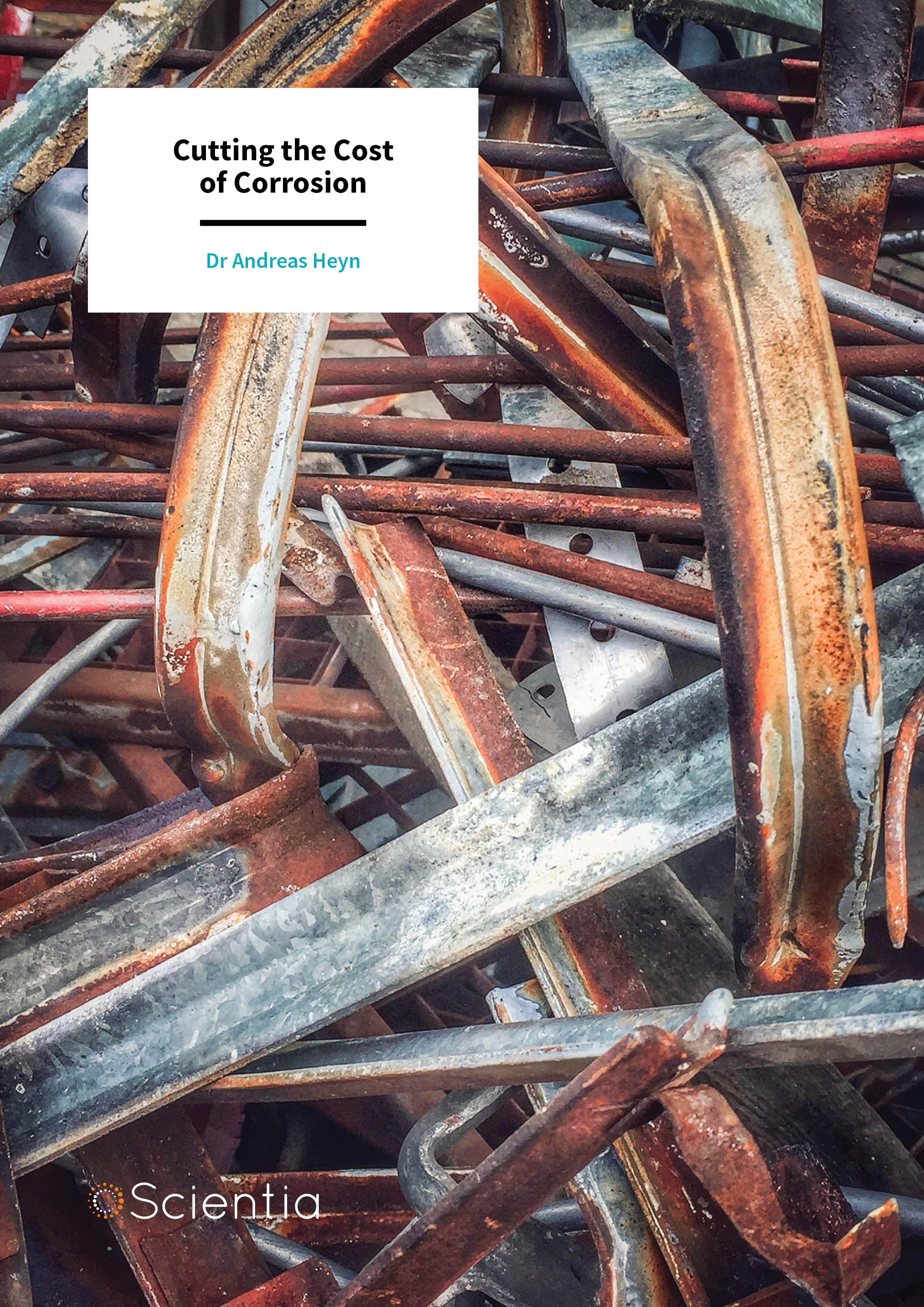
Dr Andreas Heyn – Cutting the Cost of Corrosion
$2.5 Trillion USD. That’s the most recent estimate for how much corrosion costs us globally every year. That’s about the same as the Gross Domestic Product of the entire UK. It’s no wonder, then, that there is an international push for better ways to detect and repair...
Dr Gernot Schaller – Maxwell’s Demon: Extracting Energy from Chaos
Since it was theorised over 150 years ago, physicists have viewed the concept of ‘Maxwell’s demon’ as a highly desirable yet ultimately unattainable source of energy. For over a century, the device seemed to work theoretically, but a fundamental barrier prevented it...