
Earth and Environment

Dr Olalla Castro-Alvaredo | Measuring Entanglement: Symmetry-Resolved Entropy
Dr Olalla Castro-Alvaredo of the City University of London (UK) and her collaborators are advancing our understanding of an important phenomenon of quantum mechanical systems known as entanglement and, especially, its mathematical measures. Symmetry-resolved entanglement entropy is one such measure. Their study focuses on special quantum states which are excited with respect to a ground state. The research shows how the entanglement amongst quantum particles can be measured and assesses the contribution to the entanglement of quasiparticle excitations, particularly in the presence of additional symmetries.
Dr Tsun-Kong Sham – Dr Jiatang Chen – Dr Zou Finfrock – Dr Zhiqiang Wang | X-Rays Shine Light on Fuel Cell Catalysts
Understanding the electronic behaviour of fuel cell catalysts can be difficult using standard experimental techniques, although this knowledge is critical to their fine-tuning and optimisation. Dr Jiatang Chen at the University of Western Ontario works with colleagues to use the cutting-edge valence-to-core X-ray emission spectroscopy method to determine the precise electronic effects of altering the amounts of platinum and nickel in platinum-nickel catalysts used in fuel cells. Their research demonstrates the potential application of this technique to analysing battery materials, catalysts, and even cancer drug molecules.
Dr Marcus Noack and Dr Mark Risser | Advancing Gaussian Processes: The Noack-Risser Method
Dr Marcus Noack and Dr Mark Risser, researchers at Lawrence Berkeley National Laboratory, have recently proposed a significant advancement in the area of machine learning and data science that promises significant computational improvements: the enhancement of exact Gaussian Processes for large datasets, significantly improving data analysis capabilities for samples even beyond 5 million data points.
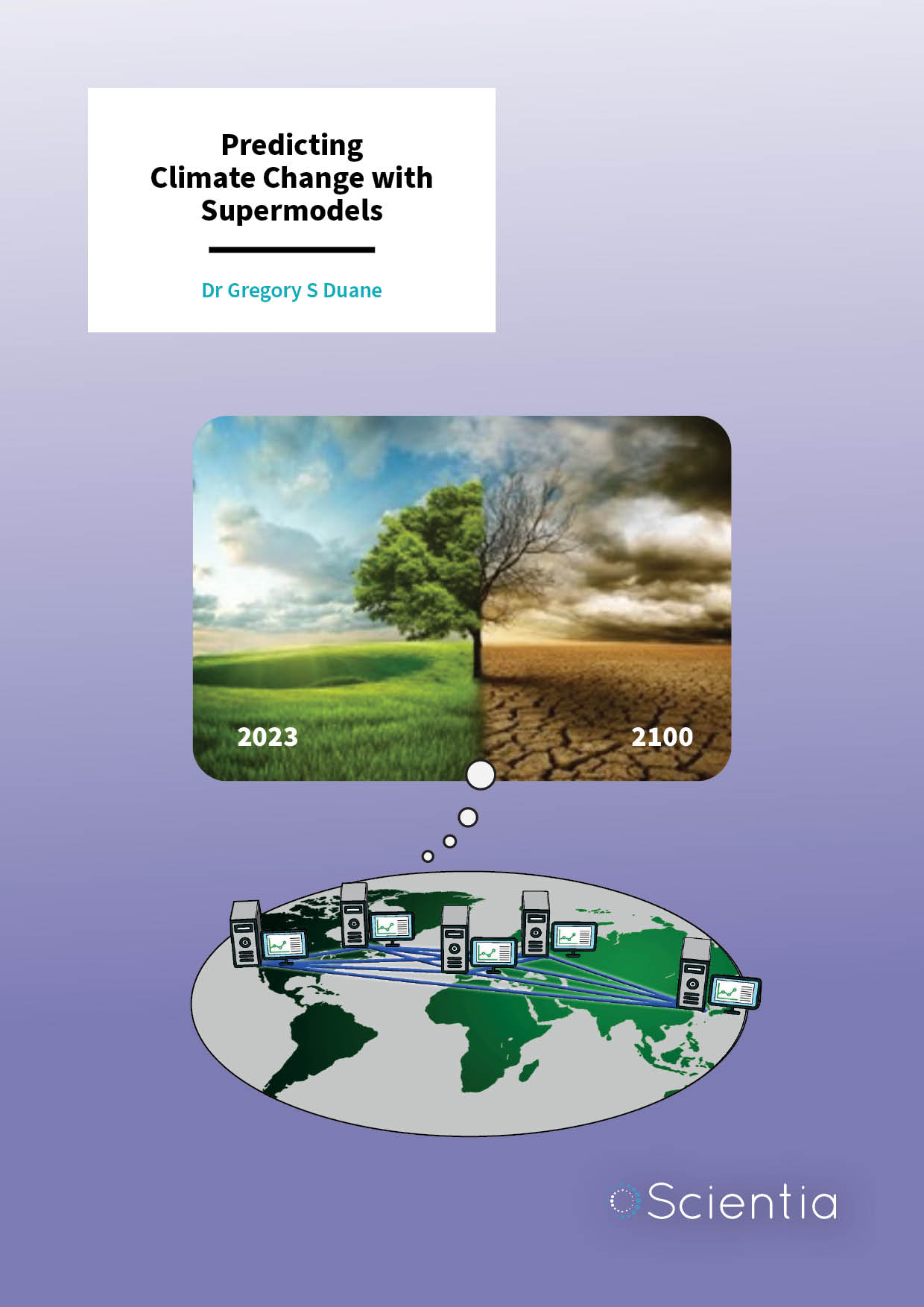
Dr Gregory Duane | Predicting Climate Change with Supermodels
Our universe is comprised of fascinatingly complex systems. Systems such as the Earth’s climate can, at first glance, seem far too complex and chaotic to predict accurately. Dr Gregory Duane and his team at the University of Colorado have been developing complex computational models that can learn from past data, providing us with intriguing insights and more accurate predictions about the future.
Dr Ivan Kennedy | Least Action and Quantum Fields: New Methods for Calculating the Energy of Systems and Reactions
The Principle of Least Action is a well-known tool for mathematicians and theoretical physicists. Simply put, the Principle of Least action states that, for a system to progress from one state to another, the variation in the average kinetic energy of the system minus the average potential energy of the system will be as little as possible. Dr Ivan Kennedy from the University of Sydney has found that the application of this important theorem, combined with the idea of a pervasive quantum field, to processes such as chemical reactions, atmospheric phenomena, and stellar structure, yields some unexpected but exciting results.
Professor Sergey Kravchenko – Professor Alexander Shashkin | Understanding Electron Behaviour in Solid State Physics
Professor Sergey Kravchenko of Northeastern University (USA) and Professor Alexander Shashkin of the Institute of Solid State Physics (Russia) study two-dimensional electron systems. In this field, the behaviour of electrons under different environmental conditions alters the macroscopic properties of the materials they constitute. For example, some metallic compounds transition from an insulating state to a metallic, conductive state as the system parameters change. Understanding precisely how and why this occurs may be crucial to developing the next generation of nanoscale materials, such as room-temperature superconductors.
Professor Susan M. Scott | New Methods for Mathematically Modelling Black Holes
The swirling vortexes of incredible gravitational strength we call black holes are amongst astrophysics’ most recognisable and captivating phenomena. Whilst regularly featuring in films, novels and popular science texts, black holes continue to pose mathematical challenges for the physicists working in this field. Distinguished Professor Susan Scott from The Australian National University has been undertaking research to solve some of these mathematical conundrums.
Professor Jeremy May | Innovative New Solutions to Create Carbon-Carbon Bonds
One of the most fundamental chemical phenomena in existence is that of the carbon-carbon bond. It gives carbon atoms the ability to form the backbone of all organic chemistries; without it, life itself could not exist. Therefore, understanding how to make, break and manipulate this crucial bond is the secret to unlocking endless potential options for chemical synthesis. Professor Jeremy May and his team at the University of Houston, USA, have been developing methods to control the formation of these bonds, significantly furthering the field of organic synthesis.
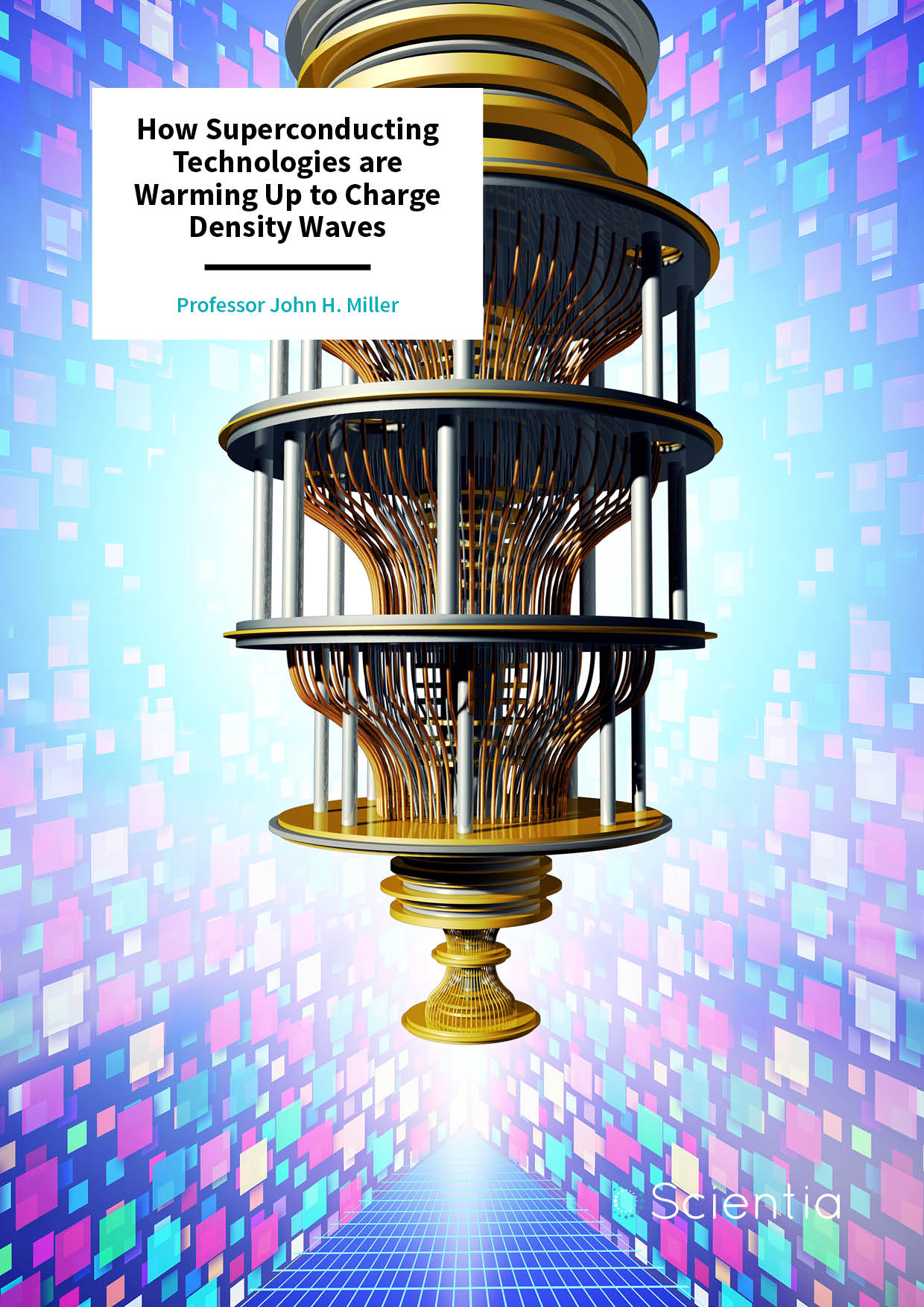
Professor John Miller | How Superconducting Technologies are Warming Up to Charge Density Waves
Superconducting quantum computers offer exciting potential for the future but are currently limited by their low operating temperature. Professor John Miller and his team at the University of Houston have been working on these problems, looking at how we can operate superconducting quantum systems at higher temperatures and considering the properties of charge density wave materials. He also highlights the applications of this work in quantum information processing.
Professor Alison Lister | Poking Holes in the Standard Model of Particle Physics
Our understanding of physics changed dramatically in the 20th century, with the advent of the Standard Model of Particle Physics, which builds on quantum mechanics and Einstein’s theory of relativity – two of the most successful theories in the history of science. However, we know that our theories are incomplete, but finding out what’s beyond the Standard Model is difficult because it’s such a successful theory. Professor Alison Lister and her colleagues at the University of British Columbia and around the world are poking holes in the Standard Model, towards finding a new theory that gives a more complete description of the universe.
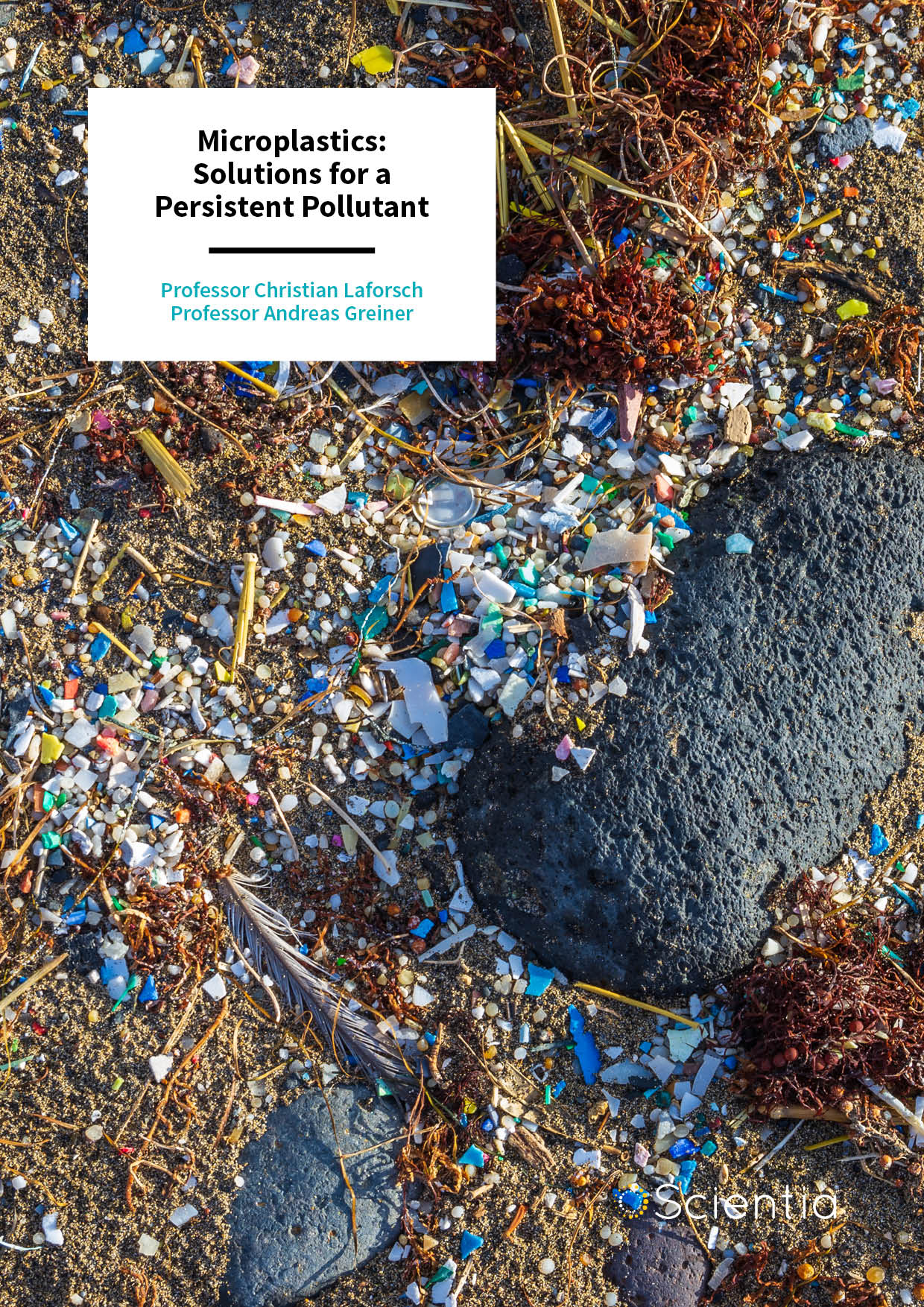
Professor Christian Laforsch | Professor Andreas Greiner – Microplastics: Solutions for a Persistent Pollutant
Plastics have revolutionised human existence. Medicine, technology, agriculture and construction all rely on highly durable plastic materials. However, the enduring legacy of plastics extends far beyond our cities and towns. Everywhere we look, from the deepest parts of the oceans to alpine glaciers, we find tiny fragments called microplastics. Recently, the collaborative research centre, ‘CRC 1357 Microplastic’, at the University of Bayreuth was granted a second funding phase by the German Science Foundation, to continue their intensive research into microplastics. The CRC 1357 team studies the formation and behaviour of microplastics in the environment and their long-term effects on soils, plants, organisms, and ecosystem processes. Through their research, the University of Bayreuth will be able to contribute to ground-breaking recommendations for policy-makers, industry and society.
Dr Nicholas Mauro | Exploring How Metallic Glasses are Formed from Molten Alloys
Metallic glasses are extraordinary materials that can be formed by rapidly cooling certain mixtures of molten metals. Their unique properties make them extremely desirable for various technological applications. However, scientists do not fully understand the processes that drive the formation of metallic glasses, and as such, they remain difficult to design and optimise for specific purposes. Dr Nicholas Mauro and his team at St. Norbert College in Wisconsin have been researching metallic glasses to understand exactly how these materials form from various molten alloys. By understanding the mechanisms that lead to the formation of metallic glasses, the team’s work aids in the design of new metallic glasses and enables their optimisation for specific technological applications.
Dr Greg Swain | A Cross-Disciplinary Sustainable Chemistry Summer Program
To protect Earth’s environment and endangered species, chemists, material scientists and engineers will need to be more mindful of the substances they produce and use. To this end, Dr Greg Swain, Professor of Chemistry at Michigan State University, created the Cross-Disciplinary Training Program in Sustainable Chemistry and Chemical Processes. This innovative program teaches undergraduate chemistry students the importance of sustainable practices, while preparing them for their future careers.

Professor Michel Moisan | Providing Stable and Power-Efficient Plasma Using Microwaves
The ability to generate stable and reproducible plasma is central to many aspects of research and technology. Through his research, Professor Michel Moisan and his team at Université de Montréal (UdeM) explored the capabilities of various devices they patented that produce plasma columns simply and efficiently, using radiofrequency or microwaves. Applications of these devices range from the sterilisation of medical equipment, to purifying noble gases such as xenon for ion-thrusters that ensure the repositioning of communication satellites.

Dr Keith A. Hobson | Mapping Animal Migration with Isotopic Tools
Animal migration is one of the most astounding natural phenomena on the planet. Birds and insects travel thousands of kilometres across the globe in regular movements, using highly evolved methods of navigation. Migration is not only fascinating and wonderous; understanding where and how animals migrate can make conservation strategies more effective. Dr Keith A. Hobson at the University of Western Ontario and his colleagues have been using a special class of molecules and advanced scientific methods to uncover the secrets of animal migration.
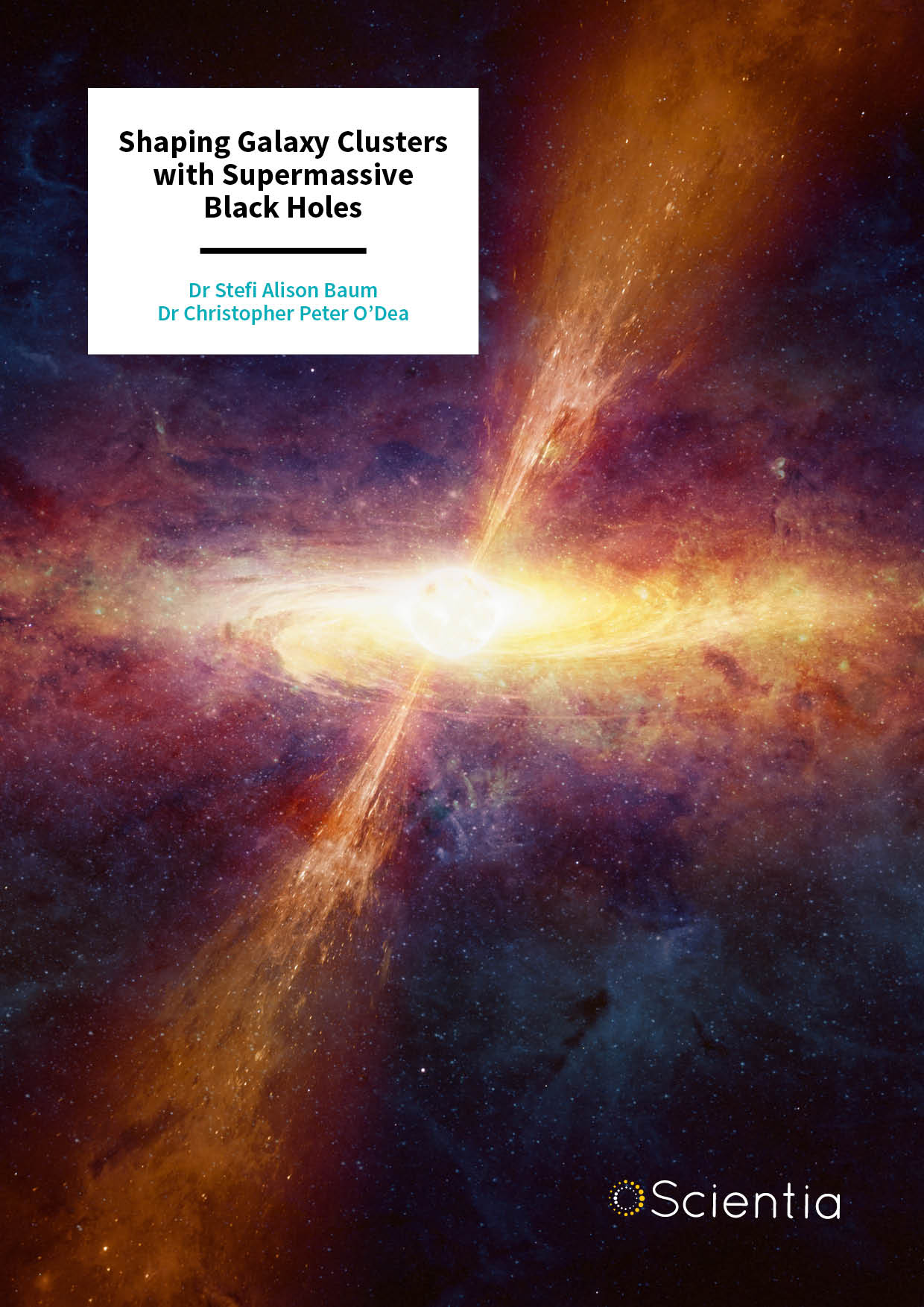
Dr Stefi Baum – Dr Christopher O’Dea | Shaping Galaxy Clusters with Supermassive Black Holes
The black holes found at the centres of most large galaxies are now found to be fundamental to galactic formation and evolution. Until recently, however, little was understood about how these massive bodies affect the behaviours of their host galaxies and beyond. Through their research, Dr Stefi Baum and Dr Christopher O’Dea at the University of Manitoba have made important strides towards untangling the many mysteries involved in this intriguing astronomical problem.
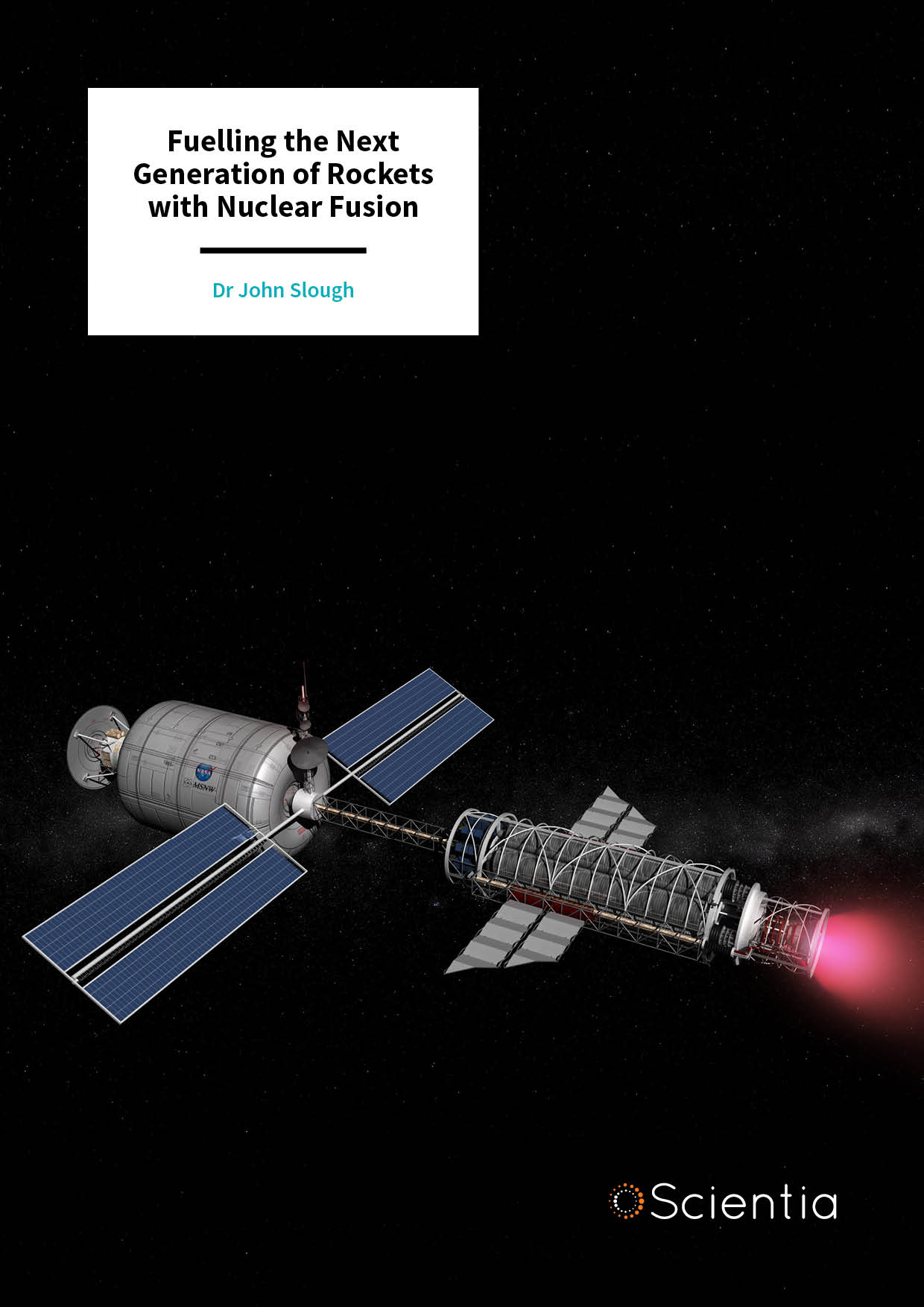
Dr John Slough | Fuelling the Next Generation of Rockets with Nuclear Fusion
Most rockets combine liquid hydrogen and oxygen to throw out extremely hot, expanding gas as a propellant; however, there are limits to the efficiency of this system. Dr John Slough and his colleagues at MSNW and the University of Washington have been developing new ways to propel spacecraft, with inspiration from the process that powers the Sun: nuclear fusion. Using an innovative design, his fusion-driven rocket converts the energy output of a fusion reaction directly into the propellant, opening new opportunities for space travel and exploration.
Dr Orlando Auciello | Ultrananocrystalline Diamond Coatings for Transformational Medical Devices and Prostheses
Far from the days of being exclusively used in jewellery, diamond is finding a new lease of life as a coating for a wide variety of new medical devices and prostheses. In his recent book, Dr Orlando Auciello discusses his research in materials science and device development for medical applications. He evaluates how ultrananocrystalline diamond (UNCD) coatings can be used to improve upon existing biomedical technologies, with the goal of providing a better quality of life for countless patients around the world.
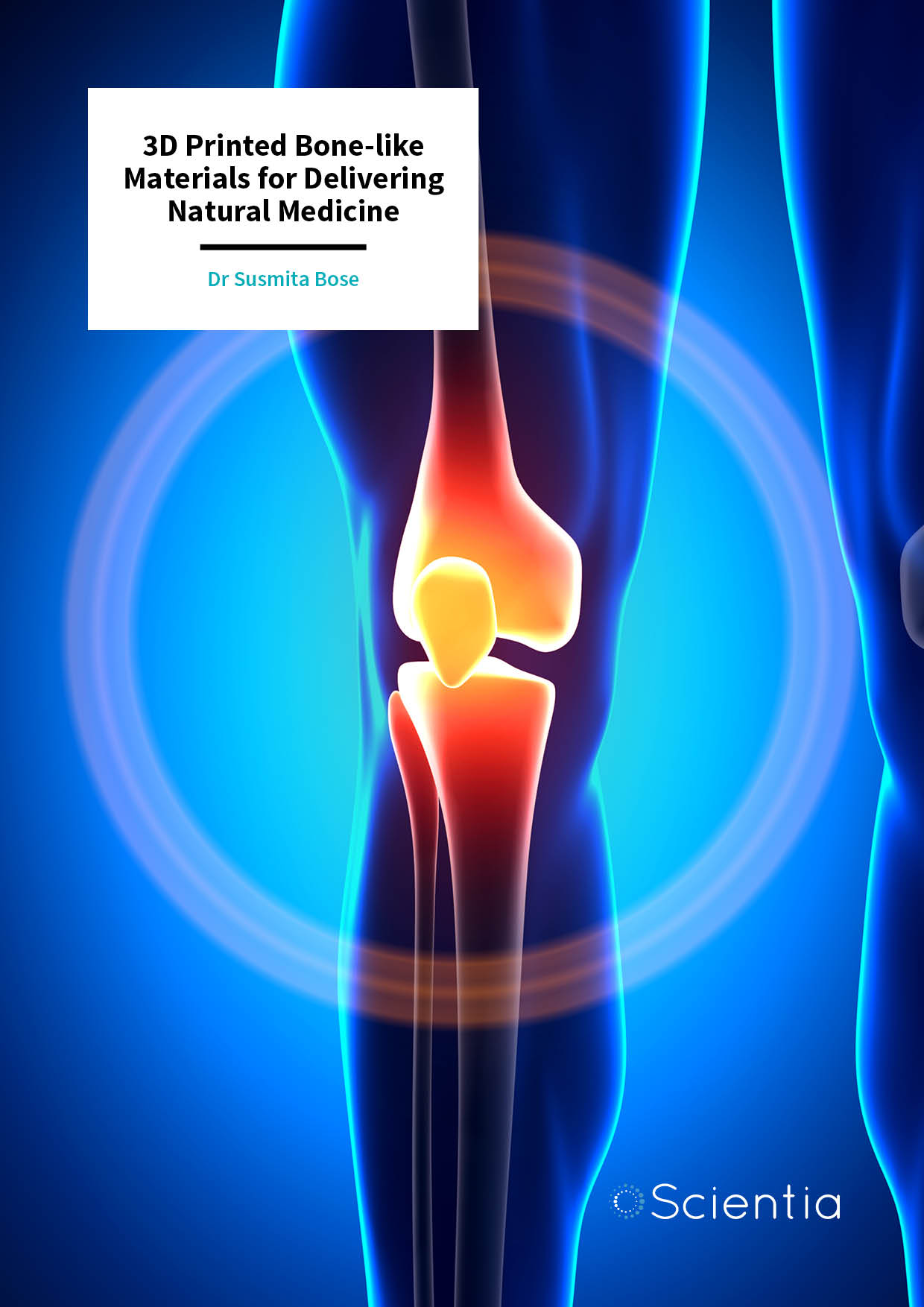
Dr Susmita Bose | 3D Printed Bone-like Materials for Delivering Natural Medicine
Some of the greatest advances in medical history have revolved around the creation of new materials that can replace damaged tissues in the body. Today, many researchers focus on creating materials that can replace damaged bone tissue, which often cannot heal naturally. Dr Susmita Bose and her team at Washington State University have been researching ways to engineer exciting new materials that mimic the structure of natural bone, allowing us to live happier, healthier, and longer lives.
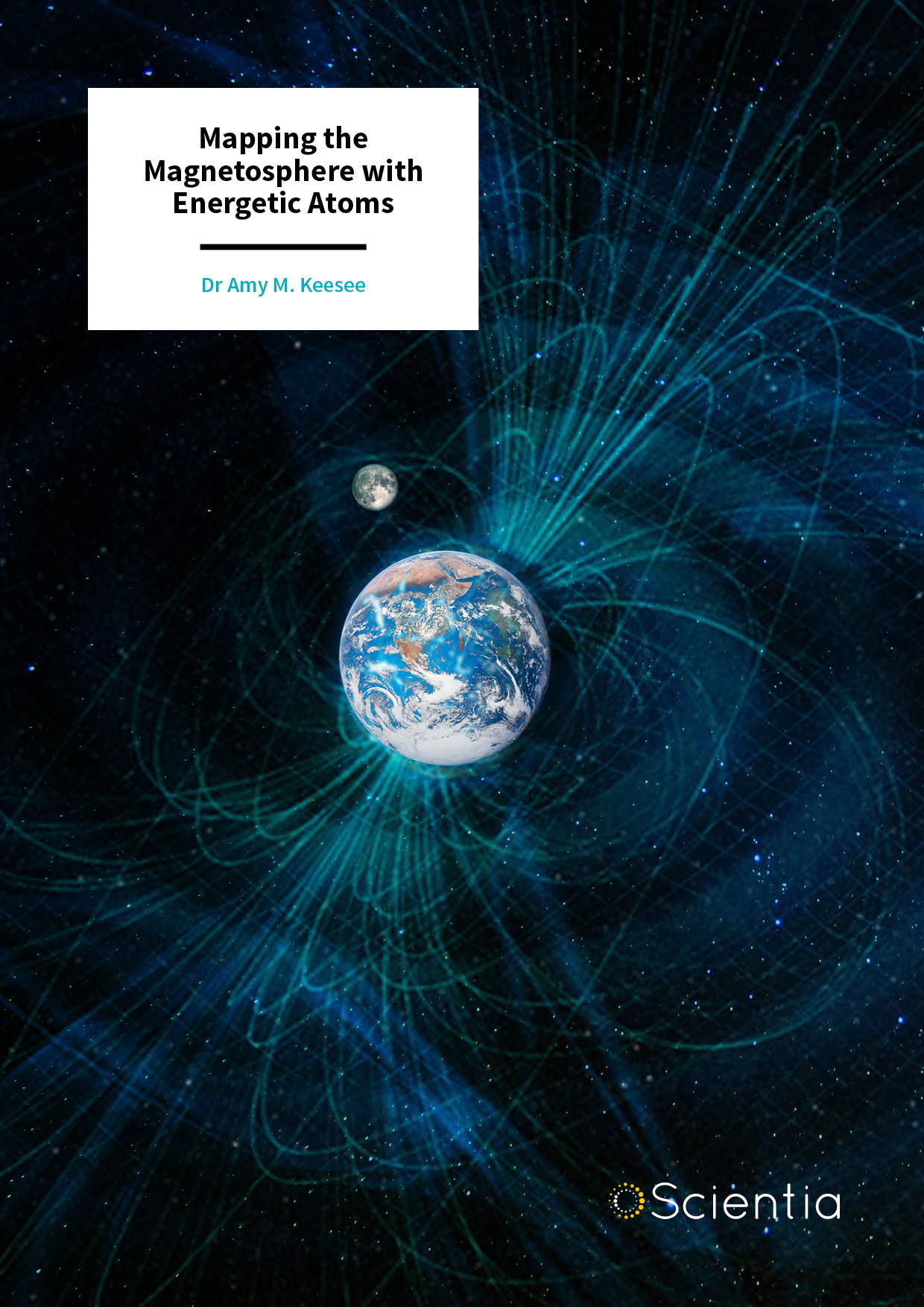
Dr Amy Keesee | Mapping the Magnetosphere with Energetic Atoms
When Earth’s magnetic field is struck by violent geomagnetic storms, narrow streams of fast-moving ions can form, which pose serious threats to vital satellite systems. Through her research, Dr Amy Keesee at the University of New Hampshire is shedding new light on how these streams originate, by picking up the energetic neutral atoms they occasionally generate. Her team’s work has proved that these atoms can be used to build reliable temperature maps of the magnetosphere – the region around Earth dominated by the planet’s magnetic field. Such temperature maps can help us to better predict when satellite systems may be under threat.
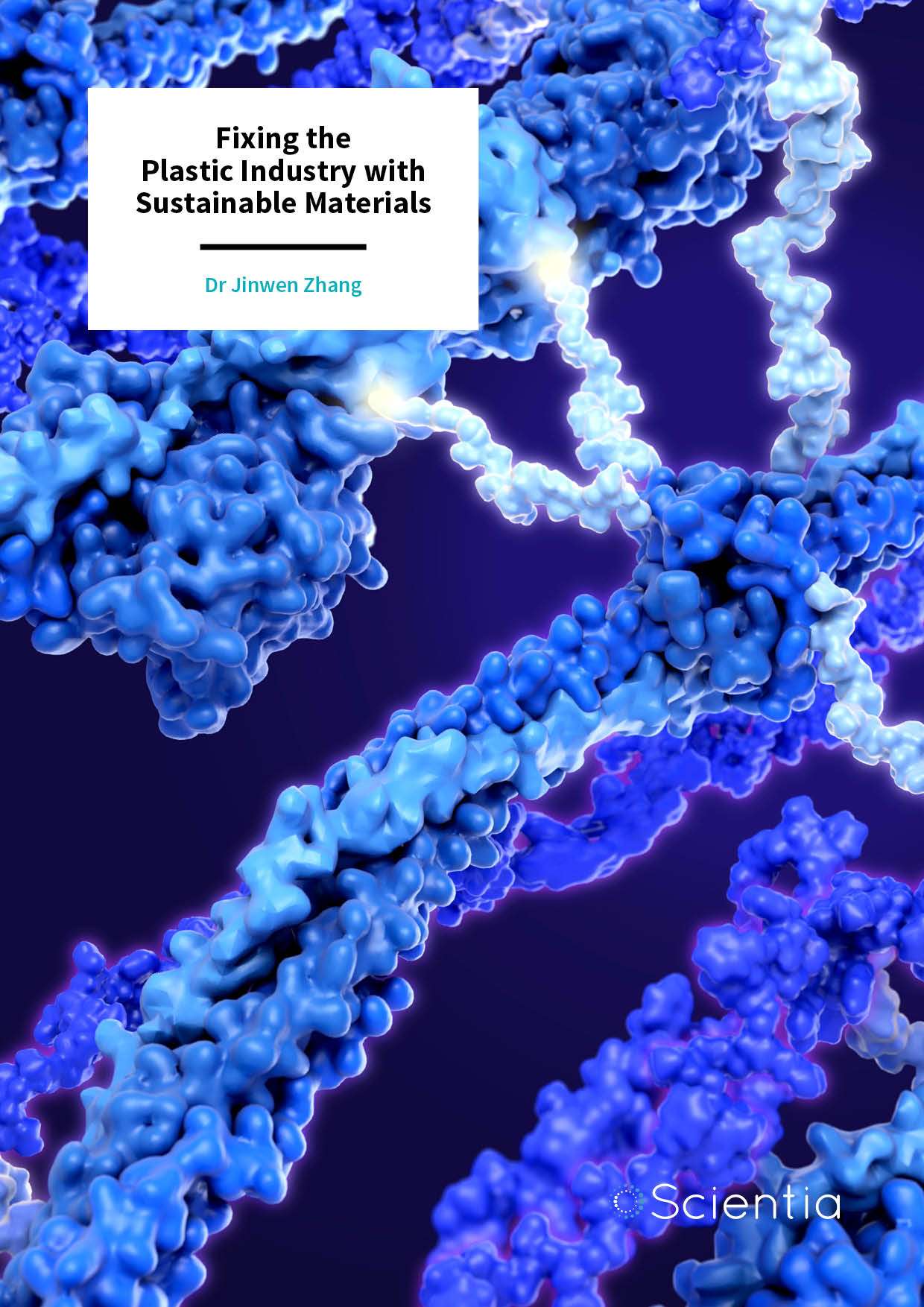
Dr Jinwen Zhang | Fixing the Plastic Industry with Sustainable Materials
A combination of dwindling oil reserves and increasing pollution means that the plastic industry must be urgently transformed before it’s too late. The efforts of researchers, including Dr Jinwen Zhang and his colleagues at Washington State University, mean that solutions are becoming increasingly available. Through the development of malleable and self-healable plastics, created from both existing petrochemical and renewable chemical feedstocks, Dr Zhang’s team is creating stronger, more resilient plastics that can be easily recycled.
Professor Henning Schmidt | DESIREE: Recreating Interactions Between Ions
Interactions between positive and negative ions are important processes in nature. However, there is a lack of experimental facilities designed to study them in detail. This picture could now be changing thanks to DESIREE: a facility where different ion beams can be stored and cooled for extensive periods within separate rings, before colliding with each other. Run by an extensive team of physicists at Stockholm University, the instrument is shedding new light on how ions interact in a wide range of environments – from dynamic stellar atmospheres, to interstellar space.

Dr Martín Medina-Elizalde | Collapse of the Ancient Maya Civilisation: Aligning History with Geological Analysis
Between 800 and 1000 CE, one of the world’s most advanced ancient civilisations underwent a devastating decline. The collapse of ancient Maya society has widely been attributed to a century-long drought; but so far, there have been few efforts to quantify this event, or to equate scientific findings with historical sources. Through new geological and paleoclimatological analyses, Dr Martín Medina-Elizalde at the University of Massachusetts, Amherst has revealed that the climate changes experienced during the drought followed more complex patterns than previously thought. His team’s discoveries could have important implications for predicting our own society’s future.
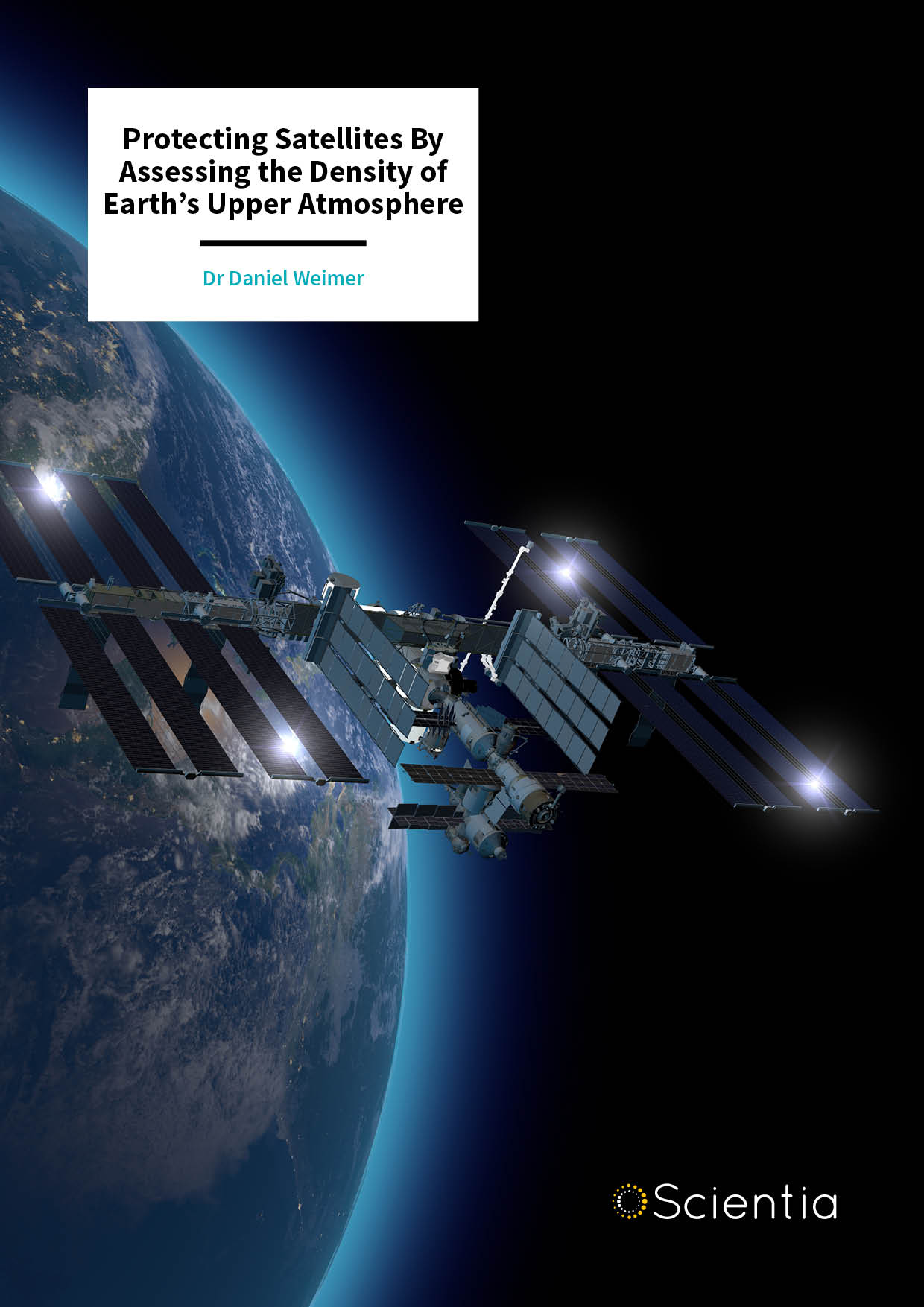
Dr Daniel Weimer | Protecting Satellites By Assessing the Density of Earth’s Upper Atmosphere
Earth’s upper atmosphere is home to a growing number of satellites. To prevent these valuable instruments from colliding with one another, operators often require accurate information about how the orbits of these satellites are affected by drag. However, due to the Sun’s continually changing activity, the density of air found in this region can vary drastically, making it difficult for operators to calculate how adjustments should be made. Using a combination of modelling approaches, a team led by Dr Daniel Weimer at Virginia Tech shows how air density throughout the upper atmosphere can be precisely calculated, over a wide range of timescales.
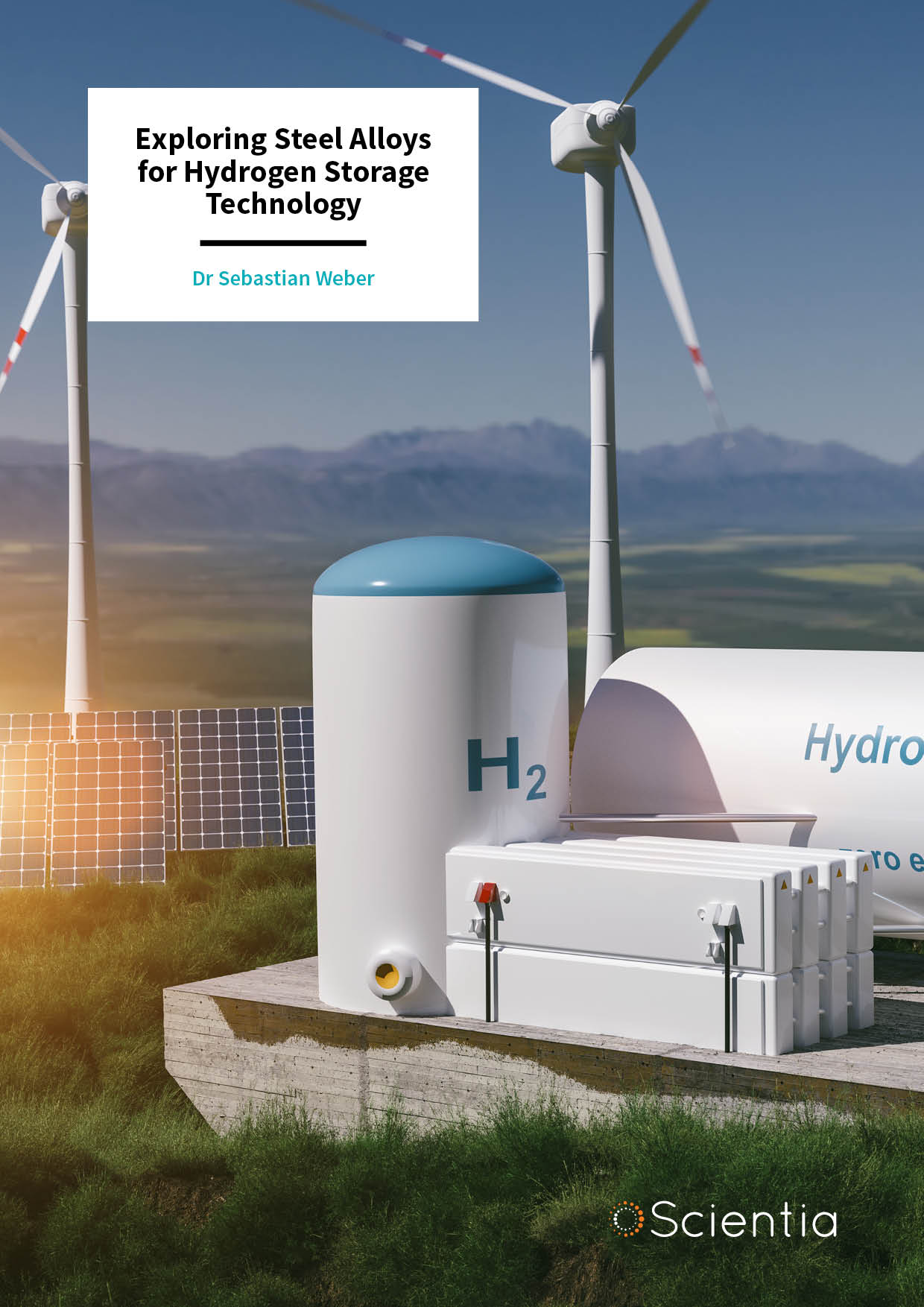
Dr Sebastian Weber – Exploring Steel Alloys for Hydrogen Storage Technology
Hydrogen fuel presents a promising route towards a carbon-free energy source for vehicles – but the technology still faces challenges relating to storage. Dr Sebastian Weber at Ruhr University Bochum, alongside collaborators Dr Gero Egels, Dr Robert Fussik and Dr Mauro Martin, studies the capabilities and limitations of specialised steel alloys for heavily stressed components in high-pressure hydrogen storage systems. Using a combination of simulations and analytical techniques, the team aims to provide a detailed picture of how the atomic-scale structures of these materials relate to their brittleness when exposed to hydrogen. Their discoveries could eventually lead to the development of new materials, which can be used as high-performing components in hydrogen storage systems.

Dr Badih Assaf | Dr Xinyu Liu – Building Topological Superconductors for Quantum Computers
Despite the numerous opportunities presented by quantum computers, their practical use has so far been hindered by their vulnerability to the surrounding environments. Dr Badih Assaf, Dr Xinyu Liu and their colleagues at the University of Notre Dame, Indiana, show how these problems could be overcome, through the use of an exotic class of hybridised materials named ‘topological superconductors’. Through the optimised fabrication of these materials, and a detailed analysis of their quantum properties, the team’s results could pave the way for the widespread use of topological superconductors in robust and practical quantum computers.
Professor Valerii Vinokur | Professor Anna Razumnaya | Professor Igor Lukyanchuk – Reinventing the Capacitor: The Topological Route of Electricity
Modern microelectronics is currently facing a profound challenge. The demand for even smaller and more closely packed electronics has hit a stumbling block: the power emitted in these devices releases more heat than can be efficiently removed. Now, Professors Valerii Vinokur, Anna Razumnaya, and Igor Lukyanchuk propose a solution based on the seemingly counterintuitive phenomenon of ‘negative capacitance’. The effect is surprisingly linked to an intriguing topological structure, which is found time and again across a broad range of scientific fields.
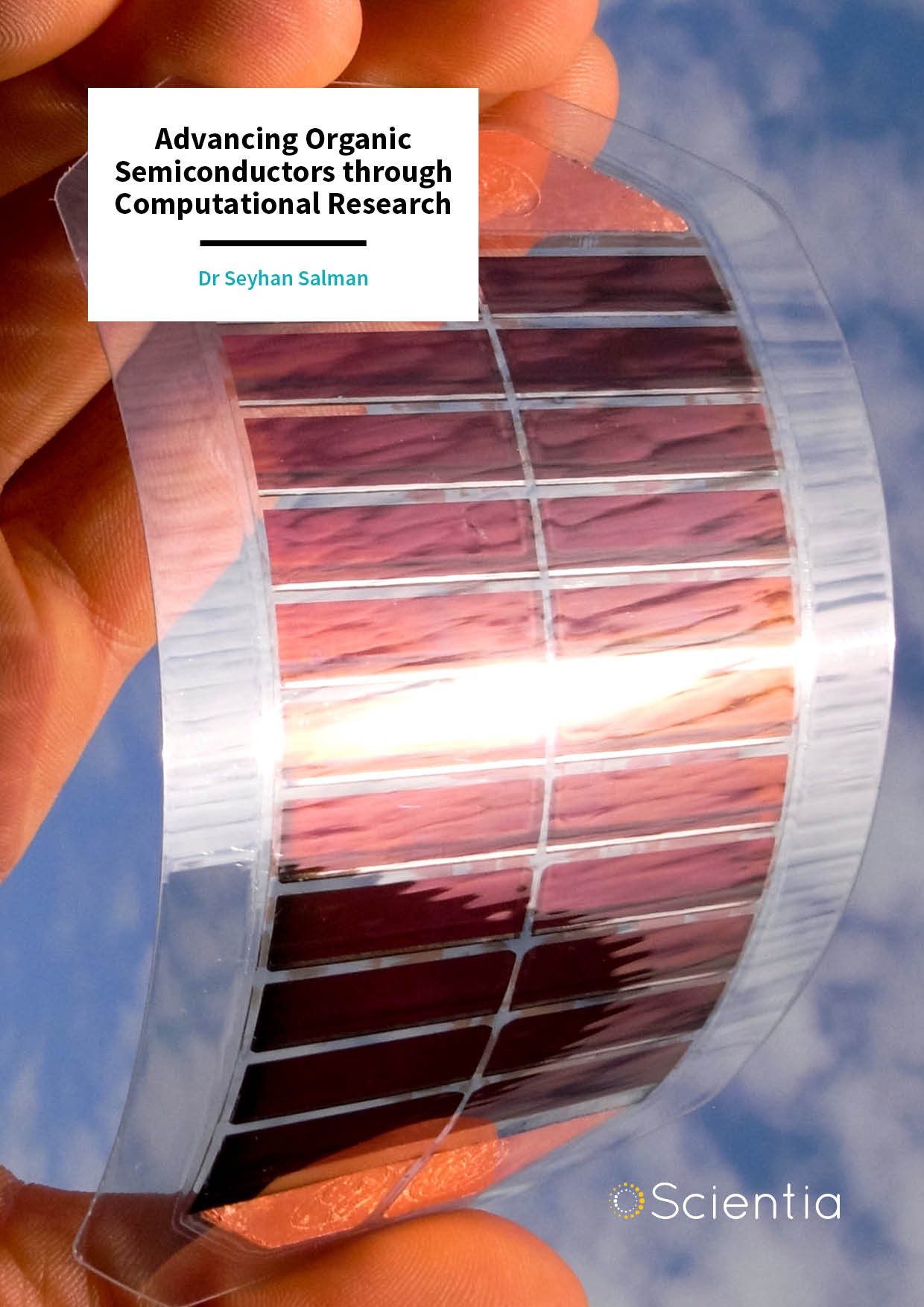
Dr Seyhan Salman – Advancing Organic Semiconductors through Computational Research
Organic semiconductors form the cornerstone of modern technologies, powering the screens we use in many of our digital devices. On top of this, they are also key materials in organic solar cells and medical biosensing devices, amongst other innovative applications. Dr Seyhan Salman and her colleagues at the Clark Atlanta University have been investigating organic semiconductors using advanced computational methods. Through this, her team hopes to pave the way to developing even more impressive technologies, which will benefit society in myriad ways.
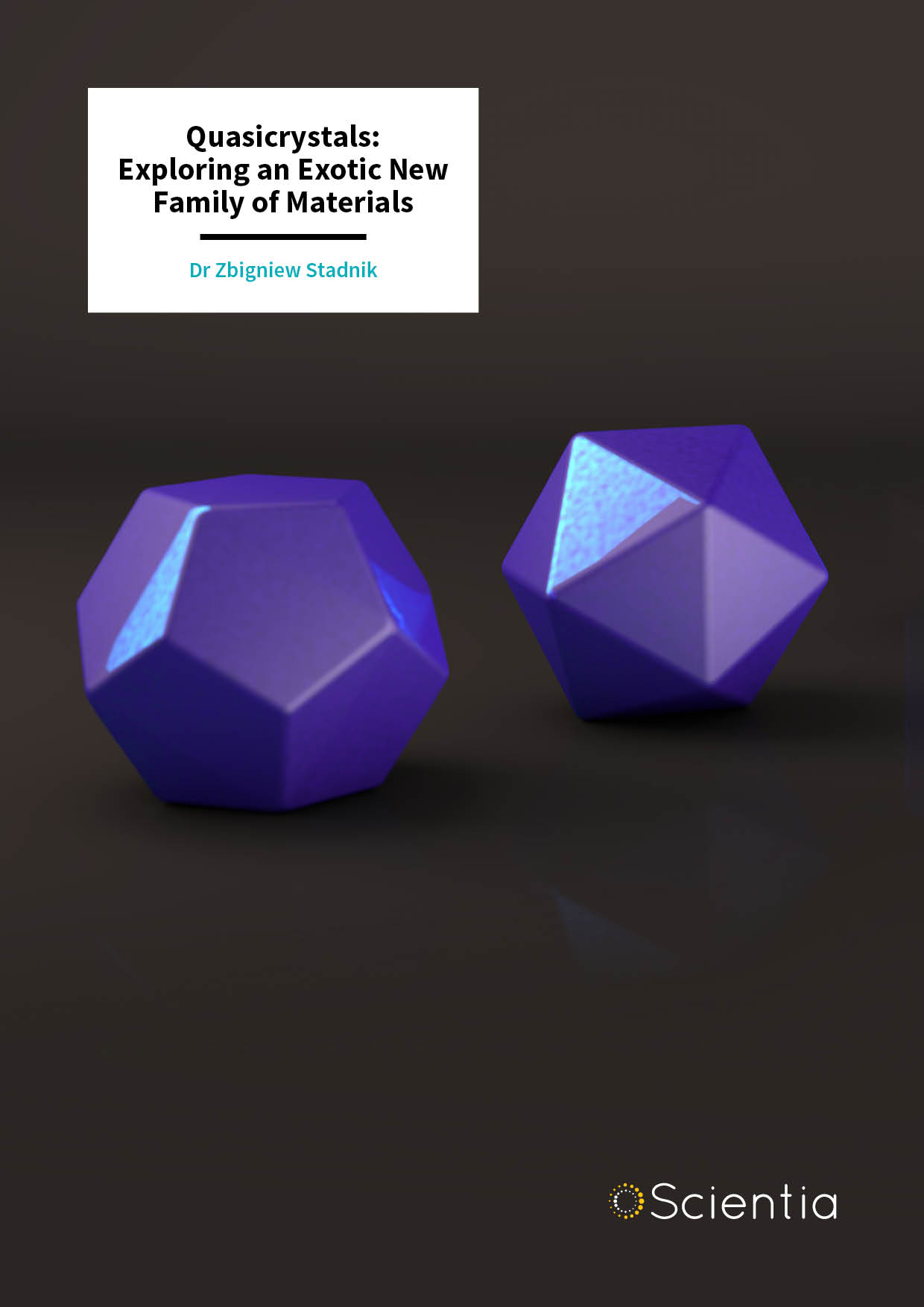
Dr Zbigniew Stadnik – Quasicrystals: Exploring an Exotic New Family of Materials
Quasicrystals are among the newest and most exciting discoveries in the wider field of materials physics – but to date, many aspects of their exotic physical properties remain entirely unexplored. Since soon after their initial discovery, Dr Zbigniew Stadnik at the University of Ottawa has made important contributions to our understanding of quasicrystals, including their magnetic and electronic characteristics. Building on his decades of experience in the field, he now hopes to gain a complete understanding of the fundamental properties of these materials – potentially opening up a broad new range of real-world applications.
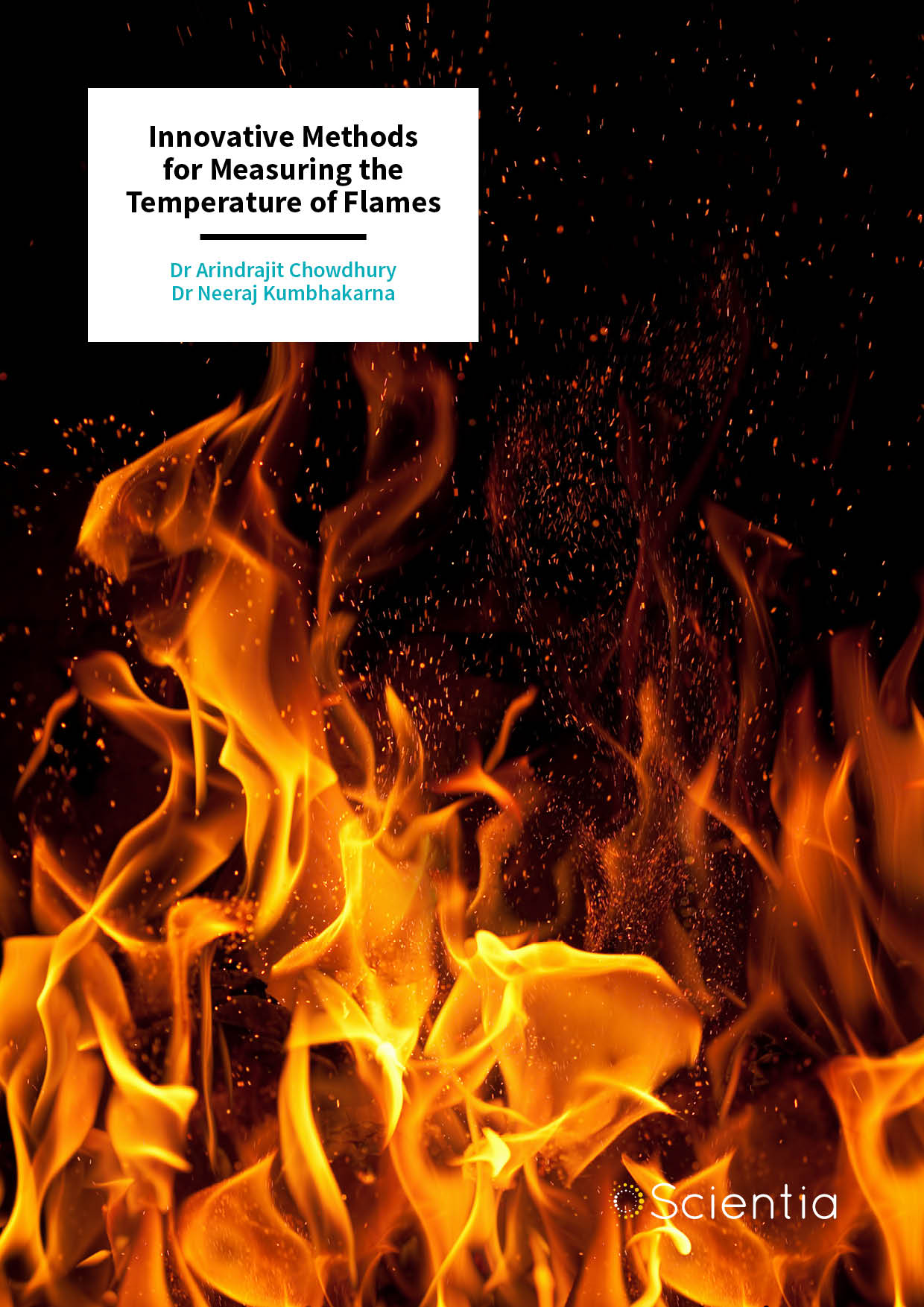
Dr Arindrajit Chowdhury | Dr Neeraj Kumbhakarna – Innovative Methods for Measuring the Temperature of Flames
While it may seem a simple task, being able to accurately measure the temperature of fire has been of interest to scientists for many years. If accurate methods were readily available, it would allow individuals and businesses to have much greater control over combustion, improving how we use fuel and reducing carbon emissions. Dr Arindrajit Chowdhury and Dr Neeraj Kumbhakarna at the Indian Institute of Technology Bombay have been developing ideal methods for measuring the temperature of flames, and creating solutions to facilitate their widespread use.
Dr Yasuo Koide – Engineering the Path to New Semiconductors
As fundamental components of our electronic and optical devices, semiconductors are essential to our modern way of life. Dr Yasuo Koide of the National Institute for Material Science in Japan has an extensive history of researching and developing these unique materials. Alongside his colleagues, Dr Koide continues to break through the boundaries of our existing knowledge to create new and exciting technologies.

Mitchell Schneider – Higher-quality Sources for Electron Accelerators
The ability to produce high-quality beams of fast-moving electrons is crucial, both to everyday technologies and scientific experiments. Today, there is a growing need for electron sources that can better meet the stringent demands of these applications. Michigan State University graduate student Mitchell Schneider, together with colleagues at Argonne National Laboratory and Los Alamos National Laboratory, has now made significant strides towards meeting these demands. Drawing from the latest advances in materials science, nanotechnology, and computational modelling, his team has now demonstrated some of the most advanced electron sources ever developed.
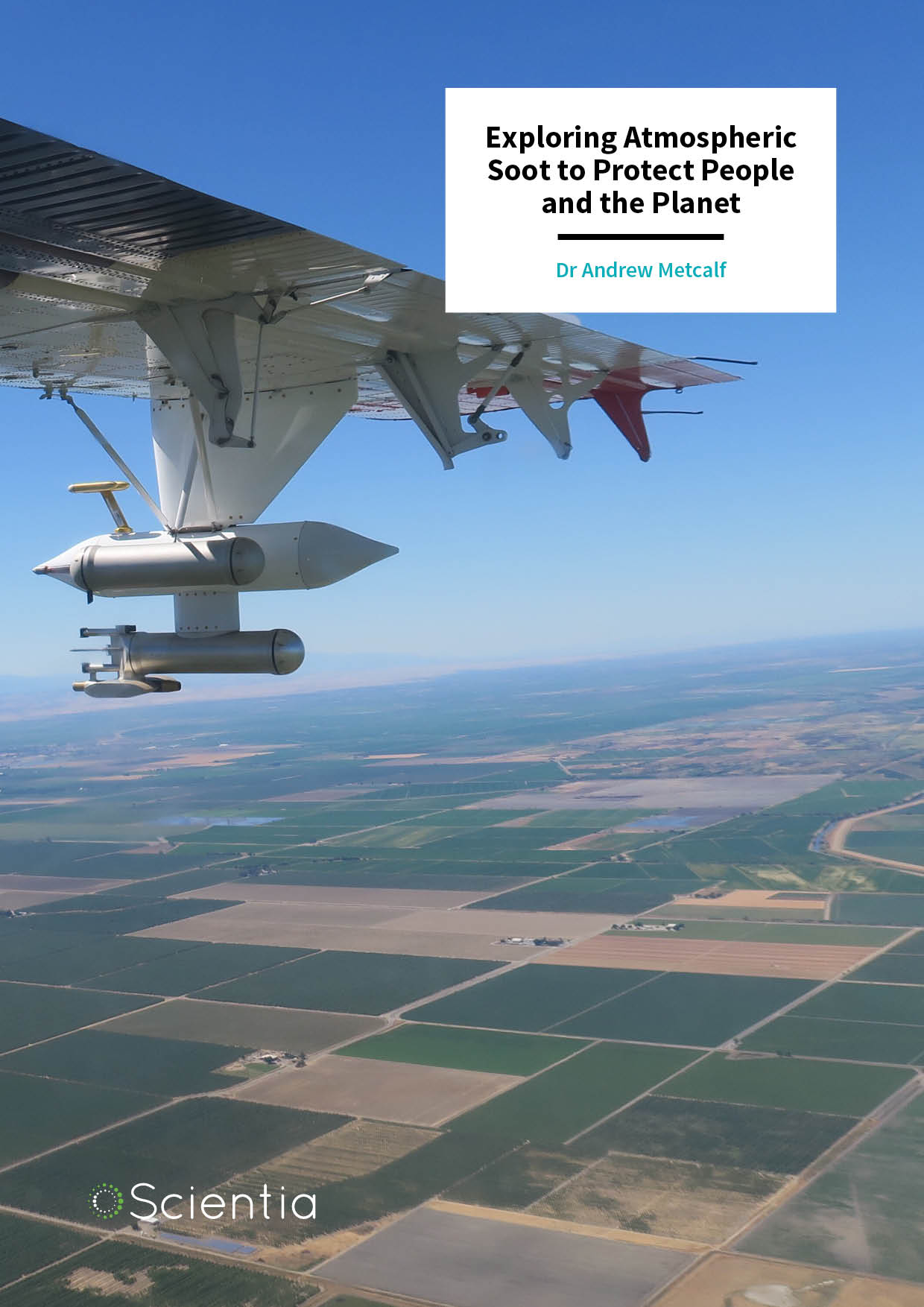
Dr Andrew Metcalf – Exploring Atmospheric Soot to Protect People and the Planet
From wildfires to cargo ships, soot particles can originate from many different sources. Once emitted, these particles can be easily spread throughout Earth’s atmosphere. Dr Andrew Metcalf at Clemson University, and his graduate students Nilima Sarwar and Walt Williams, use advanced aircraft observations to investigate how the diverse characteristics of soot can be influenced by their sources, and assess their subsequent influence on air quality and cloud formation. Their work is now helping researchers to better predict the coming impacts of climate change, and to inform urgently-needed efforts to reduce our emissions.
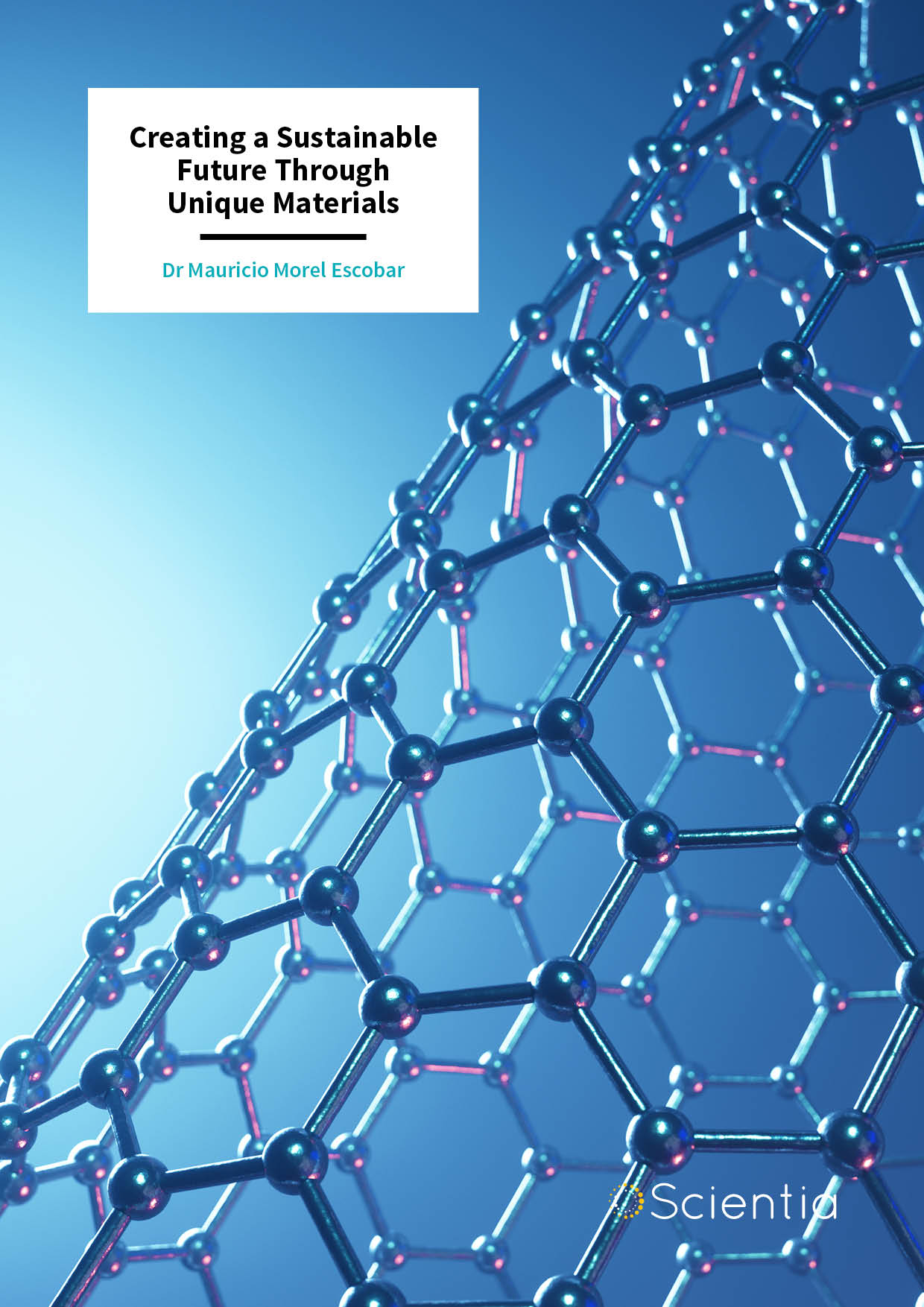
Dr Mauricio Morel Escobar – Creating a Sustainable Future Through Unique Materials
The process of inventing new and exciting technologies often begins with the development of unique and novel materials. The road to creating a new material has many stages, ranging from how we acquire the raw components, to how they are processed, and how they are ultimately used. Dr Mauricio Morel Escobar and his team at the Universidad de Atacama, Chile, have been investigating the synthesis, properties and optimisation of materials, towards the development of clean, energy-efficient technologies and manufacturing methods. They are also working to address the energy crisis, by exploring how materials can be used to store sustainable fuels.
The African Astronomical Society
Launched in 2019, the African Astronomical Society (AfAS) is a diverse and inclusive Pan-African society of professional and amateur astronomers, which aims to create a globally competitive astronomy community in Africa. The mission of AfAS is to be the voice of astronomy on the continent and to address the challenges faced by Africa through the promotion and advancement of astronomy. In this exclusive interview, we speak with the Society’s president, Dr Jamal Mimouni, who discusses astronomical achievements in Africa and how AfAS supports and advances astronomy research and education across the entire continent.

Professor Lijun Wang – Developing Transportable and High-performance Atomic Clocks
By measuring the frequencies emitted as atoms transition between energy levels, atomic clocks are among the most advanced devices available for keeping time. In his research, Professor Lijun Wang at Tsinghua University, Beijing, explores how the stringent requirements for these devices can be met using easily transportable apparatus. By combining the latest technological advances in ion trapping, laser cooling, and magnetic shielding, his team has now achieved a design that far exceeds the performance of existing transportable clocks – potentially leading to new capabilities for both high-speed scientific measurements, precision time-keeping, and applications in satellite-based navigation.
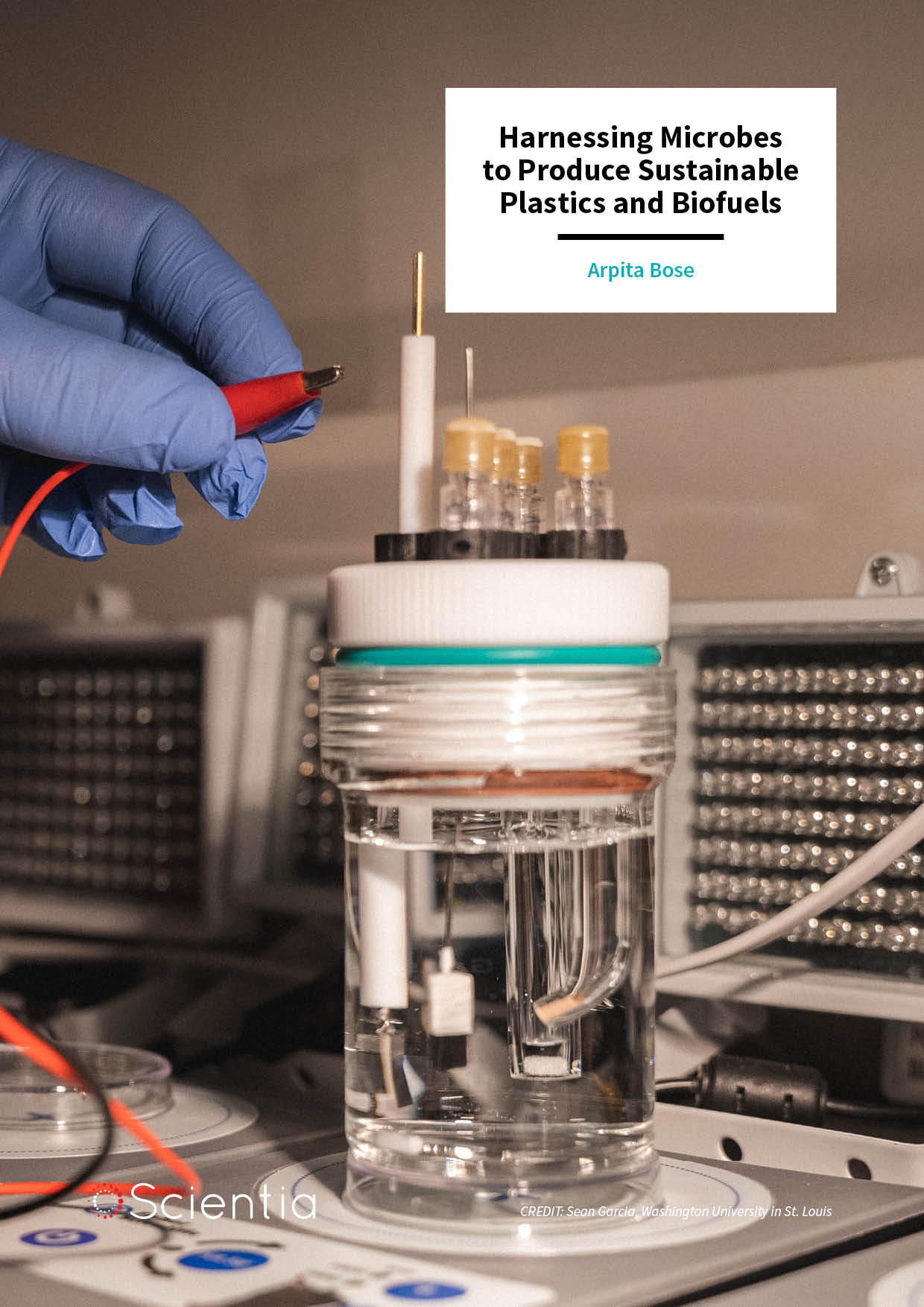
Dr Arpita Bose – Harnessing Microbes to Produce Sustainable Plastics and Biofuels
Before oxygen was widely available in Earth’s atmosphere, ancient microbes looked to other elements to obtain electrons for photosynthesis. Some of these microbes are called ‘photoferroautotrophs’ – which can take up electrons from iron available in their surrounding environment and use them to transform carbon dioxide (CO2) into biomolecules. In their research, Dr Arpita Bose and her team at Washington University in St Louis, explore the mechanisms these microbes exploit to produce biomolecules, using the electrons they take in. Their discoveries are leading to sustainable new ways to produce both plastic and fuel – and could soon prove to reduce our reliance on the compounds derived from crude oil.
Dr Jianmei Lu | Dr Quan Li – Shedding New Light on Smart Organic Materials
Organic materials that can emit light in response to certain stimuli hold great promise for numerous real-world applications. So far, however, their diminished performance on exposure to water has presented numerous challenges. In their research, Dr Jianmei Lu at Soochow University and Dr Quan Li at Southeast University present a new series of compounds that instead display improved light emission when they are transformed into ‘hydrated’ crystals. By assessing the mechanisms responsible for this unique behaviour, the researchers now present new routes towards the widespread use of smart organic materials.
Dr Guodong (David) Zhan | Timothy Eric Moellendick | Dr Duanwei He – Cutting-edge Technology: Developing the Hardest Material on Earth
Because of its extreme hardness, diamond is used as a cutting material in a multitude of fields, from aerospace engineering to geothermal energy. Using ultra-high pressures and temperatures, scientists have created a new form of diamond, which is now the hardest material known to humankind. Dr Guodong (David) Zhan and Timothy Eric Moellendick at Saudi Aramco, alongside Dr Duanwei He at Sichuan University, are the scientists behind this record-breaking substance, which will serve as an ‘indestructible’ cutting and drilling material.
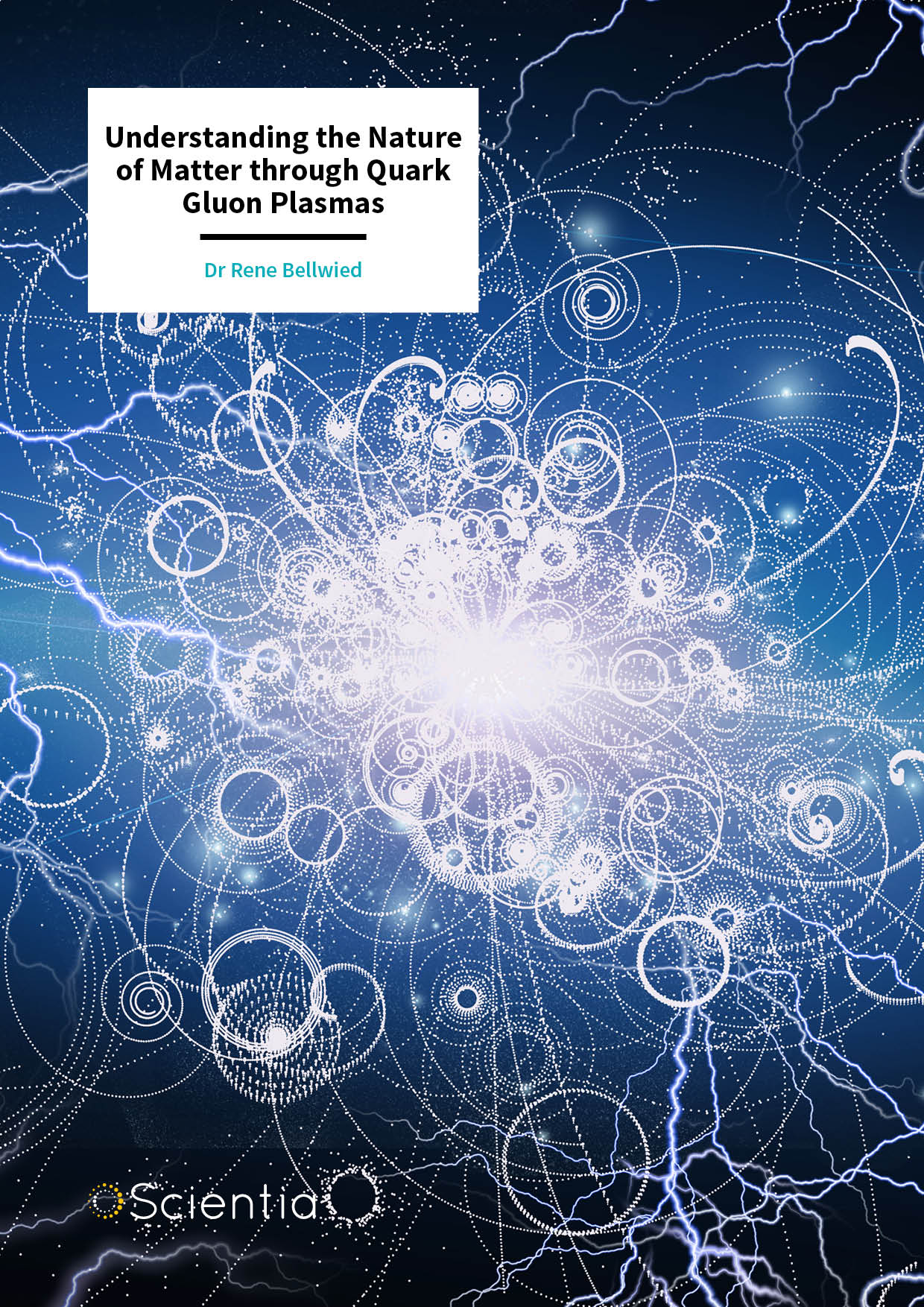
Dr Rene Bellwied – Understanding the Nature of Matter through Quark Gluon Plasmas
In the extreme environment of the primordial universe, fundamental particles that are now tightly bound into larger groups were, for the briefest moment, free to wander individually. Using the latest particle accelerator facilities, researchers today can recreate fluids of these particles, named ‘Quark Gluon Plasmas’, through high-energy collisions between heavy ions. In his research, Dr Rene Bellwied at the University of Houston uses results from these experiments to explore the fascinating dynamics of the plasmas, and the products that emerge in their aftermath. His team’s findings are now shedding new light on the enigmatic nature of matter itself.
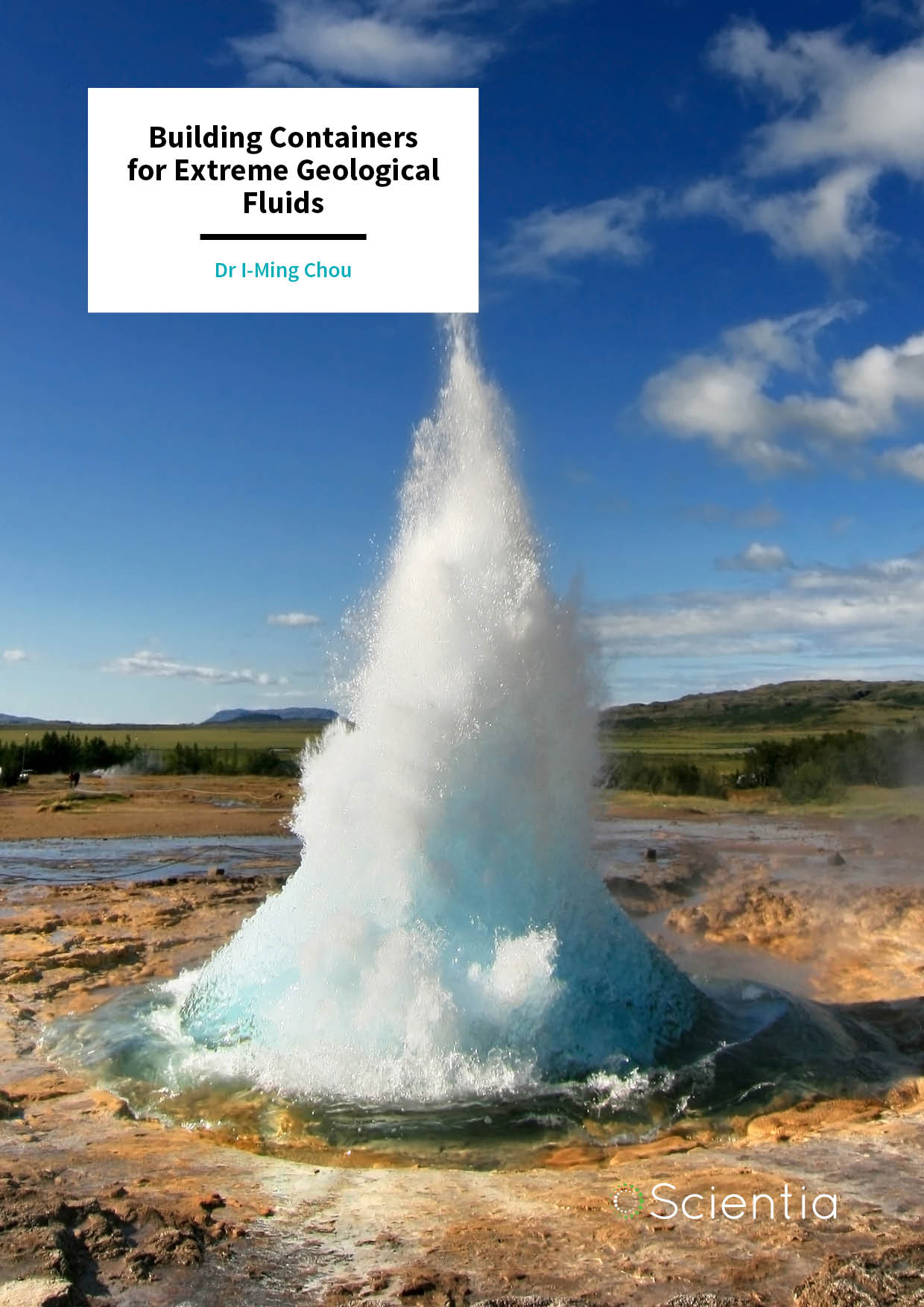
Dr I-Ming Chou – Building Containers for Extreme Geological Fluids
Earth’s crust plays host to many different fluids, which are often pressurised and heated to extreme degrees by the geological processes taking place around them. Harnessing his previous experience at the US Geological Survey, Dr I-Ming Chou at the Chinese Academy of Sciences designs vessels suitable for containing these fluids, while also enabling researchers to easily measure them in the lab using advanced optical techniques. Through their work, Dr Chou’s team has presented cutting-edge designs based on fused silica capillary tubes. Their designs could soon transform geologists’ understanding of the chemical processes taking place far below us.

SwarmMATE™: Swarming Drones for Real-world Missions
The idea of unmanned drones flying together in expansive swarms may at first sound chaotic and unpredictable – yet with the right approach, these machines can enable their users to carry out coordinated and highly advanced missions. Through their research, John Sauter and colleagues at SoarTech have developed DSOARS – a transformative software that enables drones to mimic the behaviours of swarming animals found in nature. Their architecture now paves the way for real-world applications – from tracking forest fires and storms to aiding rescue missions.

Dr Hiroaki Nishiyama – A New Solution for Direct Laser Writing
Direct Laser Writing is a remarkably useful way to deposit intricately patterned materials onto surfaces. So far, however, the range of materials that can be used in the technique has been severely restricted. Now, Dr Hiroaki Nishiyama and his team at Yamagata University in Japan introduce an entirely new approach based on the unique properties of nanoparticles when suspended in a silver-based solution. When illuminated with ultra-short laser pulses, the setup can create highly stable patterns with sophisticated nanoscale structures – substantially broadening the range of materials available for use in the technique.
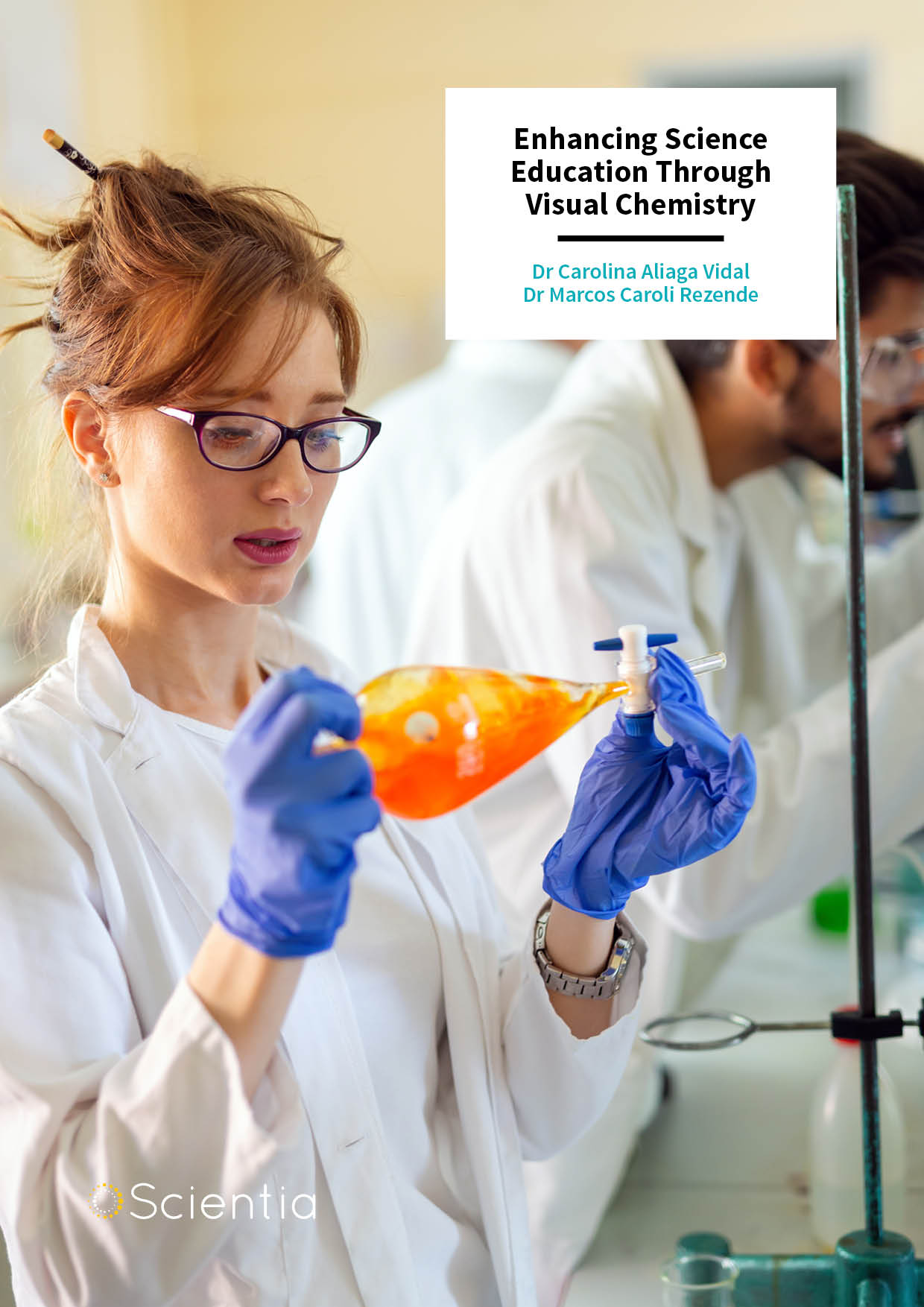
Dr Marcos Caroli Rezende | Dr Carolina Aliaga Vidal – Enhancing Science Education Through Visual Chemistry
Chemical scientists are vital to numerous important areas of society – from pharmaceutical drug development to solar energy conversion. To prepare for their future careers, it is critical for chemistry students to gain a deep understanding of complex molecular processes. However, chemistry is full of abstract concepts that can be difficult to grasp, causing many students to fall behind. To address this issue, Dr Marcos Caroli Rezende and Dr Carolina Aliaga Vidal at Universidad de Santiago de Chile have been developing visual learning methods to improve the quality of chemistry education, and ensure better outcomes for all students. In their recent work, they have focused on helping students to visualise a complex chemical process known as phase-transfer catalysis.
Professor Masahito Oh-e – Intriguing Molecular Discoveries in Display Materials
It is a widely-accepted scientific fact that the motions of molecules increase as their temperature rises. However, Dr Masahito Oh-eat the National Tsing Hua University in Taiwan has recently made a counterintuitive discovery in an organic semiconductor called ‘CADN’. Within a thin film of this material, his team has found that the motion of one part of the CADN molecule increases, while another part becomes more ordered as the temperature increases and approaches the material’s phase transition. This research is scientifically intriguing, but also has profound implications for improving display technologies based on organic semiconductor materials.

Professor László Forró – Perovskite-based Sensors: Detecting Energetic Photons with Extreme Sensitivity
Organo-metallic perovskite crystals are widely known for their ability to boost the performance of solar cells, with efficiencies reaching 25% and beyond. This is because photons of light can mobilise electrons in these materials with very high efficiency. Professor László Forró and his team at Ecole Polytechnique Fédérale de Lausanne have realised that this same ability could be harnessed in the development of high-performance sensors that detect photons of various energies. By integrating perovskite with graphene or carbon nanotubes, the team’s detectors show outstanding sensitivity, with the ability to detect single photons. Their technologies are leading to new applications ranging from more sensitive medical diagnostics, to safer nuclear reactors.
Rydberg Atoms: Giants of the Atomic World
The creation of giant atoms whose size is comparable to that of a grain of sand might sound like the stuff of science fiction, but in fact such species exist in nature and can now be created in the laboratory using advanced laser systems. Such exotic atoms, in which one electron is placed in a highly-energetic state, are termed Rydberg atoms, after the Swedish spectroscopist J. R. Rydberg who first characterised their properties. As might be expected, such extreme atoms possess very unusual physical and chemical properties. Their study has provided many new insights into the properties of Rydberg atoms themselves, their interactions with other atoms and molecules, and phenomena that arise from their collective interactions. The extreme properties of Rydberg atoms now enable emerging technological applications in sensing and quantum computation.
Advancing Quantum Computing to Accelerate Scientific Research
Over the past few years, the capabilities of quantum computers have reached the stage where they can be used to pursue research with widespread technological impact. Through their research, the Q4Q team at the University of Southern California, University of North Texas, and Central Michigan University, explores how software and algorithms designed for the latest quantum computing technologies can be adapted to suit the needs of applied sciences. In a collaborative project, the Q4Q team sets out a roadmap for bringing accessible, user-friendly quantum computing into fields ranging from materials science, to pharmaceutical drug development.
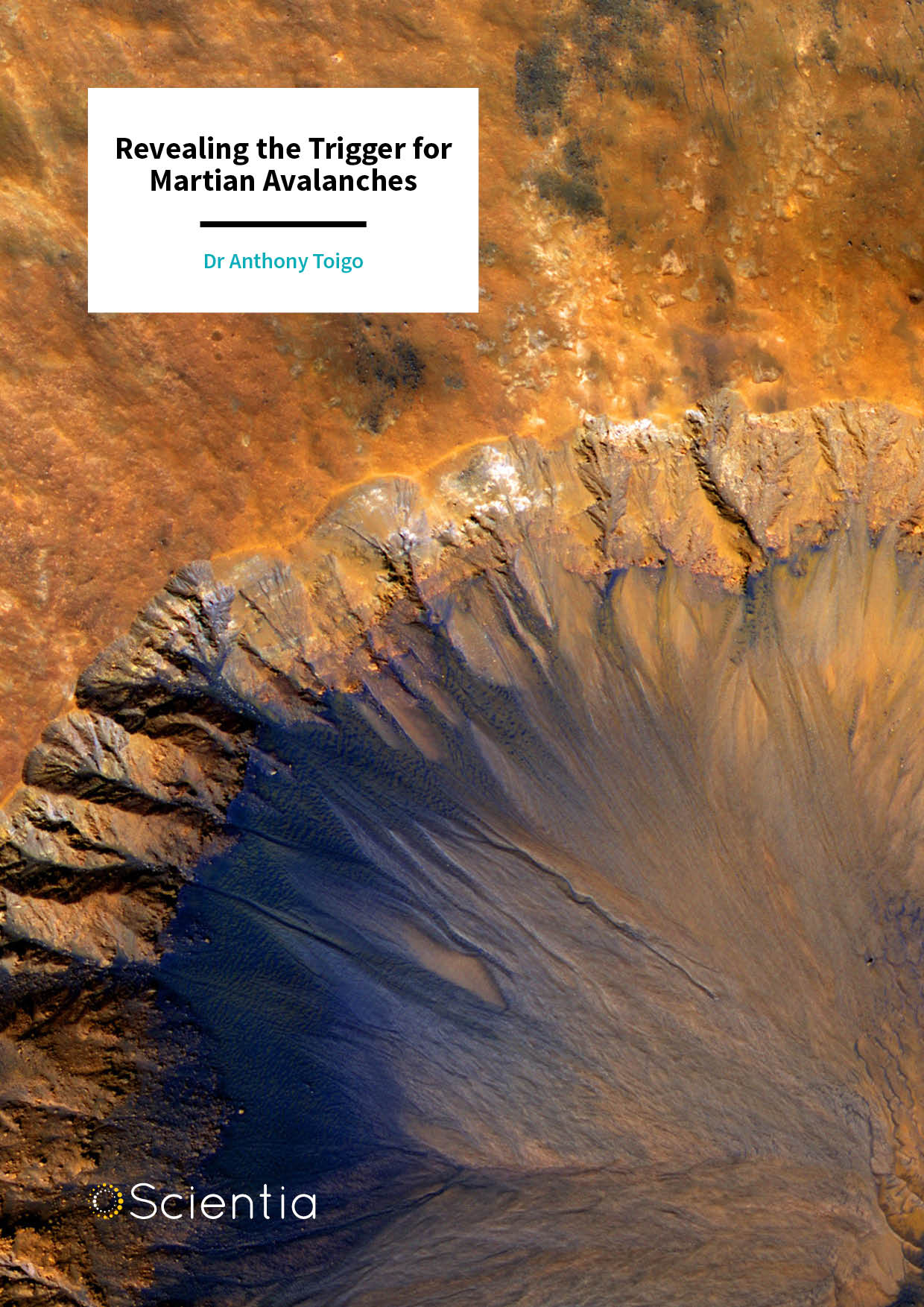
Dr Anthony Toigo – Revealing the Trigger for Martian Avalanches
For years, scientists have been puzzled by the appearance of dark streaks appearing on Martian hillsides. The linear features look like water flows – and if water is present, they could be harbouring life on Mars. However, the freezing conditions on Mars mean that liquid water flows are unlikely. Previous theories suggest the flows could be dust avalanches, but this doesn’t explain why they only appear in the Martian summer. Dr Anthony Toigo and his colleagues at Johns Hopkins University Applied Physics Laboratory, NASA Goddard Space Flight Center, and the University of Colorado – Boulder, have modelled weather conditions near the Martian surface and recreated the Martian atmosphere in a laboratory. By doing so, they could examine how Martian dust and surface soils respond to the changing seasons on the red planet.
Dr Alexis Gilbert – Tracing the History of Naturally Occurring Molecules
Understanding the history of molecules is invaluable in numerous applications, such as food authentication and identifying the source of natural gas. Based at the Tokyo Institute of Technology in Japan, Dr Alexis Gilbert and his team are developing analytical tools that can be used to reveal the origin and history of molecules. Their work has already been applied to several areas, including the detection of fake alcohol and environmental research.